This article contains affiliate links: if you buy through them we may earn a commission, at no extra cost to you. Read our affiliate disclosure.
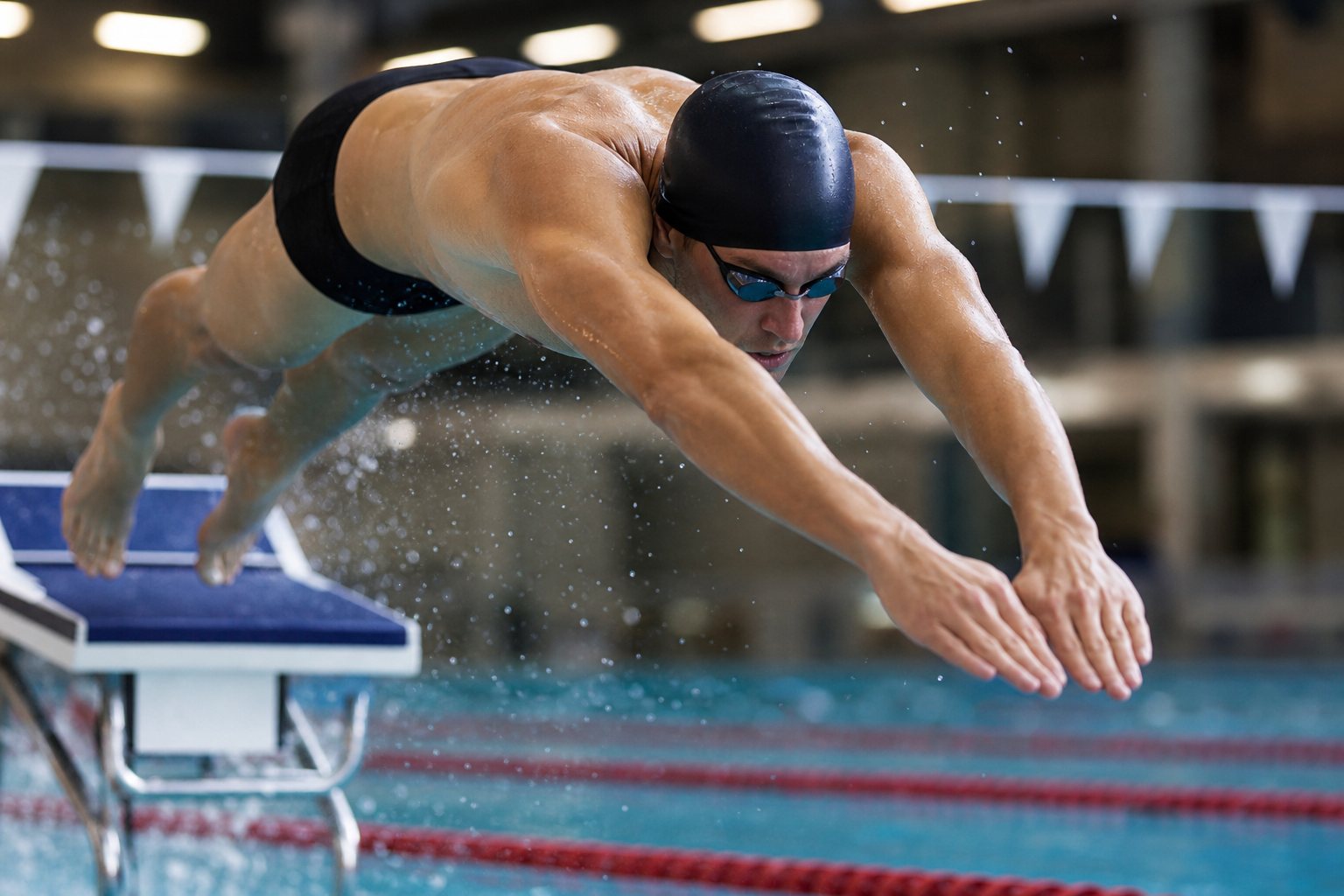
A swimmer pulls her kit bag onto the pool deck, and out comes a bit of everything: a nose clip, a suit with a repaired strap, a bottle, ear plugs in a small case and, after practice, slides and a roller for tight shoulders. Artistic swimming gear is simpler than many sports, because most of what matters is regulated or personal. This page covers what matters, what to check and which items are comfort and care rather than performance.
Quick answer: Competition suits, caps, nose clips and make-up are covered by the rulebook and club requirements, so ask your coach and read the current rules before buying anything. Useful care items are ear plugs for swimmers prone to swimmer’s ear, a reusable water bottle and after-practice comfort tools. The CDC advises keeping ears dry and seeing a provider for ear pain or drainage. We found no safety standard for artistic swimming accessories, so be wary of maker claims.
Competition suits and what the rules say
We did not research the current suit, cap, nose clip or hair rules, so we do not state them. World Aquatics publishes the artistic swimming manual (February 2026 edition, per search results) and USA Artistic Swimming links its rulebook; the coach and the technical officials of your event are the reference for what is allowed. Ask your club what it uses before buying a suit, because teams usually order matching team and routine suits through the club. See skills, rules and getting started for how to find the rulebooks.
Nose clips, caps and hair
General practice, no standard found. Nose clips are widely used in the sport, and swimmers usually try a few styles for comfort and hold. Hair is commonly secured for routines. Because these items are not safety equipment, fit matters for comfort and keeping them on, not for protection. A nose clip that pinches or causes headaches or skin irritation is worth replacing, and anything that slips mid-routine is a distraction.
Ears, eyes and skin care
The CDC says to keep ears dry with a bathing cap, ear plugs or custom-fitted swim molds, to tilt each ear down and towel-dry, to ask a provider before using drying drops and to avoid sticking objects into the ear canal. It lists ear pain, itching, redness, swelling and drainage as signs for a provider visit. Chloramines in pool water can irritate eyes, and the CDC suggests showering with soap before swimming to help. Mack’s says its AquaBlock plugs are the official ear plugs of USA Swimming; that is a maker statement we have not independently checked, and ear plugs are for comfort and prevention, not treatment. Whether plugs are allowed during routines is a question for your coach and the rulebook.
Pool-deck and after-practice items
- Water bottle. Keep fluids on deck; see nutrition and athlete health. A plain reusable bottle is fine.
- Foam roller. Many athletes use one for lats and upper back after practice. Evidence for rollers specifically is limited; see recovery and mobility.
- Slides. Recovery slides keep feet comfortable on a wet deck and between sessions; the APMA Seal of Acceptance is a podiatry-association seal for the product.
Inspection and care (general practice)
General practice. Before each season and before big meets, check suits for worn fabric, loose straps and seams that chafe, and keep a spare suit and spare nose clip in the bag. Rinse suits and plugs in fresh water after practice, dry them away from direct heat and replace ear plugs that have gone stiff or lost their seal. Chlorine wears elastic over time, so do not wait for a suit to fail on deck.
How to judge claims
General checklist: separate what a rulebook or standards body verifies from what a maker says. A product that says it “prevents injury” has not been shown to do so by anything we found. Look for clear sizing, easy cleaning and a return policy, and ask your coach before buying anything that touches the routine. Our recovery tools guide and foam roller guide cover the care items in more depth.
Products we can point to
These items match ASINs recorded in our earlier research. They are care and comfort items, not performance gear, and none is required by a rulebook.

Mack's AquaBlock Swimming Ear Plugs
- Reusable silicone
- Triple flange
- Marketed as the official ear plugs of USA Swimming


TriggerPoint GRID 1.0 Foam Roller
- 13 x 5 inch
- Multi-density
- Hollow core keeps its shape
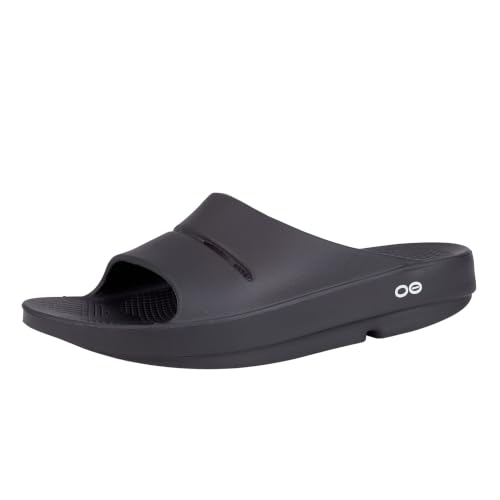
OOFOS OOahh Slide
- OOfoam slide
- APMA Seal of Acceptance
- Machine washable
Artistic swimming gear FAQs
What do I need to start?
Usually a swimsuit and a nose clip; ask your club about caps, goggles and hair before buying, because it varies by club.
Can I wear ear plugs in routines?
Ask your coach and check the rulebook. We did not research that rule, and we do not state it.
How do I keep swimmer’s ear away?
The CDC says to keep ears dry, tilt and towel-dry, consider a bathing cap, ear plugs or swim molds, and see a provider for ear pain or drainage.
Is there a safety standard for nose clips?
We found none. Choose for comfort and fit, and replace any that cause pain or irritation.
Do recovery tools help?
They are for comfort. A 2018 meta-analysis found massage best for soreness and fatigue; our recovery and mobility page explains the evidence.
General information for education only, not medical advice. It does not replace a sports medicine doctor, physical therapist, athletic trainer or registered dietitian who knows the athlete. See our editorial policy for how we research and write.
Sources
- CDC, preventing swimmer’s ear; preventing eye irritation from pool chemicals.
- World Aquatics, Artistic Swimming Manual, February 2026; USA Artistic Swimming, Rulebook.
- Product listings: Mack’s AquaBlock, Nalgene Sustain 32 oz, TriggerPoint GRID 1.0, OOFOS OOahh (ASINs from earlier verified research).
- Dupuy et al. 2018, recovery techniques meta-analysis.