This article contains affiliate links: if you buy through them we may earn a commission, at no extra cost to you. Read our affiliate disclosure.
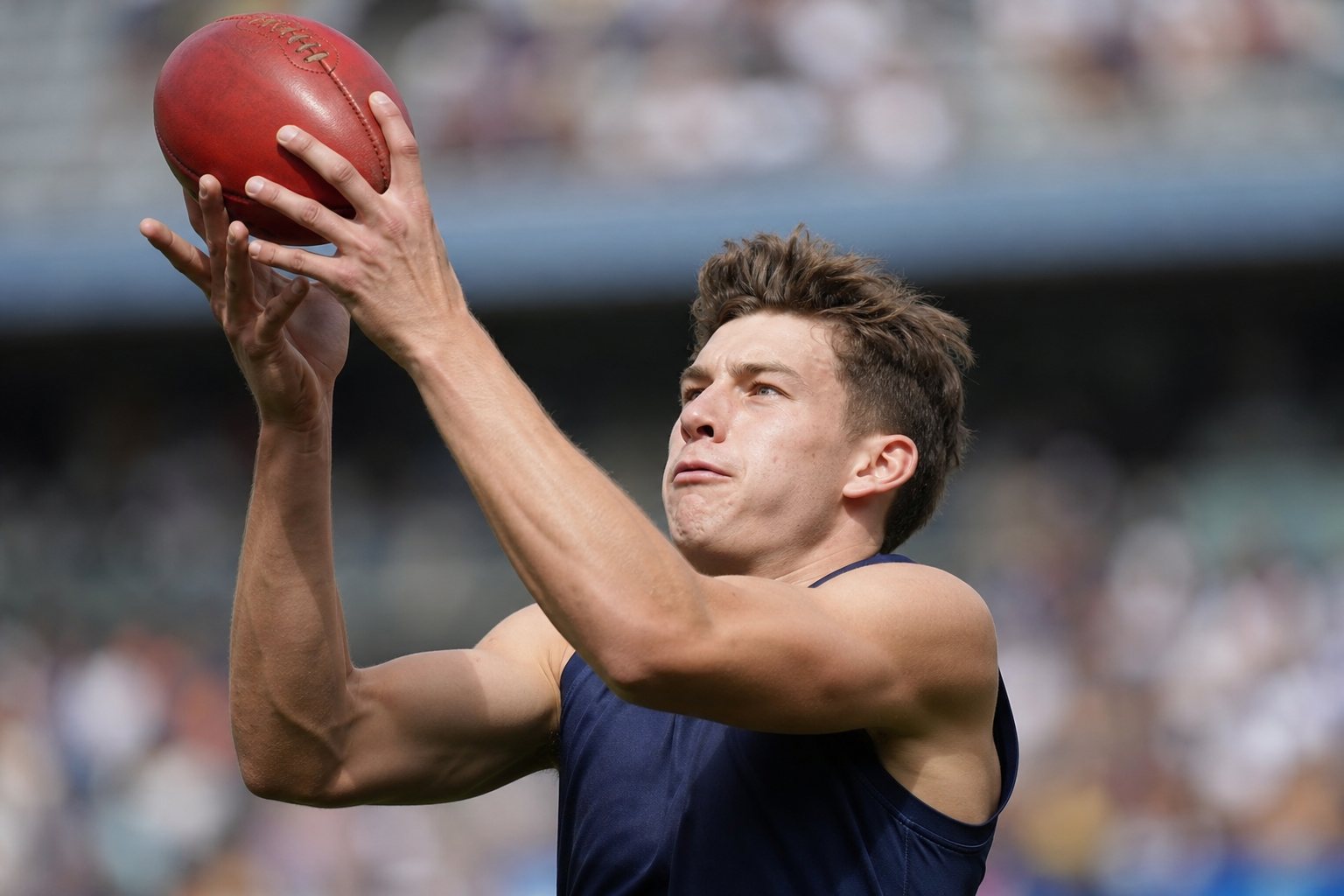
Before a junior match, a parent kneels on the sideline, checking a boy’s mouthguard sits snugly and his boot laces are tight, while the umpire walks the line looking at hands and boots. Footy needs less gear than most contact sports, which makes the few pieces that matter worth getting right. Australian rules football gear is mainly a mouthguard, boots that fit, a ball of the right size, and, for some players, ankle support or approved headgear. This page separates what the rules and the AFL say from what makers claim.
Quick answer: A mouthguard is the one item the AFL strongly recommends for all contact training and matches. Wear football boots with studs on grass, keep jewellery off, and use only protective equipment that your league approves. The AFL says evidence is limited that headgear prevents concussion; if you choose it, look for the AFL’s headgear standards. Product details below come from the makers and retail listings; we have not tested them.
Rules are on the rules page, and risk reduction is on the injury prevention page. The sport overview is on the hub.
Our picks

OPRO Gold Level Mouthguard
- Self-fit, no strap
- Adult and kids' sizes
- Not for fixed braces (listing)
$19.99 at Amazon, as of Nov 17, 2026 02:07 UTC
Check price on Amazon
ASO EVO Ankle Stabilizer
- Lace-up with figure-8 straps
- Fits left or right foot
- Low profile, fits in boots and shoes
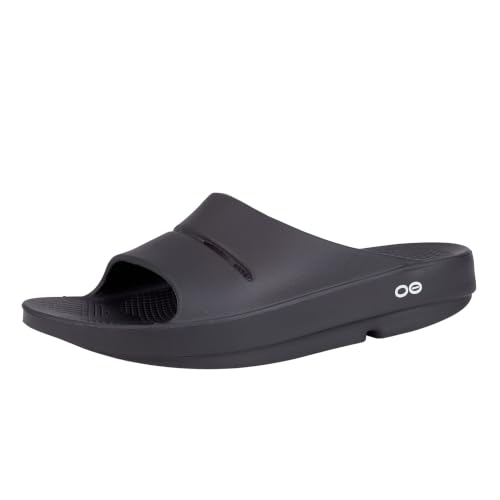
OOFOS OOahh Slide
- OOfoam slide
- APMA Seal of Acceptance
- Machine washable
$59.95 at Amazon, as of Nov 17, 2026 02:07 UTC
Check price on AmazonThe OPRO listing describes a self-fit guard you mould yourself; it is not a dentist-made guard. The ASO listing describes a lace-up ankle support, and the OOFOS slide is a comfort item for after the game. None of them is a safety standard in itself.
Mouthguards
The AFL says it strongly recommends a mouthguard for all contact training and match play. The AFL Play page says a custom, dentist-fitted guard usually fits best and is most comfortable, and that a store-bought boil-and-bite guard is better than none. Practical points: check the fit before every season and after growth spurts, rinse it after use, and replace it if it is cracked, torn or no longer snug. Do not use a self-fit guard over fixed braces unless the maker’s instructions allow it; a dentist or orthodontist can advise. Some listings, such as the OPRO one, state they are not for fixed braces.
Boots
Football boots with studs suit grass. The 2026 Laws let umpires inspect boots, hands and protective gear, and give free kicks for using boot studs in a way likely to cause injury. Practical advice from general footwear fitting, not from a trial: try boots on with your match socks, leave a thumb’s width in front of the longest toe, check that the heel does not lift, and break them in with short sessions before a match. Check studs for damage and clean off mud and grass between sessions.
Headgear and what the evidence says
The AFL says evidence is limited that headgear prevents concussion, although it may help prevent cuts, abrasions and facial fractures, and the AFL has developed Australian Football Headgear Standards. In a 2022 prospective study of 400 junior players (204 wore mandated headgear, 196 did not), headgear use was not associated with a lower rate of suspected concussion (risk ratio 1.09, with a wide confidence interval of 0.41 to 2.97), or with fewer other injuries. A 2023 national survey of 735 players found 42.9% wore padded headgear, most voluntarily and for games only, and that junior players were more likely than older ones to agree they felt safer and could play harder in it. Feeling safer is not the same as being safer, and wearing headgear is not a reason to tackle harder. If you or your league choose headgear, look for one that meets the AFL standards, check the fit and check your league’s rules.
Ankle support
Ankle injuries are common in community footy: 8.2% of junior injuries in one study, and 21% of the current injuries reported by 2,435 women and girls in another. A lace-up brace such as the ASO is a common choice for people who have rolled an ankle before. We did not read evidence on braces in Australian football, and a brace does not replace strength, balance work or a proper assessment; see a clinician for any ankle that keeps rolling. Our ankle brace guide compares options.
The ball
The Laws set the match ball at 720 to 730 millimetres around its length and 545 to 555 millimetres around its width, inflated to 69 kPa. Junior sizes are available; ask your league which size is used for each age group. A properly inflated ball is easier and safer to catch and kick, and you can check the pressure with a gauge. Replace balls that are split or have lost their shape.
What you cannot wear
The Laws ban jewellery, and protective equipment such as knee braces, helmets or shoulder pads is limited to what your controlling body approves, with umpires able to inspect it. If a doctor has told you to wear a brace or support, tell your coach and the umpire, and ask your league what is allowed.
Recovery and after-game gear
Soft slides like the OOFOS OOahh, a foam roller or a massage gun can make tired legs feel better. They are comfort tools, not treatment; see our recovery shoes guide and recovery page.
How to choose gear
- Start with the mouthguard and boots; they matter more than anything else.
- Ask your league or club what is allowed before you buy any protective equipment.
- Check fit every season, and more often for growing kids.
- Look for a named standard (such as the AFL headgear standards) rather than a maker’s “protective” claim.
- Treat product pages as the maker’s description, not as proof of protection.
Australian rules football gear FAQs
What gear do I need to play Australian rules?
A mouthguard and football boots are the basics. Your club may provide a jumper, and you may bring a drink bottle and a towel. Check your league for rules about other protective gear.
Do Australian rules players wear helmets?
Not in the standard game. Protective equipment is limited to what your controlling body approves, and the AFL says evidence is limited that headgear prevents concussion.
Should I get a custom mouthguard?
The AFL Play page says a dentist-fitted guard usually fits best and is most comfortable, but a boil-and-bite guard is better than none. Ask a dentist, especially if you wear braces.
What size is the ball?
The match ball is 720 to 730 millimetres around its length, inflated to 69 kPa, under the 2026 Laws. Junior sizes are available, so check your league.
Can I wear an ankle brace in a match?
Often yes, but protective equipment is limited to what your league approves, and umpires can inspect it. Ask before match day, and see a clinician if your ankle keeps giving way.
Sources
- AFL: Laws of Australian Football 2026
- AFL Play: Injury Prevention (mouthguards, headgear, standards)
- Padded headgear and concussion risk in junior Australian football (2022)
- Padded headgear in junior and youth Australian football: national survey (2023)
- Injury characteristics in junior community-level Australian football (2025)
- Injury profiles of women and girls playing community Australian football (2025)
- OPRO Gold Level Mouth Guard (Amazon listing)
- ASO EVO Ankle Stabilizer (Amazon listing)
- OOFOS OOahh Slide (Amazon listing)
General information for education only, not medical advice. It cannot replace a sports medicine doctor, physical therapist or athletic trainer who knows you. See how we research and write in our editorial policy.