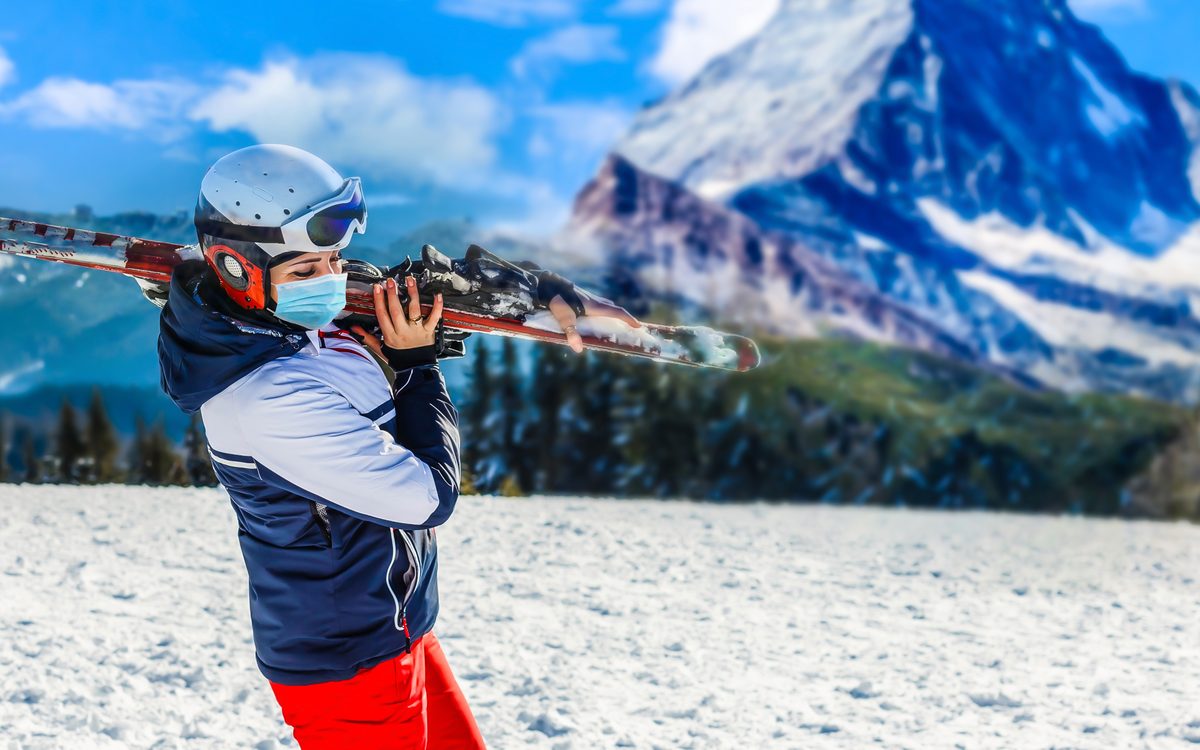
After a hard sprint race the stadium empties fast, and the athlete’s core temperature is high but the wind is cold. Biathlon recovery is what happens between efforts: staying warm and dry, refuelling, sleeping, easing off after hard days and keeping joints moving. The skiing load is the same as in cross-country skiing, so this page leans on that research and says where evidence is weak.
Quick answer: The basics have the most support: sleep, enough food and fluid, and easy days. Adults need at least 7 hours of sleep and teens 8 to 10 (AASM). Active cool-downs and most gadgets have small or uncertain effects. Soreness that fades in a few days is normal; pain that stays in one spot is a reason to see a professional.
The first 30 minutes
At a cold race, a study at a FIS Scandinavian Cup in Finland found core temperatures around 39 degrees C and skin temperatures that fell, most at the thigh (Schobersberger 2025). Change out of damp clothes quickly: the CDC says hypothermia can occur above 40 degrees F when chilled by sweat. An active cool-down is largely ineffective for next-day soreness or performance, though it may help cardiovascular and respiratory recovery (Van Hooren and Peake, 2018), so a short easy ski or walk is fine but not magic.
Refuel and rehydrate
The ACSM, Academy of Nutrition and Dietetics and Dietitians of Canada position (2016) suggests 0.25 to 0.3 g/kg of protein, or about 15 to 25 g, soon after training, and 1.0 to 1.2 g/kg/h of carbohydrate for the first four hours when the next session is under eight hours away, plus 1.25 to 1.5 L of fluid per kg of body weight lost. In a study of young female skiers (Kettunen 2021), none met the four-hour carbohydrate recommendation after training, which suggests even athletes underfuel recovery. More on our nutrition page.
Sleep
The American Academy of Sleep Medicine and Sleep Research Society say adults need at least 7 hours; the AASM pediatric statement says 8 to 10 hours for ages 13 to 18. At altitude camps, the CDC Yellow Book says periodic breathing is nearly universal above about 2,700 m (9,000 ft) and causes frequent awakenings, so expect sleep to be lighter at first. Race travel and early starts are a common reason for short sleep; plan naps and caffeine timing carefully (general guidance, not a sourced rule).
Easy days and load management
World-class skiers in one study placed intensive sessions about every three to four days and reduced load or rest about every 8 to 9 days (Walther 2025). The AAP advises one to two days off a week for young athletes (Brenner 2016). Signs of too much load include flat legs for days, poor sleep, a resting heart rate that stays high and more colds; this list is general guidance, not from one study. If fatigue lasts weeks, see a doctor or athletic trainer, and read about REDs on our nutrition page. Illness matters too: Finnish skiers with asthma refrained from training and competition more often during respiratory infections (Maki-Heikkila 2023).
Mobility and flexibility
Biathletes spend time in a standing and prone shooting position, which means shoulders, upper back and hips deserve attention. We found no study showing that stretching or mobility work improves biathlon results or prevents injury. Many athletes use gentle stretching, foam rolling and easy movement because it feels good; it is a comfort routine. A physical therapist can find what you specifically need.
Recovery tools: what the evidence says
- Massage: a review of 99 studies found massage the most effective of several methods for delayed onset muscle soreness and perceived fatigue (Dupuy 2018). Foam rollers and massage guns are cheaper stand-ins; evidence for them specifically is limited.
- Compression garments: small benefits, mostly for strength recovery (Brown 2017).
- Cold water immersion: a review used about 10 to 15 degrees C for 10 to 15 minutes (Machado 2016), but regular cold-water immersion can blunt strength and muscle gains (Roberts 2015), so athletes in a strength phase may avoid it.
- Gadgets and supplements: weak or mixed evidence; see our recovery tools guide for comparisons.
After a hard block of training
After a hard camp or race weekend, plan an easy week rather than hoping for the best. Keep the sessions short and relaxed, eat regular meals, protect sleep and notice how the legs feel on the stairs, not just on skis. The Walther 2025 study of world-class skiers suggests even the best plan in reduced load every 8 to 9 days, so an easy week is part of training, not a sign of weakness. If you are still flat after a week or two, tell a coach and see a doctor.
Soreness versus injury
Soreness is usually spread across muscles, peaks in a day or two and eases with movement. Injury pain is sharp, local, present at rest or changes how you ski or hold a position. See our injuries page and a clinician if in doubt.
Biathlon FAQs
How much sleep do biathletes need?
The AASM and SRS say at least 7 hours for adults; the AASM says 8 to 10 hours for ages 13 to 18.
Should I cool down after a race?
An active cool-down does little for next-day soreness but may help breathing and circulation settle (Van Hooren and Peake 2018). Staying warm and dry matters more.
Do ice baths help?
Reviews used about 10 to 15 degrees C for 10 to 15 minutes (Machado 2016), but regular use may blunt strength gains (Roberts 2015). Evidence is mixed.
Does massage work?
In a review of 99 studies, massage was the most effective method for soreness and perceived fatigue (Dupuy 2018).
Why do I sleep badly at altitude camps?
Periodic breathing is nearly universal above about 2,700 m and causes awakenings, per the CDC Yellow Book.
Sources
- Schobersberger et al. 2025, cold-weather racing
- CDC, cold weather
- Van Hooren and Peake 2018, cool-down
- ACSM/AND/DC 2016 nutrition position
- Kettunen et al. 2021, young female skiers
- AASM/SRS adult sleep consensus
- AASM pediatric sleep consensus
- CDC Yellow Book, high altitude
- Walther et al. 2025
- AAP, Brenner 2016
- Maki-Heikkila et al. 2023, respiratory infections in skiers
- Dupuy et al. 2018, recovery methods
- Brown et al. 2017, compression
- Machado et al. 2016, cold water immersion
- Roberts et al. 2015, cold water and training adaptations
General information for education only, not medical advice. It does not replace a visit with a sports medicine doctor, physical therapist or athletic trainer. See how we write and check our pages in our editorial policy.