This article contains affiliate links: if you buy through them we may earn a commission, at no extra cost to you. Read our affiliate disclosure.
The boat is in the water, the sun is barely up, and four anglers are still on the dock arguing about the first spot. One of them is already wearing a life jacket without being asked. Nobody calls that injury prevention, but it is the single habit the numbers favor most. Fishing injury prevention means the small, repeatable things anglers do before and during a trip, from the way they dress to how they carry a cooler, to lower the odds of a drowning, a hook in the face, a fall or a sore back.
Quick answer: Wear a life jacket on the boat: the US Coast Guard (USCG) found that 87% of drowning victims in 2024 were not wearing one, where that was known, and fishing was the activity in 178 of 556 boating deaths. Then cover the rest: eye and hand protection around hooks, steady footing, sun and heat protection, and lifting with your legs. See a clinician if a hook is in or near the eye, in a joint or deep, or if pain, numbness or heat illness signs do not settle.
General information, not medical advice. This page is about lowering risk. For what each fishing injury looks like and what to do after it, see our fishing injuries guide. Back to the fishing hub.
What actually needs preventing
Fishing looks gentle, but the USCG 2024 Recreational Boating Statistics list fishing as the activity in 178 of 556 boating deaths. Where the cause was known, 76% of those who died had drowned, and about 4 in 5 of them were on boats under 21 feet. Hooks and lures caused 79.7% of young people’s fishing injuries in US emergency departments, and a 2025 review of 41 studies reported low back pain and shoulder, elbow and wrist strain as common. So prevention here has three jobs: stay afloat and warm, keep hooks away from faces and hands, and spare your back and shoulders over a long day.
Before you cast: a short trip routine
No published warm-up program for fishing exists; we searched and found no trial of one. The USCG Boater’s Guide does recommend practicing what goes wrong on small boats, such as casting seated and standing and climbing back aboard with gear on. A sensible routine:
- Tell someone your plan and check the marine forecast. USCG 2024 data list weather as a contributing factor in 188 incidents and 55 deaths.
- Check the boat and the kit. Make sure there is one wearable life jacket for every person, a throwable device on boats 16 feet or longer (not required on canoes and kayaks), and a first aid kit with pliers that cut wire. These are USCG federal requirements and MedlinePlus tackle-box advice.
- Loosen up for five minutes with shoulder and wrist circles and a few hip hinges. This is common practice, not a published protocol.
Technique: casting, lifting and moving on a boat
In a survey of 162 fly anglers, 36.4% had pain right after fishing, and it was linked with elliptical or sidearm casting, weighted line or added weight, and a pronated grip (Orthopaedic Journal of Sports Medicine, 2020). Most of it passed within a week, but it is a signal. To reduce load on the arm:
- Keep a relaxed grip, switch casting arms during the day, and consider a lesson from a certified casting instructor.
- Lift coolers, anchors and fish with your legs, hold the load close, and share heavy items. This is general advice, not a fishing trial result.
- Sit while the boat is moving. The USCG notes that standing raises your center of gravity, and jon boats, canoes and kayaks are less stable still.
Progressive load: building up to long days
There is no fishing-specific load rule, and we did not find one. The 2024 Compendium of Physical Activities rates fishing from a boat or canoe while sitting at 2.0 METs, bank walking at 4.0 and wading in waders at 6.0, so a day in a stream asks far more of the heart and legs than a day on a pier. If you are building up to a full day of wading, add time on foot gradually over several trips. That is common practice, not a published threshold.
Strength and conditioning
A 2018 meta-analysis in the British Journal of Sports Medicine (Lauersen and colleagues) found that strength training cut sports injuries to about a third of the rate in control groups, though not in fishing specifically. The US Physical Activity Guidelines recommend muscle-strengthening on at least 2 days a week, and the CDC recommends balance activities for older adults. Our fishing fitness guide has the exercises and a sample week.
Water, weather and surfaces
On the boat and in the water
- Life jackets: the CDC says life jackets reduce the risk of drowning while boating for people of all ages and swimming abilities. The USCG says children under 13 must wear one while underway, unless in an enclosed cabin, and state rules may differ. Many inflatables are approved only for ages 16 and up.
- Tournament rules show the standard: the 2025 B.A.S.S. Nation rules require a chest-type life preserver to be worn, fastened, any time a combustion engine is running, and require the driver to wear the kill-switch lanyard.
- Alcohol: the USCG lists alcohol as the leading known contributing factor in fatal boating incidents (20% of deaths in 2024). The CDC also advises against it around water.
- Capsize plan: in cold water, the USCG describes cold shock in about the first minute, loss of swimming ability within roughly 10 minutes, and hypothermia in as little as an hour. The USCG advises getting onto the capsized boat if you can.
- Salt and brackish water: the CDC advises people with an open wound to stay out of salt or brackish water if possible, because of Vibrio bacteria.
Ice
Iowa DNR says 4 inches of clear ice is the minimum for ice fishing on foot, and that no ice is 100 percent safe. North Dakota Game and Fish says stay off ice under 2 inches. Both advise checking thickness as you go and not going alone. The CDC warns carbon monoxide is odorless and colorless, so use a battery alarm in any heated shelter.
Wading and slippery banks
Orvis wading guidance suggests at least felt soles with studs or cleats, a wading staff as a third point of support, and a wading belt. It also advises slow steps, a wide stance and sidestepping rather than crossing your feet. The USCG adds that waders do not pull you under: air trapped in them gives some buoyancy, so keep your knees bent and float on your back.
Sun, heat and lightning
The CDC says UV rays reflect off water and pass through clouds, and advises shade, long sleeves, a wide-brimmed hat, sunglasses that block UVA and UVB, and broad-spectrum sunscreen of at least SPF 15. The American Academy of Dermatology (AAD) suggests SPF 30 or higher, reapplied every 2 hours. The American Academy of Ophthalmology says polarized lenses reduce glare off water, but polarization on its own does not block UV, so check the label. For heat, the CDC lists signs of heat stroke as a body temperature of 103 F or higher, confusion and fast pulse; call 911. The National Weather Service found that fishing made up 40% of water-related lightning deaths from 2006 to 2023, and says “When Thunder Roars, Go Indoors”.
Protective equipment and fit
Verified standards: a USCG-approved life jacket must be in good condition, the right size for the wearer and carry the approval label. For inflatables, the USCG says the CO2 cylinder must be full and the indicator green. Wear it fastened, not stowed.
Eyes and hands: a 2025 Bascom Palmer study of 75 eyes found fishhooks caused 37% of fishing eye injuries and sinkers 35%, and that open-globe injuries from fishhooks (13 of 24) did far more damage than other causes (4 of 44). A 2026 study found rods, poles, lines and nets caused 31.2% of fishing eye injuries. No study we found tests eyewear for fishing, but clear glasses or sunglasses are the practical step. Keep distance when casting, cover or clip hooks when not fishing, use barbless hooks if the water allows them and carry pliers to cut a hook. Maker claims: UPF ratings on shirts and gaiters come from the makers, not independent tests.
These do not prevent an accident on their own, but they cover the biggest risks above.

Onyx Air Span Angler Life Jacket
- USCG and Transport Canada approved
- Tackle pockets and rod holder
- Inflatable: check the age and weight label
$89.99 at Amazon, as of Nov 17, 2026 01:07 UTC
Check price on Amazon
Adventure Medical Kits Ultralight/Watertight .5
- Waterproof DryFlex inner bag
- Bandages, antiseptic wipes, antibiotic ointment
- on Amazon
$31.95 at Amazon, as of Nov 17, 2026 01:07 UTC
Check price on Amazon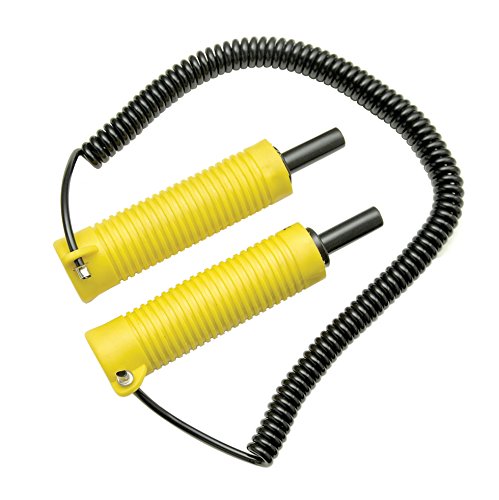
Frabill Retractable Ice Picks
- Worn through jacket sleeves
- Retractable guards
- Cord stretches to 72 in
$7.59 at Amazon, as of Nov 17, 2026 01:07 UTC
Check price on AmazonFor more on choosing gear, see the fishing gear guide.
Youth
Young anglers are the ones most often hurt by hooks. A 2026 study of children’s head and neck fishing injuries found fishhooks caused 84.6% of them, most often in the face, ear and eyelids. The CDC reports that for ages 5 to 14, over 40% of drowning deaths happen in natural water, and the American Academy of Pediatrics (AAP) recommends Coast Guard-approved life jackets for young children near water and boat riders. See our youth fishing guide.
What prevention can’t do
A life jacket does not help a person who is not wearing it, weather can change faster than a forecast, and a careful angler can still get a hook in a finger. Prevention lowers the odds; it does not remove them.
When to see a professional
- A hook in or near the eye or eyelid, in a joint or tendon, or deep: go to an emergency department (MedlinePlus). Also see someone if your tetanus shot is out of date or the wound looks infected.
- Shoulder, elbow or wrist pain that lasts beyond a week or returns every trip: a doctor, sports medicine physician or physical therapist.
- Heat stroke signs such as confusion, or hypothermia signs (the CDC treats a body temperature below 95 F as an emergency): call 911, and use VHF channel 16 if you are afloat.
The details of each injury are on our fishing injuries page, and what to eat, drink and plan for the day is on the fishing day page.
FAQs
Do I really need a life jacket on a big, stable boat?
The USCG found that 87% of drowning victims in 2024, where known, were not wearing one, and that 138 deaths involved a person falling overboard. A life jacket only works when it is worn.
Are polarized sunglasses enough to protect my eyes from hooks?
No study we found tests that. The American Academy of Ophthalmology says polarized lenses cut glare, and polarization itself does not block UV. We cannot claim they prevent hook injuries.
How do I stop my shoulder and elbow aching after a long day of casting?
The fly-angling survey linked pain with sidearm casting, extra weight on the line and a pronated grip. A relaxed grip, switching arms and a casting lesson are practical steps. See a professional if pain lasts more than a week.
How thick should the ice be?
Iowa DNR gives 4 inches of clear ice for ice fishing on foot and 5 to 7 inches for snowmobiles and ATVs. No ice is 100 percent safe, so check as you walk.
Is sunscreen worth it if I am mostly in a boat?
Yes. The CDC says UV reflects off water and passes through clouds. The AAD recommends SPF 30 or higher, water resistant, reapplied about every 2 hours.
Sources
- USCG, 2024 Recreational Boating Statistics
- USCG, A Boater’s Guide to the Federal Requirements for Recreational Boats (2023)
- CDC, drowning prevention
- CDC, drowning risk factors
- CDC, Vibrio prevention
- CDC, sun safety
- CDC, symptoms of heat-related illnesses
- CDC, carbon monoxide poisoning
- CDC, physical activity guidelines for older adults
- American Academy of Dermatology, how to apply sunscreen
- American Academy of Ophthalmology, polarized lenses
- MedlinePlus, fishhook removal
- Fishing-related injuries among pediatric patients treated in US EDs, Clinical Pediatrics, 2018
- Head and neck fishing injuries in children, Cureus, 2026
- Fishing-related ocular injuries, Journal of VitreoRetinal Diseases, 2025
- Ocular and orbital injuries associated with fishing, Graefes Archive, 2026
- Musculoskeletal disorders in recreational and sport fishing, narrative review, 2025
- Upper extremity pain and overuse injuries in fly-fishing, Orthopaedic Journal of Sports Medicine, 2020
- Lauersen and colleagues, strength training and sports injuries, British Journal of Sports Medicine, 2018
- ODPHP, Physical Activity Guidelines top 10
- 2024 Adult Compendium of Physical Activities
- Iowa DNR, stay safe on the ice
- North Dakota Game and Fish, ice safety
- Orvis, tips for safe wading
- National Weather Service Louisville, Lightning Safety Awareness Week 2024
- B.A.S.S. Nation 2025 rules
General information for education only, not medical advice. It does not replace a visit with a doctor, physical therapist or athletic trainer. See how we write and check our pages in our editorial policy.