This article contains affiliate links: if you buy through them we may earn a commission, at no extra cost to you. Read our affiliate disclosure.
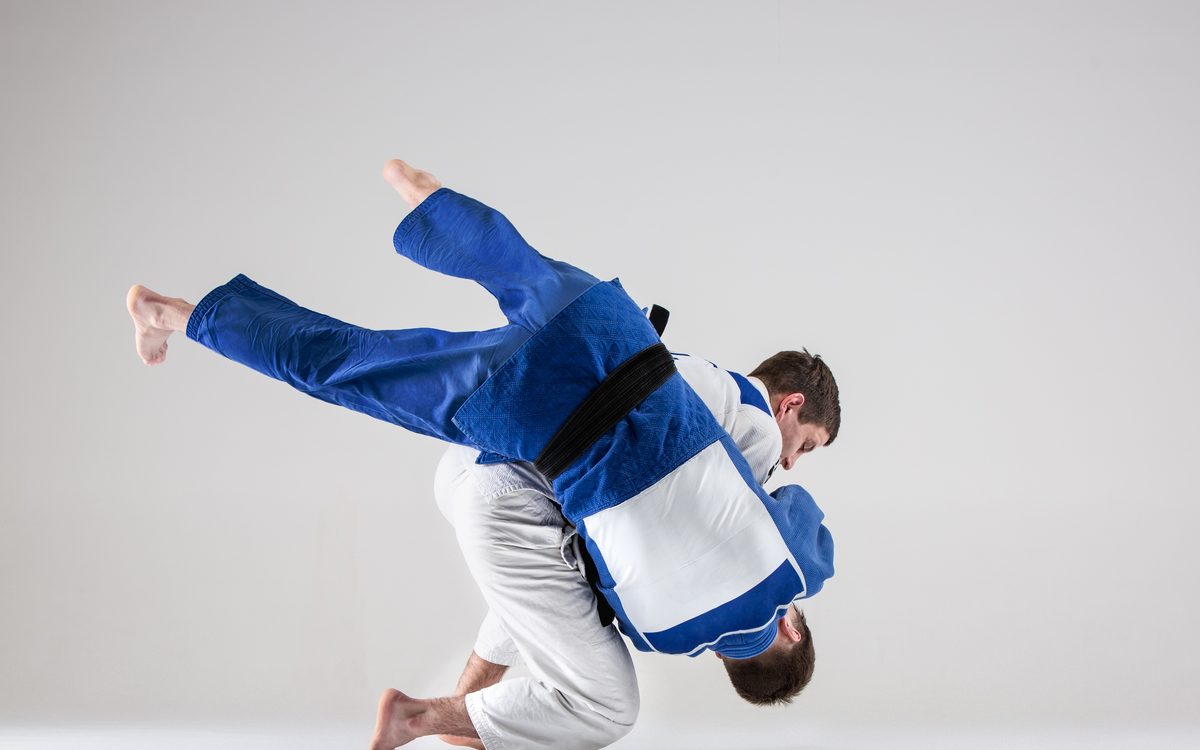
The gym bag by the door tells you how long someone has done judo. A first-timer carries a borrowed jacket and flip-flops. A regular has a second gi so one is always dry, a clean belt, slides for the walk from the mat to the changing room, nails trimmed short and a bar of soap. Judo gear is a short list, and the most important item is the judogi (jacket, trousers and belt) that fits and is kept clean. This page covers what matters when buying, what to check, and what is a standard and what is a maker’s claim.
Quick answer: You need a judogi that fits, a belt, short nails, clean skin, and sandals or slides for off the mat. Many clubs lend a gi for a first class, so wait to buy until you know you will continue. Competition organizers set their own gi rules, and a “competition approved” label on a listing is a maker or seller claim, not a check against a federation list, so ask the organizer before you buy for an event.
The judogi
Judo is a grappling sport where grips on the jacket matter, so the gi is working equipment. Gis come in different weaves: single weave is lighter and cooler and usually cheaper, while double weave is heavier and stiffer and is commonly chosen by regular competitors. Beginners usually do well in a single weave. Cotton shrinks, and many gis are sold a size large with a first wash in mind, so follow the maker’s washing advice and compare size charts instead of guessing. Young judoka grow quickly, and kids’ sizes should leave room without sleeves falling over the hands.
What to check: sleeves and trousers long enough to do their job, a jacket that closes and holds a grip without being so baggy it gives an opponent too much cloth, stitching that is even, and a belt of the right length that stays tied. Colors are white and, at many competitions, blue. The IJF rule book, as published by British Judo, governs judogi at its events, and we have not checked the detail of its current measurements, so any buyer who plans to compete should read their organizer’s rules or ask the coach.
Belts
The belt shows rank, with colored belts for kyu grades and black for dan grades. A first belt usually comes with the gi. Promotion comes from your club and national federation, so wait to buy higher belts until you are graded.
Hygiene gear
The National Athletic Trainers’ Association (NATA) position statement on skin diseases advises showering after every practice, not sharing towels, bar soap or gear, laundering practice clothing after use, and disinfecting mats on a schedule with an EPA-registered product, which is the club’s job. In practice that means a gi wash after each class, a towel and a clean change of clothes, and your own soap. Wipes are for when a shower is not available. Neither soap nor wipes treat skin infections. A red, scaly or blistering spot needs a clinician. See our injury prevention page.
Off-mat footwear, nails and hair
Slides or sandals keep mat and changing-room floors off your feet. A cushioned slide is also comfortable after a long evening standing and drilling. The IJF rules require short fingernails and toenails, and tied-back hair, which protect your partner and you from scratches and finger catches. Neither needs buying anything but a nail clipper and hair ties.
Mouthguards and knee pads
Judo is normally practiced without helmets, and mouthguards are not universal. The American Academy of Pediatrics (AAP) martial arts clinical report found no evidence that headgear or mouthguards reduce concussion and said mouthguards reduce dental injury in boxing, so a mouthguard protects teeth and not the brain. Ask your club whether it asks for one. If you use one, a boil-and-bite style should be fitted by the instructions. The IJF rules allow soft knee pads with no metal or rigid parts; use only what the rules and your club allow. Neither piece of equipment is a promise of safety, and none replaces breakfall skill.
Our picks
These are examples with a reasonable fit for the topics above. The maker or seller describes their features; we have not tested them, and none replaces fit and fitting advice from your club. Check sizes and the current listing yourself.

FUJI Single Weave Judo Gi with Belt
- Single weave, 55% cotton, 45% polyester
- White belt included
- Kids and adult sizes
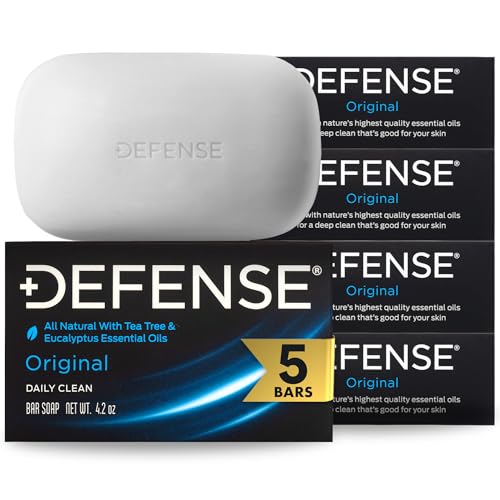
Defense Soap Tea Tree Bar (5-pack)
- Tea tree and eucalyptus oils
- No SLS or added fragrance
- Five bars
$30.99 at Amazon, as of Nov 17, 2026 01:07 UTC
Check price on Amazon
Defense Soap Body Wipes (2 x 40)
- Tea tree and eucalyptus oils
- No-rinse, extra-wet cloths
- 80 wipes
$26.99 at Amazon, as of Nov 17, 2026 01:07 UTC
Check price on Amazon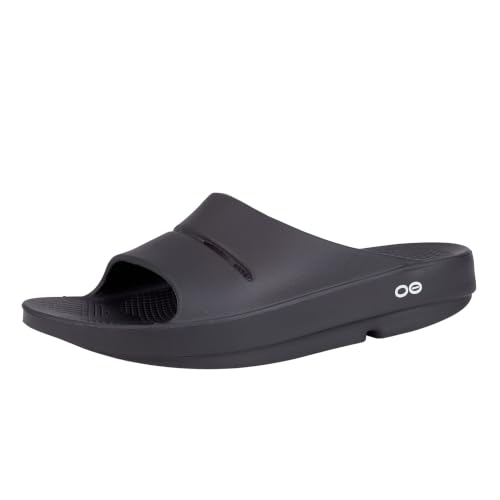
OOFOS OOahh Slide
- OOfoam slide
- APMA Seal of Acceptance
- Machine washable
$59.95 at Amazon, as of Nov 17, 2026 01:07 UTC
Check price on Amazon
Shock Doctor Gel Max Mouthguard
- Boil-and-bite gel-fit liner
- Youth and adult sizes
- Check with your club first
$11.99 at Amazon, as of Nov 17, 2026 01:07 UTC
Check price on Amazon
Cliff Keen Impact Bubble Knee Pad
- Compression-molded bubble pad
- Full range of motion
- Machine washable
$23.50 at Amazon, as of Nov 17, 2026 01:07 UTC
Check price on AmazonFrequently asked questions
Do I need to buy a judo gi for my first class?
Not usually. Many clubs lend one. Ask before you buy, because some clubs have preferred makes or colors.
Single weave or double weave?
Single weave is lighter, cooler and cheaper, and works for most beginners. Double weave is heavier and stiffer and is often chosen by competitors. Competition rules about gi thickness and size are set by the event organizer.
What does “IJF approved” mean on a gi listing?
It is a claim by the seller or maker. The federation publishes its own rules, and we did not check any listing against its approved lists, so ask your event organizer.
Do I need a mouthguard for judo?
Ask your club. The AAP says mouthguards reduce dental injury but found no evidence that they reduce concussion.
How should I wash my judo gi?
Wash it after each class, following the maker’s instructions for temperature and drying, since cotton can shrink. NATA advises laundering practice clothing after use.
Sources
- NATA position statement: skin diseases
- AAP: Youth Participation and Injury Risk in Martial Arts
- British Judo Contest Rules based on IJF rules (2025)
- IJF Sport and Organisation Rules (Jan 2025)
- FUJI Single Weave Judo Gi listing
- Defense Soap bar listing
- Defense Soap wipes listing
- OOFOS OOahh listing
- Shock Doctor Gel Max listing
- Cliff Keen Impact Bubble Knee Pad listing
General information for education only, not medical advice. It does not replace a sports medicine doctor, physical therapist or athletic trainer who knows you. Product descriptions come from the makers’ listings. We may earn a commission from purchases made through links on this page. See how we work in our editorial policy, and return to the judo hub.