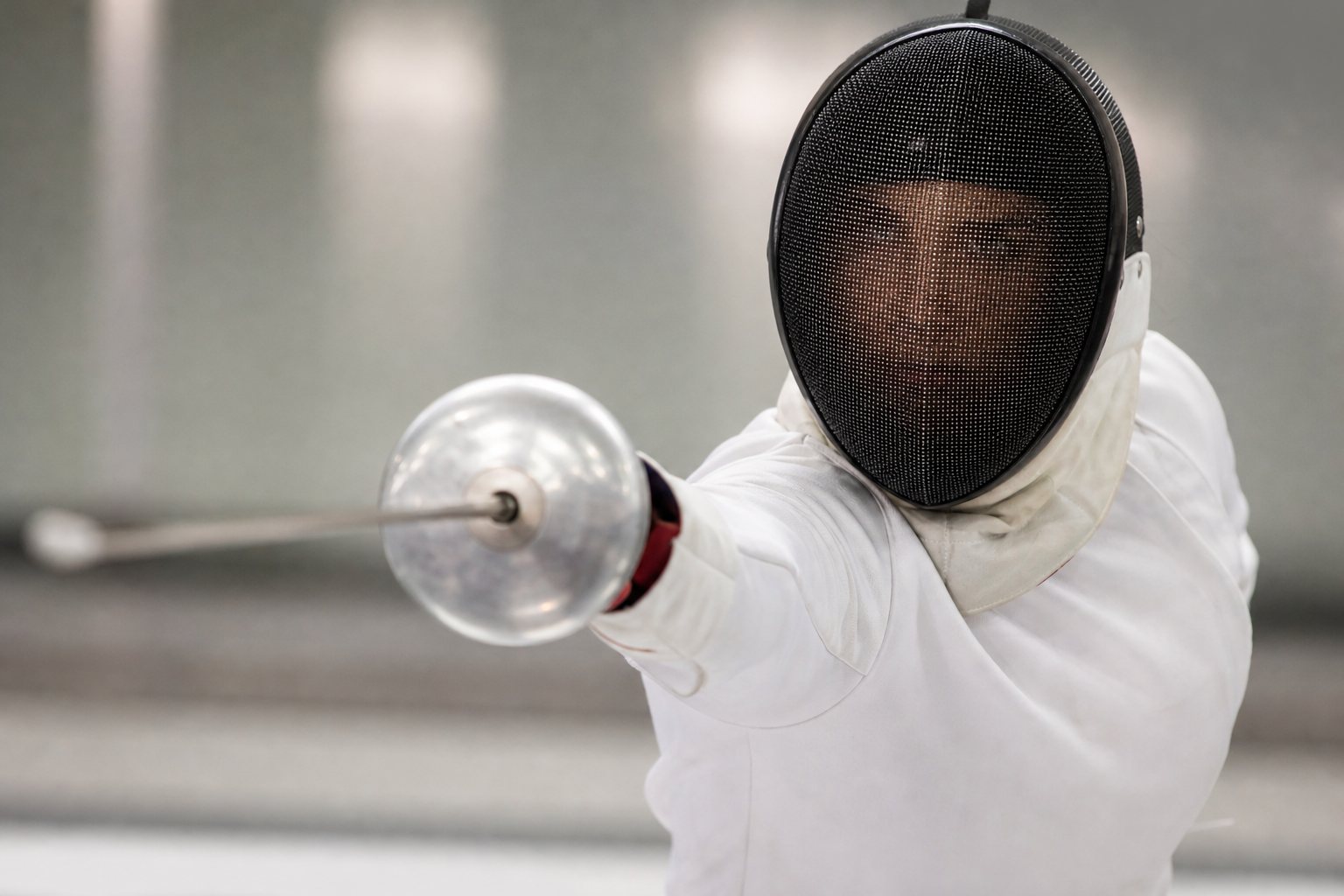
The bag by the door holds goggles, a spare shirt and a banana, and the banana is the thing that decides whether the evening laser run feels sharp or flat. Modern pentathlon nutrition means feeding two or three sessions a day across swimming, running, fencing, obstacle and shooting, staying hydrated in pools and warm venues, and being careful with supplements. This page gives general sports nutrition principles from named consensus statements. It is not a diet plan, and it is not a substitute for a registered dietitian.
Quick answer: Eat enough to fuel the training: the joint position of the Academy of Nutrition and Dietetics, Dietitians of Canada and ACSM (2016) says well-chosen nutrition supports performance and recovery and that athletes should see a registered dietitian for a personal plan. Not eating enough is a health risk (IOC REDs consensus, 2023). Supplements are optional, a minor contribution at best (IOC 2018), and any product should be third-party tested for sport.
Fuel for a multi-session day
The 2016 joint position (Thomas, Erdman and Burke) gives ranges by training load: about 3 to 5 g of carbohydrate per kg of body weight per day for light or skill-based training, and protein of 1.2 to 2.0 g per kg per day for athletes in general. Pentathletes often train more than one discipline a day, so their carbohydrate needs may sit higher than the light range, but we did not find a pentathlon-specific figure. Ask a registered dietitian to set amounts for your size, age and schedule. Practical points that follow from the schedule: eat a real breakfast before an early swim or have something small and familiar, refuel soon after hard sessions, and spread protein across the day.
Hydration and heat
Swimmers sweat too, but it is easy not to notice in the water. Drink regularly through training and plan fluids for warm venues. The National Athletic Trainers’ Association statement on exertional heat illness (Casa and colleagues, 2015) advises heat acclimatization of 7 to 14 days, and the ACSM 2023 consensus on exertional heat stroke says cool first, then transport. Signs such as confusion, collapse or a very high body temperature are an emergency; call emergency services. For competition, the schedule includes short breaks between events (a summary of UIPM 2026 rules lists 5, 5 and 10 minutes), which suit sips of fluid and a small, familiar snack. Do not try a new food or drink on competition day.
Relative energy deficiency in sport (REDs)
The International Olympic Committee consensus statement on REDs (Mountjoy and colleagues, 2023) describes how low energy availability, whether intentional or not, can affect reproductive, bone, metabolic, iron, immune and mental health and performance in female and male athletes. A companion paper on prevention (Torstveit and colleagues, 2023) emphasizes education and de-emphasizing weight and leanness, especially for young athletes. We found no REDs prevalence study in modern pentathlon, so we do not claim a rate. Because the sport is endurance-heavy and training volume is high, it is worth knowing the signs. Warning signs include missed or absent periods, repeated stress injuries, constant fatigue, frequent illness and fear around food. See a sports medicine doctor or registered dietitian; for eating concerns, the NIMH page on eating disorders lists signs, and the ANAD helpline (1-888-375-7767) offers support. In the US, call or text 988 in a crisis.
The UIPM material we read mentions no weight classes, so there is no weigh-in cutting to manage. Coaches and parents should still avoid comments about athletes’ bodies.
Supplements: a cautious approach
- Food first. The IOC consensus on dietary supplements (Maughan, Burke and colleagues, 2018) says nutrition makes a small but potentially valuable contribution and that supplements can contribute only minor benefits; some can harm health, performance or reputation if they cause an anti-doping rule violation. It recommends a complete nutritional assessment before supplement decisions.
- Contamination and doping. A study by Geyer and colleagues found that about 15 percent of 634 supplements contained undeclared prohormones, and anti-doping rules hold the athlete responsible for what is in their body (strict liability). As an Olympic sport, modern pentathlon is covered by anti-doping rules; check the current prohibited list with UIPM or your national anti-doping agency.
- Third-party testing. If you use a supplement, choose one tested for sport, such as NSF Certified for Sport or Informed Sport, and say plainly when a product is not certified. Do not use weight-loss, stimulant or “fat burner” products.
- Caffeine and energy drinks. Caffeine is a stimulant; read the label, and check with a doctor if you have a heart condition, are pregnant or are sensitive. The American Academy of Pediatrics said in 2011 that energy drinks have no place in the diets of children and adolescents. Pediatric guidance (AAP, 2016) also advises against creatine for young athletes.
- Vitamin and mineral products. Excess iron is harmful, so test before taking iron. Ask a doctor or dietitian whether you need anything and in what amount; we do not give dosing advice beyond the label.
Our supplement guides compare products by testing and label, not by health claims. See electrolyte powders and protein powders for comparisons.
Nutrition FAQs
How much should a pentathlete eat?
It depends on size, age and training load. The 2016 joint position gives ranges for carbohydrate and protein, and says to see a registered dietitian for a personal plan.
What should I eat between events on competition day?
Something small, familiar and easy to digest, plus fluids. Practice it in training first; there are only short breaks between events.
Do pentathletes need supplements?
Not necessarily. The IOC says supplements make a minor contribution and carry risk if contaminated.
What is REDs?
Relative energy deficiency in sport: not enough energy intake for what training demands, with possible effects on bone, hormones, immunity, mood and performance (IOC, 2023).
Is creatine safe for teens?
The AAP advises against it for young athletes. Talk to a pediatrician first.
Sources
- Thomas, Erdman and Burke 2016, ACSM/AND/DC joint position on nutrition and athletic performance (PubMed 26891166)
- Mountjoy et al. 2023, IOC consensus statement on REDs (PubMed 37752011)
- Torstveit et al. 2023, REDs prevention (PubMed 37752004)
- Maughan et al. 2018, IOC consensus on dietary supplements (PubMed 29540367)
- NATA, Exertional Heat Illnesses (Casa et al. 2015)
- ACSM 2023 expert consensus on exertional heat stroke
- AAP 2011, sports drinks and energy drinks for children and adolescents
- NIMH, Eating Disorders
- ANAD Eating Disorders Helpline
- 988 Suicide and Crisis Lifeline
- UIPM, 2026 format
General information for education only, not medical advice. It does not replace a sports medicine doctor, physical therapist, athletic trainer or registered dietitian who knows you. Read how we work in our editorial policy.