This article contains affiliate links: if you buy through them we may earn a commission, at no extra cost to you. Read our affiliate disclosure.
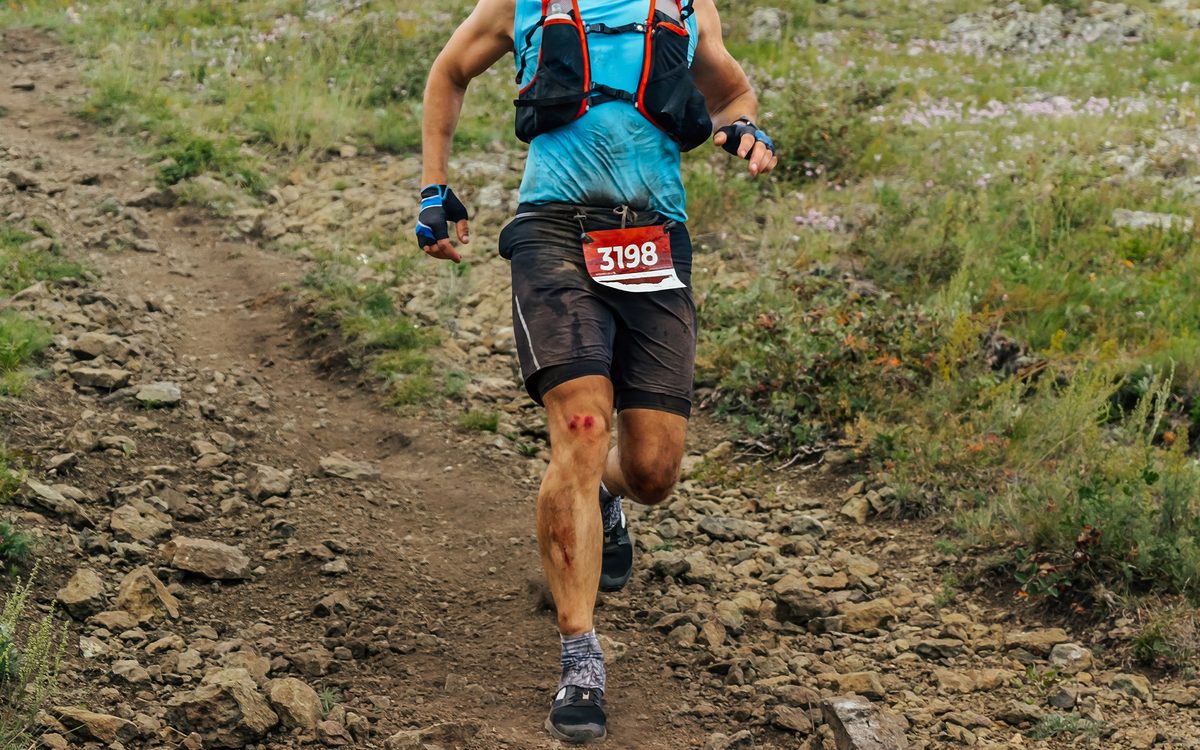
The race briefing is over, and the volunteer at the start is checking bibs and glancing at packs. A runner who thought a single bottle was plenty is quietly adding a jacket and a headlamp to her vest, because the kit list says so. Trail running gear is the equipment that keeps a runner moving safely and comfortably on rough, remote ground: shoes with grip that fit, a way to carry water, food and layers, and a few small items that prevent big problems. You can start with very little, and what you need grows with the distance, the weather and how far you are from help.
Quick answer: Start with shoes that fit and grip the ground you run on, then add a vest or belt, a warm or waterproof layer and a way to call for help as the runs get longer. Race organisers set the compulsory kit, so read the rules. The only independent fit guidance we cite is orthopaedic (try shoes on late in the day, leave room at the toe); grip, comfort and weight claims come from makers, so test products on your own terrain.
Shoes: fit first, then grip
The American Academy of Orthopaedic Surgeons advises trying shoes on at the end of the day with the socks you run in, and leaving about half an inch beyond the longest toe (AAOS OrthoInfo). Trail shoes add features such as aggressive outsole patterns and structural stability elements for rugged terrain. A 2026 scoping review of 16 studies on footwear in trail running and hiking found that research has focused mostly on biomechanics, and that the evidence on injury, comfort and performance is still fragmented (J Foot Ankle Res 2026). In plain words, no shoe has been proven to prevent injury; fit and your own comfort decide. Easy, dry, groomed paths can be run in road shoes, while muddy or rocky trails call for more grip. Visit a running store for a fitting if you can.
Check shoes before every long run: outsole lugs worn flat, uppers torn, midsoles creased or flat. The AAP running page gives a general range of about six months or 300 to 500 miles for running shoes (AAP HealthyChildren). Trail shoes can wear faster on abrasive ground, so inspect, do not just count.
Socks, blisters and chafing
A 2026 review of ultra trail running lists blisters and abrasions among the problems that frequently cause slower pace or withdrawal (J Back Musculoskelet Rehabil 2026). Sock fit, shoe fit and keeping feet dry all matter; changing socks on a long, wet run is a common practice (general advice). An anti-chafe balm is a common way to cut friction under arms, along bra lines and between thighs. The maker of Body Glide Original says it uses plant waxes and no petroleum (Body Glide), which is a maker claim; test any product on a short run first.
Vests, bottles and what to carry
World Athletics says organisers may recommend or require items such as minimum clothing, windjackets, headlamps, water and food depending on conditions, and that poles are at the organiser’s discretion (World Athletics). A vest carries those items close to the body. Fit matters: it should not bounce or rub, and you should be able to reach flasks and snacks without stopping. Try it fully loaded on a training run before race day.
A rough kit by distance (general coaching practice, not a standard):
- Short local runs: a handheld bottle or small waist pack, a phone.
- Long runs and mountains: vest with water, food, a windproof or waterproof layer, a warm layer, a phone and a whistle, and a small first aid kit.
- Races: everything on the organiser’s list, a headlamp if the race can run into dark, and spare batteries.
The National Weather Service reminds outdoor users that storms can form quickly in mountains and that no place outside is safe in a thunderstorm (NWS), which is why a weather-ready layer and a plan matter more than any single gadget.
Poles, headlamps and extras
Poles are allowed or banned by race; some runners use them for long climbs. We found no studies we can cite on injury benefit. A headlamp is worth carrying on any run that might finish after dusk. GPS watches and phones help with navigation; see our running wearables page.
Recovery footwear
Many runners change into cushioned slides after a long run. The OOFOS OOahh Slide is listed with the American Podiatric Medical Association Seal of Acceptance, a third-party seal on the product listing. It is comfort gear, not a treatment.
Standards versus maker claims
- Verified or independent: shoe fitting guidance from the AAOS; race kit rules from World Athletics and each race; the APMA seal, which is a third-party seal.
- Maker claims: grip, “stability”, weight, capacity, “no petroleum”, and waterproof ratings. We list them as the maker or listing says, not as tested results.
- Not found: an independent grip or durability rating that lets you compare trail shoes across brands.
Products on this page
Cards below are examples drawn from our running pages, not tested rankings; specs come from makers and listings. Our running gear page covers road shoes and general kit.

Salomon ADV Skin 5 Set
- 5 L storage
- Two 500 ml soft flasks
- 220 g / 8 oz

Nathan VaporAir Lite 4L
- 2 L bladder included
- 7 pockets
- Check the size chart

Body Glide Original Anti-Chafe Balm
- 1.5 oz stick
- Plant waxes, no petroleum (maker)
- Carry it on long runs
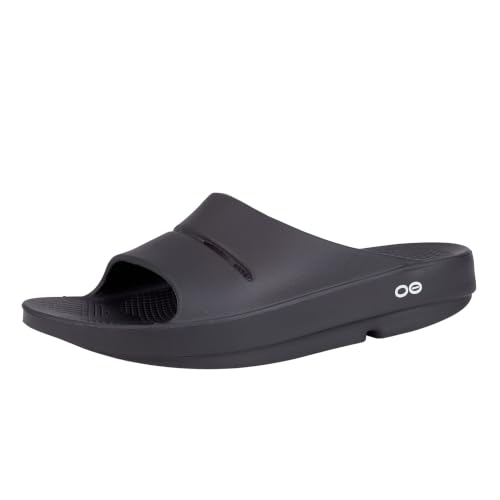
OOFOS OOahh Slide
- OOfoam slide
- APMA Seal of Acceptance
- Machine washable
Trail running gear FAQs
Do I need trail shoes or can I wear road shoes?
Dry, groomed paths work in road shoes. Muddy or rocky trails are safer in shoes with more grip. Fit matters most, so try them on at the end of the day.
How big should my hydration vest be?
Size it to the kit you carry: the vests on this page range from a few litres of storage, and the maker’s size chart decides the fit. Try it loaded before race day.
Do trail shoes prevent injuries?
No shoe has been shown to. The 2026 scoping review calls the evidence fragmented, so fit and comfort come first.
What kit is compulsory in trail races?
The organiser decides. World Athletics says races may require minimum clothing, windjackets, headlamps, water and food, so read the race guide.
How do I stop chafing?
A balm, clothes that fit well and no seams that rub help many runners. Test on short runs and see a doctor for skin that stays raw.
Sources
- World Athletics: Mountain and Trail Running
- Jackson et al., Exploring the role of footwear in trail running and hiking: a scoping review, J Foot Ankle Res 2026
- AAOS OrthoInfo: Athletic shoes
- AAP HealthyChildren: Running
- Narrative review: injuries and illnesses in ultra trail running, 2026
- National Weather Service: Lightning safety outdoors
- Body Glide: Original anti-chafe balm (maker)
- Salomon ADV Skin 5 Set listing (maker claims)
- Nathan VaporAir Lite 4L listing (maker claims)
General information for education only, not medical advice. It does not replace a visit with a doctor, physical therapist or athletic trainer. See how we write and check our pages in our editorial policy.