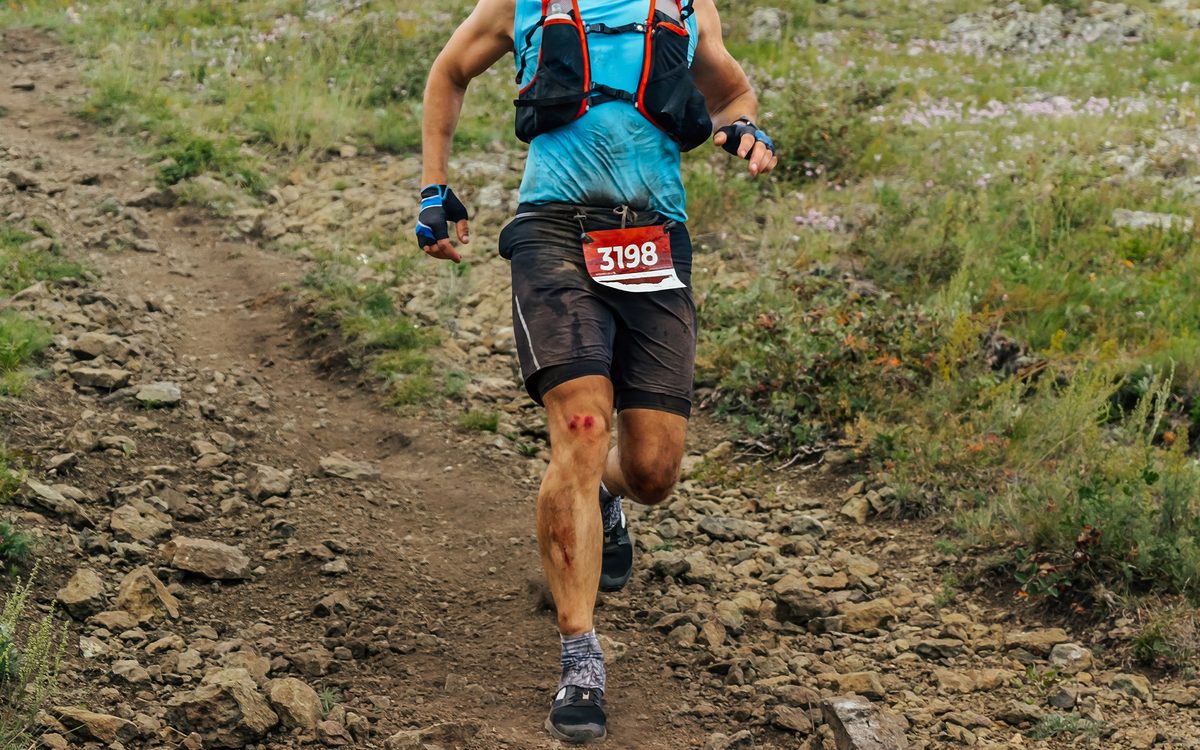
Monday morning after a long mountain race, the stairs are the hardest part of the day. Quads are tight, calves are tender, and the legs feel like they belong to someone else. Trail running recovery is everything an athlete does between hard efforts to let the body absorb the training: sleep, food, easy movement, planned easy weeks, and, where it helps, tools such as massage or cold water. Some of these have good support and some do not, and this page says which is which.
Quick answer: The best-supported recovery basics are sleep, enough food and an easier week now and then; the CDC recommends at least 7 hours of sleep for adults. Among tools, a large 2018 meta-analysis found massage the most effective for soreness and perceived fatigue, while cold-water immersion evidence is low certainty. Soreness that fades in a few days is common after downhills, but pain that stays in one spot or changes how you run needs a sports medicine doctor, physical therapist or athletic trainer.
Why trail legs get so sore
A review of graded running in Sports Medicine describes downhill running as mostly energy absorption, with muscles lengthening under load (Vernillo et al., 2017). That kind of work is linked to more muscle damage and delayed-onset muscle soreness than level running, which is why legs may feel worse a day or two after a long descent than after the climb itself. A 2026 narrative review of ultra trail running adds that limited recovery time between efforts is one of the demands of the sport (J Back Musculoskelet Rehabil 2026).
Sleep
The CDC recommends that adults get at least 7 hours of sleep a night and teens 8 to 10 hours (CDC, About sleep). Hard training days, early starts and night running can shorten sleep, so protecting the hours around a big weekend run is a practical priority. Wearable sleep scores can be a rough guide, but they are not diagnoses; see our running wearables page.
Load management and easy weeks
No source we found fixes how many easy days a trail runner needs. Common coaching practice is to follow a hard day with an easy or rest day and to plan an easier week every few weeks, and to pull back when tired in a way that does not lift. The American Academy of Pediatrics suggests no more than a 10% weekly increase in running mileage and gives children and teens one to two days off a week from a sport (AAP HealthyChildren). The training page covers planning.
Food in the hours after
Fuel is part of recovery. A 2021 systematic review of carbohydrate intake in one-day ultra-trail races found that runners who took in more carbohydrate (about 120 grams an hour in two studies) had a smaller rise in muscle damage markers and better recovery of high-intensity running capacity 24 hours after a trail marathon, but gut symptoms were reported in 65% to 82% of athletes in six studies (Arribalzaga et al., 2021). That is race fuelling in studies, not advice for you; see our nutrition page and talk to a registered dietitian.
What the evidence says about recovery tools
- Massage. A meta-analysis of 99 studies concluded that massage seems the most effective method for reducing delayed-onset soreness and perceived fatigue, and that compression and water immersion can help perceived fatigue (Dupuy et al., 2018). A 2026 review of pain in ultramarathon runners notes that massage during races may relieve pain (Sports 2026).
- Cold-water immersion. A 2026 umbrella review of 15 meta-analyses reports that the overall quality was low to critically low and the certainty of evidence low to very low. Protocols of 10 to 15 minutes at 10 to 15 degrees Celsius or 5 to 10 degrees Celsius appeared most effective, endurance performance improved immediately after, but there were no later benefits or adaptation benefits (Sports Med Open 2026). The evidence is weak, so treat it as an optional comfort tool, not a requirement.
- Compression garments, active recovery and foam rolling. The 2018 meta-analysis includes active recovery and compression, with small to large effects on soreness. We did not review the foam rolling evidence, so we make no claim about it.
These products and methods are consumer recovery tools, not medical treatments; check with a doctor if you have a heart condition or circulation problems before using extreme cold or heat.
Mobility and flexibility
The 2022 trail review includes dynamic flexibility within prevention and rehabilitation programmes (Arthrosc Sports Med Rehabil 2022). We did not find a trial showing that stretching after trail runs prevents injury or speeds recovery, so the page makes no promise. Easy walking, gentle mobility work for ankles, hips and calves, and sleeping well are low-risk habits many runners use.
Soreness or injury?
A rough guide, common in sports medicine but general rather than diagnostic: soreness is usually dull, felt in both legs or across a whole muscle, worst a day or two after a hard effort, and eases with gentle movement over a few days. Injury pain is more often sharp or localised, felt on one side, present at the start of a run or at rest, and does not ease. The 2022 review says education about early pain and adjusting training can stop an injury progressing. If you are unsure, see a sports medicine doctor, physical therapist or athletic trainer. Details are on our injuries page.
After an ultra or a big day
No universal recovery time exists. Sleep, food and fluids come first, and the 2026 ultra review notes that kidney injury, gut distress and low blood sodium can occur in long events. Seek medical help if you have confusion, persistent vomiting, very dark or little urine, or severe swelling, and give the legs easy days before hard ones. Our running recovery page covers road and general recovery.
Trail running recovery FAQs
How long should I rest after a trail race?
There is no universal time. It depends on the distance, the terrain and the runner. Easy movement, food and sleep come first; a clinician or coach can advise on a return to hard work.
Does an ice bath help?
The 2026 umbrella review rates the evidence low to very low certainty and found no later benefit for endurance performance, so it is an optional comfort tool.
Is massage worth it?
The 2018 meta-analysis found massage the most effective of the methods tested for soreness and perceived fatigue. Many runners find it comfortable; avoid it on an area you think is injured.
Why are my quads so sore after a descent?
Downhill running loads muscles while they lengthen, which the Vernillo review links to more damage and soreness. The soreness usually eases in a few days.
How much sleep do I need?
The CDC recommends at least 7 hours for adults and 8 to 10 for teens.
Sources
- Vernillo et al., Biomechanics and physiology of uphill and downhill running, Sports Med 2017
- Dupuy et al., Evidence-based approach for choosing post-exercise recovery techniques, Front Physiol 2018
- Umbrella review of post-exercise cold-water immersion, Sports Med Open 2026
- Scoping review of pain responses of ultramarathon runners, Sports 2026
- Arribalzaga et al., carbohydrate intake in one-day ultra-trail races, 2021
- Trail runners injury prevention and rehabilitation review, 2022
- Ultra trail running injuries and illnesses narrative review, 2026
- CDC: About sleep
- AAP HealthyChildren: Running
General information for education only, not medical advice. It does not replace a visit with a doctor, physical therapist or athletic trainer. See how we write and check our pages in our editorial policy.