This article contains affiliate links: if you buy through them we may earn a commission, at no extra cost to you. Read our affiliate disclosure.
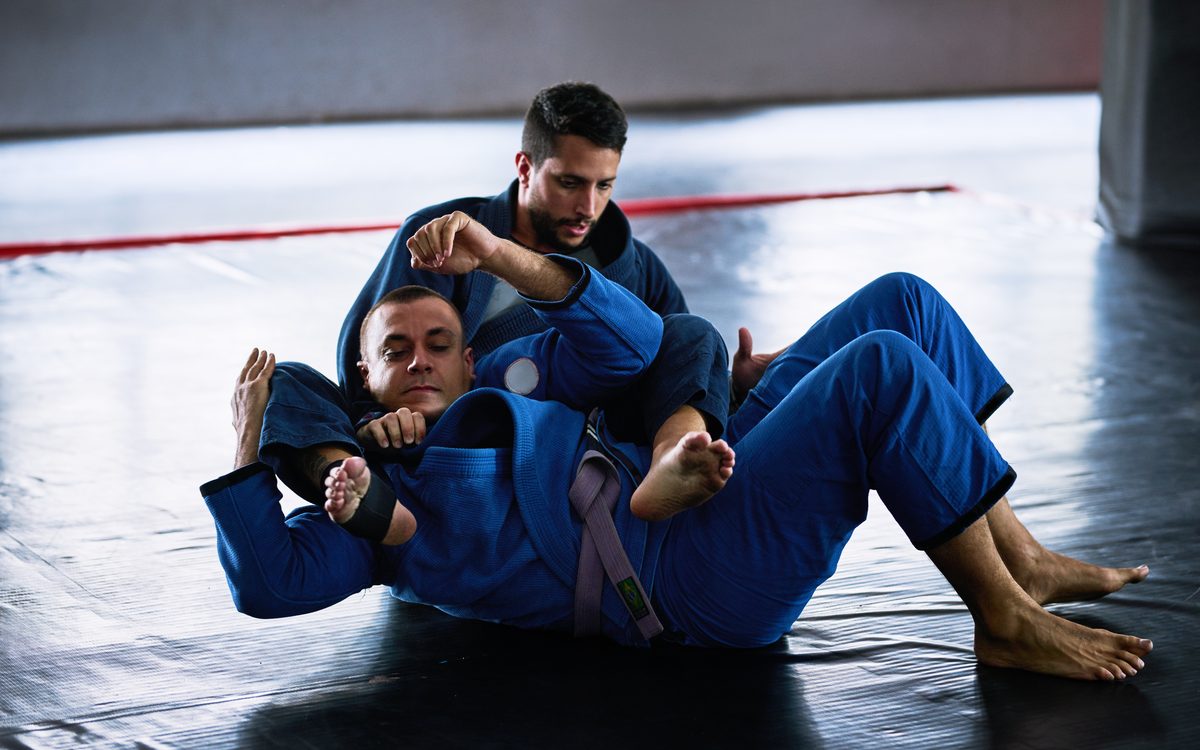
Friday night open mat, a crowded room, and a training partner who has just locked in a tight knee-line position. You feel the pressure early and you tap, before it hurts. That small decision is the heart of BJJ injury prevention: the habits around training, such as tapping early, a warm-up, a steady training load, skin care and honest reports of pain, that lower the chance of getting hurt. They lower the odds. They do not remove the risk.
Quick answer: The best-supported habits in BJJ are tapping early and releasing instantly, choosing training partners and a pace that match your level, building training time gradually, and washing after every class to protect your skin. Evidence for specific BJJ warm-up programs is thin. See a sports medicine doctor, physical therapist or athletic trainer if pain stays in one joint, and call 911 after a head or neck injury with danger signs.
Warm-up
We found no BJJ-specific injury-prevention program that has been tested in a trial. The closest tested program is IPPON, built for judo. Its development paper (BMJ Open Sport and Exercise Medicine, 2020) describes 36 exercises aimed at shoulder, knee and ankle. In the randomized trial of 269 judoka aged 12 and over (British Journal of Sports Medicine, 2023), injuries were 23% in the program group and 28% in the control group, a difference that was not statistically significant. Trainers and athletes liked it, but it did not prove protection. A general warm-up that raises heart rate, moves the hips, spine and shoulders through their range, and then rehearses movements from class is common practice, and the sections on training and recovery cover the rest.
Technique and the tapping culture
A 2025 study of 881 BJJ practitioners (BMJ Open Sport and Exercise Medicine) found 89% of injuries happened in training and 79% of those in sparring. That is where prevention matters most. Practical rules that follow:
- Tap early, tap often, and let go the moment your partner taps. Tap to the position, not to the pain; this is coaching advice, not a studied rule.
- Agree the pace before you roll. Hard rolling with a stranger is where many injuries start.
- Do not resist a joint lock until it hurts. The AAP clinical report notes that joint locks hold a joint at the end of its range.
- Learn to fall. A 2022 review of breakfall biomechanics found that poor judo breakfalls (ukemi) are linked to injury, and the lesson carries over to takedown practice.
Leg locks and the rules that protect you
A 2026 study of IBJJF brown and black belt matches in 2021 (Sports Health) found knee injuries at 26.5 per 1,000 matches when heel hooks were allowed versus 2.2 when they were not, a rate ratio of 12.0. The IBJJF rule book allows heel hooks only in the adult brown and black belt no-gi divisions, and lists slams, spinal locks without a choke and bending fingers backward as illegal. Ask your professor which leg locks your academy teaches, and at what belt, before you roll with someone who knows them.
Training load
The IOC consensus on load in sport (Soligard and colleagues, 2016) says load should rise gradually, with rest built in, and that rapid spikes raise injury risk. We found no published weekly hour limit for adult BJJ practitioners, so the principle is to add a little at a time and to take a lighter week after a heavy one. For children, the AAP martial arts report links training of more than three hours a week at young ages to higher injury risk in some evidence, and the AAP says more study is needed.
Strength and conditioning
Knees (25%) and shoulders (13%) led the injuries in the 881-practitioner study. General strength work for the legs, hips, upper back and shoulders is a sensible way to prepare those areas, though we cannot cite a BJJ trial showing it lowers injury rates. The ACSM position stand recommends flexibility exercises at least two days a week, and the AAP supports supervised resistance training for young athletes.
Mats, skin and hygiene
Mats can spread skin infections. In a US BJJ survey (Sports, 2017), skin infections were the most common medically diagnosed condition. The NATA position statement on skin diseases advises showering after every practice, not sharing towels, soap or gear, laundering training clothes daily, disinfecting mats on a schedule with an EPA-registered product, and being cleared by a clinician before returning with a lesion. The IBJJF rule book requires short fingernails, which protects both you and your partner.
Protective equipment and fit
BJJ has little protective gear. The AAP martial arts report says there is no evidence that headgear or mouthguards reduce concussion, and supports mouthguards for protecting teeth and mouth. Whether you wear one is your academy’s call. A “compliant” label on a gi is the seller’s claim; check the IBJJF rule book for competition. See the gear page.
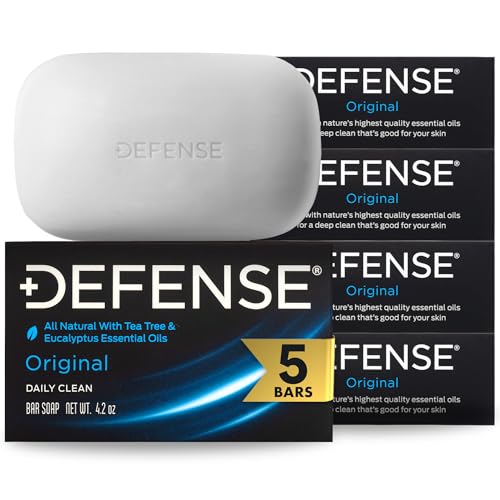
Defense Soap Tea Tree Bar (5-pack)
- Tea tree and eucalyptus oils
- No SLS or added fragrance
- Five bars
$30.99 at Amazon, as of Nov 17, 2026 01:07 UTC
Check price on Amazon
Shock Doctor Gel Max Mouthguard
- Gel-fit mouthguard
- Youth and adult sizes
$11.99 at Amazon, as of Nov 17, 2026 01:07 UTC
Check price on AmazonWhat prevention cannot do
Even careful athletes get hurt in a contact sport with joint locks and chokes. Prevention lowers the odds; it cannot promise a safe season, and good habits do not replace a coach who stops unsafe rolling.
When to see a professional
See a sports medicine doctor, physical therapist or athletic trainer if pain stays in one spot, shows up at rest, causes swelling or a feeling of the joint giving way, or changes how you move. Use the CDC HEADS UP approach for head impacts: recognize the signs, stop training, and have a healthcare provider decide when to return. Call 911 for repeated vomiting, a seizure, one pupil larger than the other, severe neck pain or numbness in both arms or legs. For injury patterns and rehabilitation, see BJJ injuries.
FAQs
Does a warm-up prevent BJJ injuries?
We found no BJJ-specific trial. In the judo IPPON trial, injuries were 23% versus 28% and the difference was not statistically significant. A warm-up is still a sensible habit.
What is the best way to avoid injury in BJJ?
Tap early, agree the pace with partners, build training time slowly and keep your skin clean. These are habits, not guarantees.
Are heel hooks dangerous?
A 2026 study of IBJJF brown and black belt matches found knee injuries at 26.5 per 1,000 matches with heel hooks allowed versus 2.2 without. The IBJJF allows them only in adult brown and black belt no-gi divisions.
How do I avoid skin infections?
The NATA position statement advises showering after every practice, not sharing towels or gear, washing training clothes daily and getting a clinician’s clearance before returning with a lesion.
Should kids wear a mouthguard in BJJ?
The AAP supports mouthguards for the mouth and teeth but says there is no evidence they reduce concussion. Ask the pediatrician and the academy.
Sources
- IBJJF: rule book and illegal techniques chart
- IPPON program development (PubMed 33033621)
- IPPON randomized trial (PubMed 36717214)
- BJJ injury rates, 881 practitioners (PubMed 40092168)
- Heel hook knee injuries in IBJJF matches (PubMed 41549501)
- Breakfall biomechanics review (PubMed 35409940)
- IOC consensus on training load (PubMed 27535989)
- ACSM position stand (PubMed 21694556)
- AAP: Youth Participation and Injury Risk in Martial Arts
- US BJJ survey on medical conditions (PubMed 29910398)
- NATA position statement: skin diseases
- CDC HEADS UP: signs and symptoms
- CDC HEADS UP: response
General information for education only, not medical advice. It does not replace a sports medicine doctor, physical therapist or athletic trainer who knows you. Read how we work in our editorial policy. Back to the Brazilian jiu-jitsu hub or the sports hub.