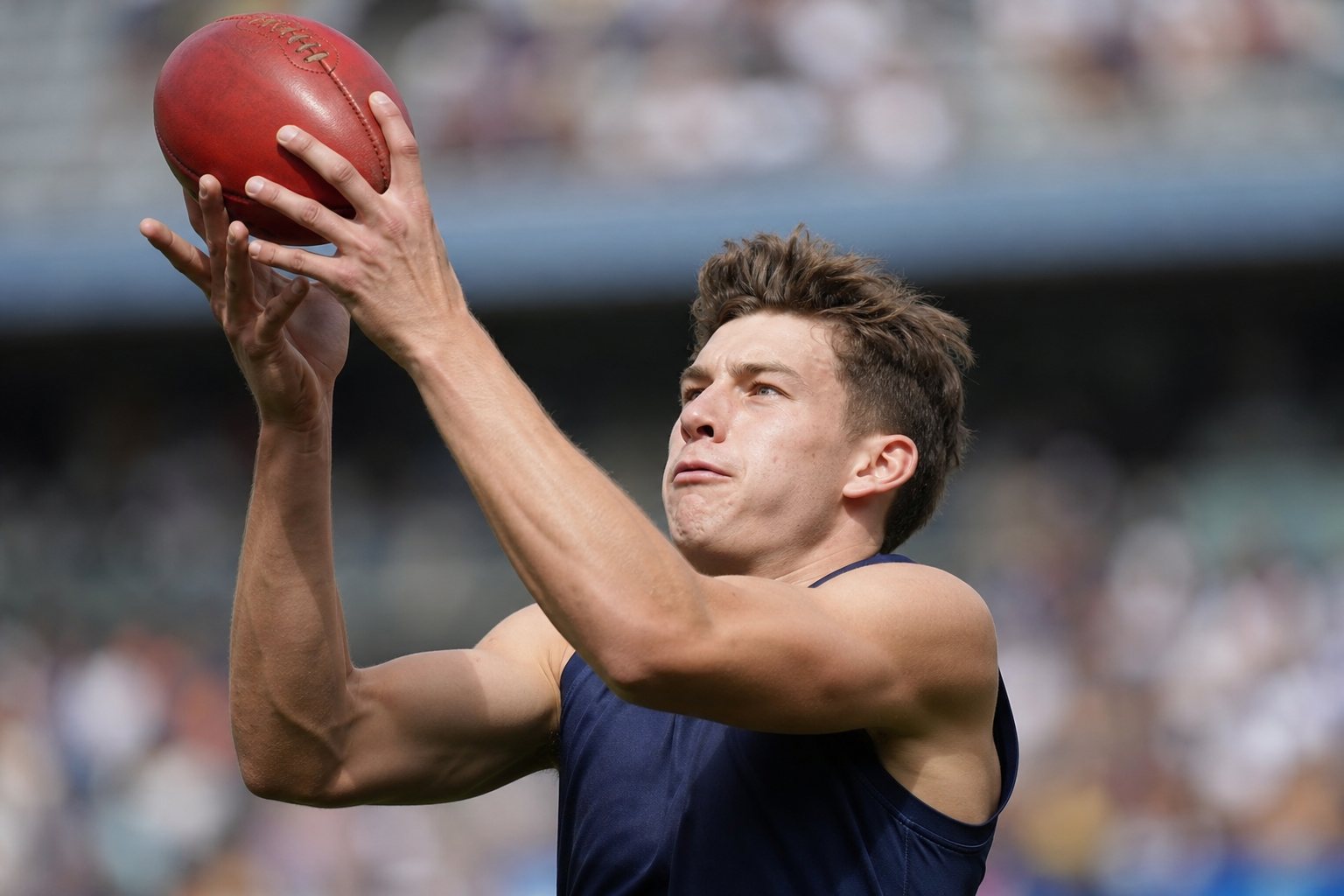
Saturday, 11 a.m. start, in July heat. A player skipped breakfast because she was nervous, sipped a little water in the car, and by the second quarter her legs are heavy and her kicks are short. Australian rules football nutrition is how you fuel and hydrate for a sport of long running, repeated sprints and contact, and how you protect your health while doing it. The research on footy players is clear on one point: many do not eat enough carbohydrate for the work they do.
Quick answer: Players need enough total food, especially carbohydrate, before and during matches, plus fluids in the heat. Studies of Australian players found most did not meet carbohydrate recommendations. Supplements play a small role: the IOC says only a few, including caffeine and creatine, have good evidence, and some products carry a risk of banned substances, so pick third-party-tested products and talk to a doctor or dietitian first.
Recovery eating is also on the recovery page. Training is on the training page. The sport overview is on the hub. General information only.
What the research on footy players shows
In a 2020 study of 42 professional men across two weekly match cycles, players ran about 13 km on game day, but daily carbohydrate intake on the days before games was reported as 1.8, 1.4, 2.5 and 4.5 grams per kilogram of body mass four, three, two and one days before. The authors said the low absolute numbers probably reflect under-reporting, but also that players appear to under-consume carbohydrate relative to training and competition demands. Players took in about 59 g of carbohydrate during games, 75% from fluids rather than gels.
Women show similar patterns. In a 2024 study of 17 AFLW players across five home matches, 71% met their predicted daily energy needs, but 82% fell short of minimum daily carbohydrate recommendations, no one met the guidance for the two hours before a match, and only 24% met it during matches. A separate 2024 study following 19 AFLW players through a season found carbohydrate intake of about 3.6 g per kilogram a day at the start of pre-season, falling to about 3.1 to 3.2 later, and over 80% below minimum recommendations at each point. Nutrition knowledge was rated poor and 42% were at risk of low energy availability on a questionnaire. These are small samples of elite players, but they show the problem is common even with support.
Everyday eating and match-day fuel
The American College of Sports Medicine, the Academy of Nutrition and Dietetics and Dietitians of Canada recommend a pre-exercise meal high in carbohydrate, moderate in protein and low in fat and fiber, made of familiar foods about one to four hours before. For footy that means a proper breakfast or lunch before a match, not a nervous coffee. During longer sessions, the 2020 study suggests fluids with carbohydrate are one practical route. Try anything new in training, never on match day. After the match, include carbohydrate and protein; in the AFLW study every player met post-match targets, so this is the easy win. A registered dietitian or sports dietitian can set numbers for your size and level.
Hydration and heat
The ACSM position stand on fluid replacement says to start exercise well hydrated, drink during exercise to prevent excessive dehydration (more than 2% body weight lost as water), and replace losses afterwards, with an individual plan because sweat rates differ widely. Weighing yourself before and after training is one way to estimate your own sweat rate. The National Athletic Trainers’ Association recommends 7 to 14 days to adapt to heat, and says to call 911 for confusion, collapse or other heat illness warning signs. For hot-weather drinks, see our electrolyte powder guide; electrolyte products are not for everyone, so ask a doctor if you have kidney or heart conditions or high blood pressure.
Energy availability and RED-S
Relative Energy Deficiency in Sport (RED-S, called REDs by the IOC) happens when an athlete’s food intake is too low for training plus health needs. The IOC’s 2023 consensus statement covers both female and male athletes and lists possible effects on bone, hormones, iron, the immune system, mental health and performance. The 2024 AFLW season study found 42% of players at risk on a screening questionnaire. Australian rules has no weight classes, but the pressure to be lighter or leaner can still appear. The IOC prevention paper advises de-emphasising weight and leanness, particularly for young and sub-elite athletes. Warning signs include missed periods, frequent illness or stress injuries, constant fatigue and a growing fear of food; take these to a doctor or sports dietitian.
Iron
In a 2025 study of 30 elite female players, about 80% of ferritin (iron store) readings fell between 9 and 60 micrograms per litre. Players with low stores (under 40 micrograms per litre) were up to 13% weaker on some lifts in week one of pre-season, but the groups did not differ substantially by week ten. The 2024 season study found serum iron within the recommended range for 95% of players. Low iron needs a blood test and a doctor, not self-treatment with supplements.
Supplements: what the sports bodies say
The IOC consensus statement on dietary supplements says nutrition makes a small but valuable contribution to performance, supplements contribute only a little, and only a few (including caffeine, creatine, buffering agents and nitrate) have good evidence of benefit. It says a complete nutritional assessment should come before supplement decisions, that anything new should be trialled in training first, and that inadvertent ingestion of banned substances is a known risk with some products. The International Society of Sports Nutrition has position stands on creatine and caffeine, and neither means they are right for everyone: caffeine suits some and not others (sensitivity, sleep, heart conditions, pregnancy).
- Third-party testing: look for NSF Certified for Sport or Informed Sport on the label for any supplement you use.
- Banned-substance awareness: if your league follows anti-doping rules (for example at elite or national level), check them before using any product; we did not review the current rules for US club football.
- Young players: teens should talk with a doctor or dietitian before any supplement, and most need food, not powders.
- Dosage: follow the label and your doctor; we give no dosing advice.
Australian rules football nutrition FAQs
What should I eat before a game?
A meal high in carbohydrate, moderate in protein and low in fat and fiber, made of familiar foods, about one to four hours before, according to ACSM, the Academy of Nutrition and Dietetics and Dietitians of Canada.
Do footy players eat enough carbohydrate?
Studies of professional men and women found most did not meet carbohydrate recommendations, though self-reports can under-count. Players who are unsure should see a sports dietitian.
Do I need electrolyte drinks?
Not always. The ACSM says drinks with electrolytes and carbohydrate can help in certain situations, such as long or hot sessions, and plans should be individual. Ask a clinician if you have heart, kidney or blood pressure conditions.
Which supplements have good evidence?
The IOC lists caffeine, creatine, buffering agents and nitrate as having good evidence, with big differences between individuals. Food comes first, and a doctor or dietitian should review the choice.
How do I know a supplement is safe for sport?
No label guarantees it, but third-party certification such as NSF Certified for Sport or Informed Sport lowers the risk of banned-substance contamination. Check with a doctor, dietitian and your league’s rules.
Sources
- Training load and carbohydrate periodization of elite male Australian football players (2020)
- AFLW match-day energy and nutrient intake compared with recommendations (2024)
- Seasonal health tracking of AFLW athletes (2024)
- Iron status and strength and power in elite female Australian rules players (2025)
- ACSM, Academy of Nutrition and Dietetics, Dietitians of Canada: Nutrition and Athletic Performance (2016)
- ACSM position stand: Exercise and fluid replacement (2007)
- NATA: Exertional Heat Illnesses position statement
- IOC consensus statement on REDs (2023)
- IOC: REDs prevention (Torstveit et al., 2023)
- IOC consensus statement: dietary supplements and the high-performance athlete (2018)
- ISSN position stand: creatine supplementation (2017)
- ISSN position stand: caffeine and exercise performance (2021)
General information for education only, not medical advice. It cannot replace a sports medicine doctor, physical therapist or athletic trainer who knows you. See how we research and write in our editorial policy.