This article contains affiliate links: if you buy through them we may earn a commission, at no extra cost to you. Read our affiliate disclosure.
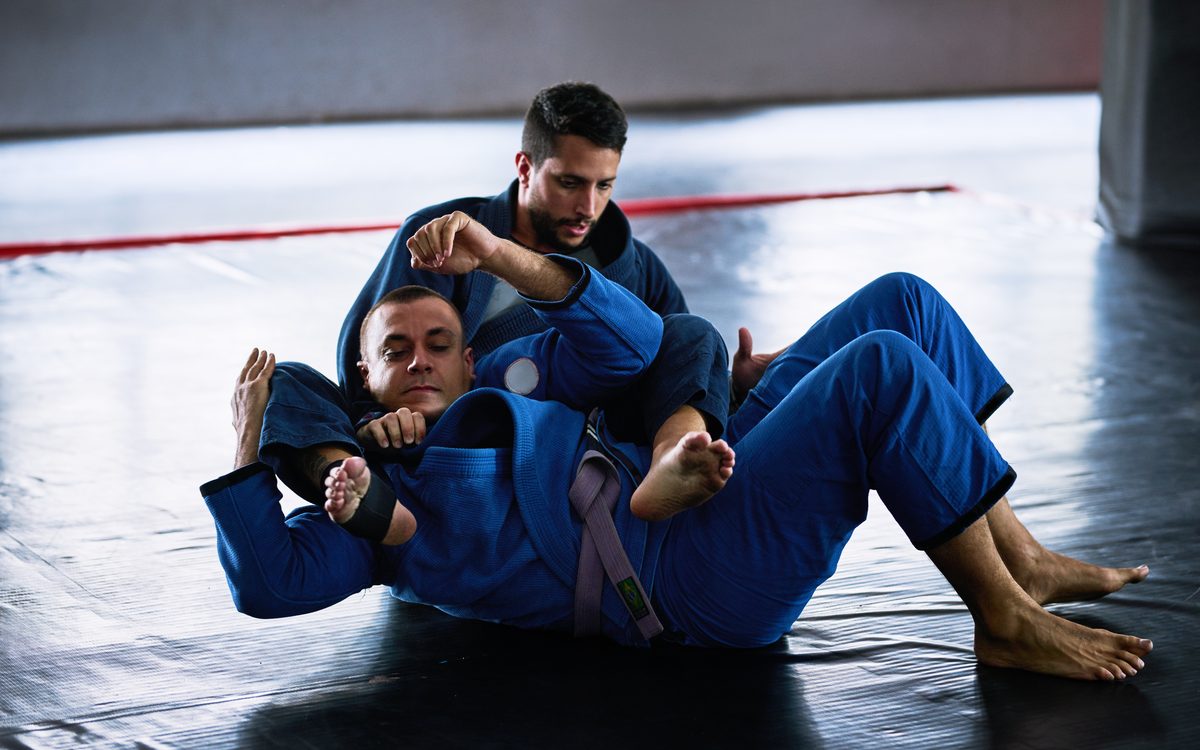
The tap comes a half second late. Your training partner releases right away, but your knee already feels wrong, and you sit on the mat holding it. BJJ injuries follow patterns. Knees, shoulders, elbows, fingers and the skin lead the lists, and most of them happen in sparring, not in competition. This page explains those patterns with the numbers from published studies, and what general rehabilitation principles look like. It is not a diagnosis.
Quick answer: In BJJ studies, the knee is the most-injured joint (27.1% in one survey of 1,140 athletes, 25% in another of 881), and most injuries happen in sparring. Elbows, shoulders, fingers and skin infections come next. Do not diagnose yourself and do not decide alone when to come back: see a sports medicine doctor, physical therapist or athletic trainer, and call 911 for danger signs after a head or neck injury.
What the numbers show
- Survey of 1,140 BJJ athletes (Orthopaedic Journal of Sports Medicine, 2021): the knee was the most injured joint at 27.1%, 77.6% of injuries happened in sparring, and the common diagnoses were meniscus, ACL and MCL injuries.
- 881 practitioners (BMJ Open Sport and Exercise Medicine, 2025): 5.5 injuries per 1,000 hours of training and 55.9 per 1,000 matches; knees 25% and shoulders 13%; 89% of injuries happened in training, and 79% of those in sparring.
- Hawaii tournaments, 2005 to 2011 (Orthopaedic Journal of Sports Medicine, 2014): 9.2 injuries per 1,000 exposures, with the elbow the most commonly injured joint, often during armbar attempts.
- Heel hooks (Sports Health, 2026): in IBJJF brown and black belt matches in 2021, knee injuries occurred at 26.5 per 1,000 matches when heel hooks were allowed and 2.2 when they were not, a rate ratio of 12.0.
- Children (US emergency department visits, 2012 to 2021, Hawaii Journal of Health and Social Welfare, 2025): an increasing trend, with sprains and strains 28.3%, fractures 20.1%, head 14.2% and shoulder 9.8%.
These studies use different methods (surveys, tournaments, hospital records), so the numbers cannot be compared directly. Survey answers depend on memory, and emergency department data only count the worst injuries.
Knees, elbows and shoulders
Knee injuries often involve twisting under load, and meniscus, ACL and MCL injuries were the common diagnoses in the 1,140-athlete survey. Elbow trouble is linked in the Hawaii study to armbar attempts. The AAP martial arts report notes that joint locks hold a joint at the end of its range, so tapping early matters. Shoulder separations and elbow dislocations are described by the American Academy of Orthopaedic Surgeons (AAOS) OrthoInfo as injuries that follow a fall or a forced position. Swelling, a joint that gives way, a pop or loss of motion are reasons to be examined, not to roll on.
Fingers and hands
A US BJJ survey (Cureus, 2023) found the hand and fingers the most common fracture location. AAOS OrthoInfo describes flexor tendon injury, known as jersey finger, as a tendon pulled off the bone that usually affects the ring finger and cannot heal on its own, and describes finger fractures as swelling, tenderness, trouble moving the finger and sometimes a visible deformity. Gripping the gi is the usual setting. IBJJF rules require short fingernails. A finger that will not bend is a reason for a clinician visit.
Head and neck
Head impacts happen in BJJ, and chokes can cause brief loss of consciousness. The CDC HEADS UP approach is to recognize the signs (headache, dizziness, confusion), remove the athlete from training, and let a healthcare provider decide on return. The 2022 Amsterdam consensus statement describes an initial period of relative rest of 24 to 48 hours followed by light activity, under clinician guidance. Call 911 for repeated vomiting, a seizure or one pupil larger than the other. Severe neck pain or numbness in both arms or legs is an emergency. AAOS OrthoInfo describes burners and stingers as nerve injuries from the neck or shoulder, and they need assessment.
Skin infections
In a US BJJ survey (Sports, 2017), skin infections were the most common medically diagnosed condition, mostly on the hands and fingers. The NATA position statement says lesions should be assessed and cleared before you return to the mat. IBJJF rules include a skin check at inspection, and a lesion can send you to the medical area.
Rehabilitation principles
We cannot give a recovery time, because it depends on the injury, the person and the clinician’s findings. These general principles are widely stated by the sources above: get an assessment for anything that persists; follow the plan from your clinician and physical therapist; return gradually, not all at once; and do not return to full sparring until a healthcare provider says so. Many athletes keep training around an injury (conditioning, or drilling the uninjured side) if their clinician agrees. Our recovery page covers sleep, load and soreness.
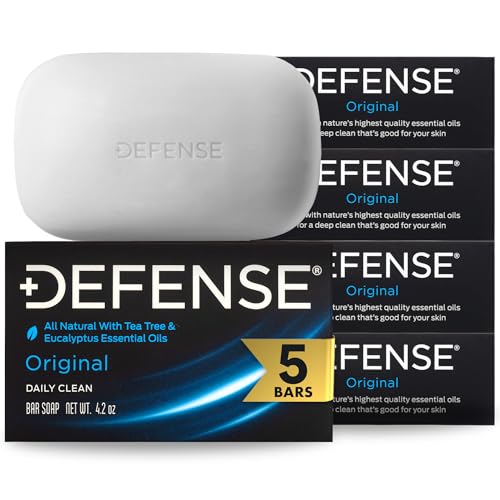
Defense Soap Tea Tree Bar (5-pack)
- Tea tree and eucalyptus oils
- No SLS or added fragrance
- Five bars
$30.99 at Amazon, as of Nov 17, 2026 02:07 UTC
Check price on Amazon
Shock Doctor Gel Max Mouthguard
- Gel-fit mouthguard
- Youth and adult sizes
$11.99 at Amazon, as of Nov 17, 2026 02:07 UTC
Check price on AmazonWhen to see a professional
See a sports medicine doctor, physical therapist or athletic trainer for pain that persists past a few days, swelling, a joint that locks or gives way, numbness, a finger that will not straighten, or a skin lesion. Use emergency services for head or neck danger signs. To lower the risk in the first place, see injury prevention.
FAQs
What is the most common injury in BJJ?
Knee injuries lead in the studies we found: 27.1% in a survey of 1,140 athletes and 25% in one of 881 practitioners. Most happen in sparring.
How common are injuries in BJJ?
One 2025 study of 881 practitioners reported 5.5 injuries per 1,000 hours of training and 55.9 per 1,000 matches. Methods differ between studies.
Are heel hooks really that risky?
In a 2026 study of IBJJF brown and black belt matches, knee injuries were 26.5 per 1,000 matches with heel hooks allowed versus 2.2 without.
When can I roll again after an injury?
That is for a healthcare provider to decide. We cannot give a universal time. See a sports medicine doctor, physical therapist or athletic trainer.
What should I do after a head knock in training?
Stop, tell your coach, and see a healthcare provider before returning (CDC HEADS UP). Call 911 for repeated vomiting, a seizure or one pupil larger than the other.
Sources
- BJJ injury patterns, 1,140 athletes (PubMed 34988235)
- BJJ injury rates, 881 practitioners (PubMed 40092168)
- BJJ tournament injuries in Hawaii (PubMed 26535299)
- Heel hook knee injuries (PubMed 41549501)
- Pediatric BJJ emergency department injuries (PubMed 41567655)
- US BJJ survey, finger and hand (PubMed 37187642)
- US BJJ survey, medical conditions (PubMed 29910398)
- AAP: Youth Participation and Injury Risk in Martial Arts
- AAOS OrthoInfo: Flexor Tendon Injuries
- AAOS OrthoInfo: Finger Fractures
- AAOS OrthoInfo: Elbow Dislocation
- AAOS OrthoInfo: Burners and Stingers
- CDC HEADS UP: signs and symptoms
- CDC HEADS UP: response
- Amsterdam 2022 concussion consensus (PubMed 37316210)
- NATA position statement: skin diseases
- IBJJF: rule book
General information for education only, not medical advice. It does not replace a sports medicine doctor, physical therapist or athletic trainer who knows you. Read how we work in our editorial policy. Back to the Brazilian jiu-jitsu hub or the sports hub.