This article contains affiliate links: if you buy through them we may earn a commission, at no extra cost to you. Read our affiliate disclosure.
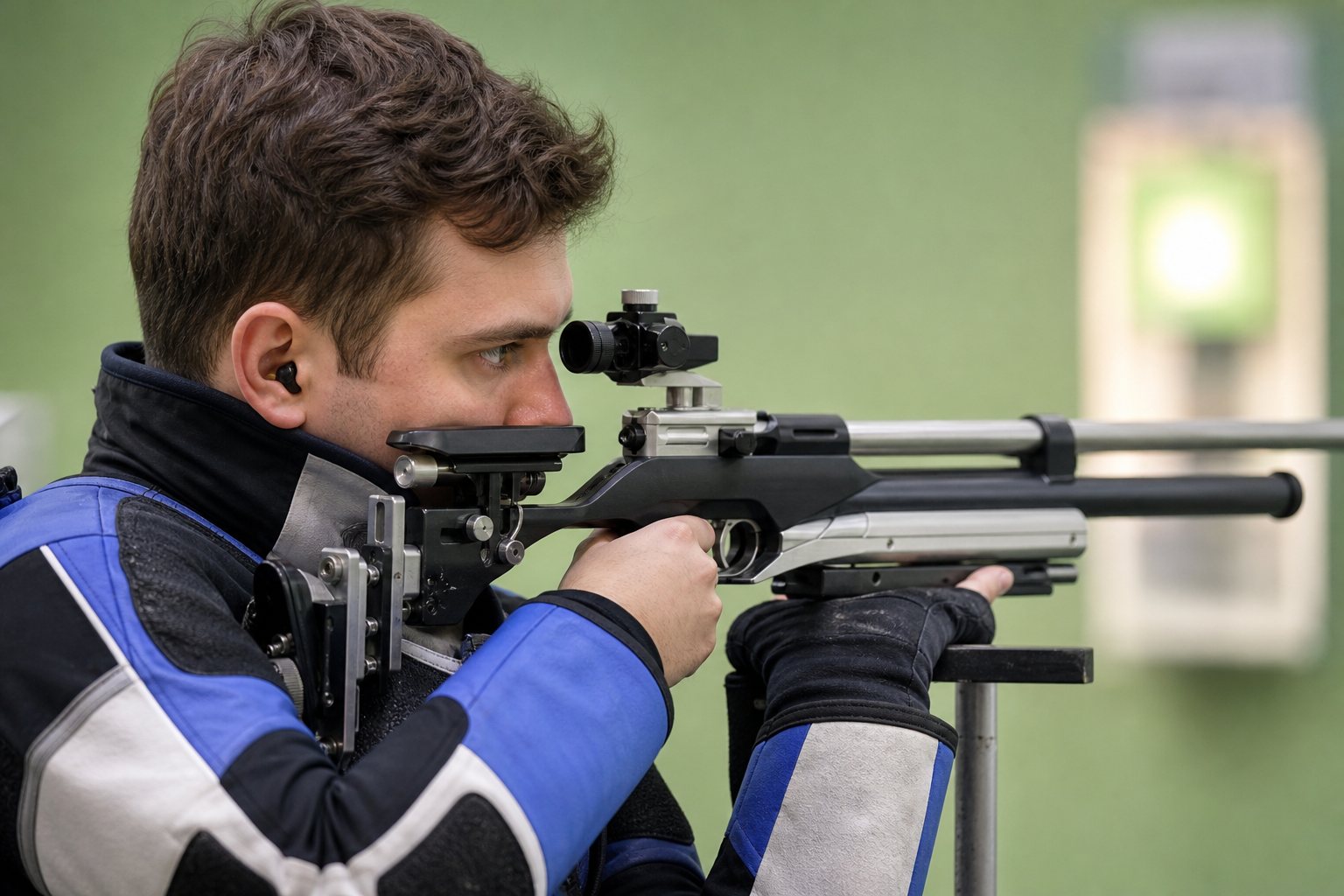
At equipment control before a match, an official checks that the shooter’s stand, chair and rifle meet the rules, and a setup that felt perfect in practice has to pass. Para shooting gear is mostly about a repeatable, comfortable and rule-compliant support system around the firearm. This page covers what matters, how to fit and inspect it and the difference between rules and maker claims. We do not link firearms, ammunition or weapon accessories as products on this site; those choices depend on class, event and local law, and belong with your coach and range.
Quick answer: What matters most is a stable, comfortable, rule-compliant setup: a chair, stool or stand fitted to you, checked at equipment control under World Shooting Para Sport rules. Firearms, ammunition and weapon accessories are not linked here. Eye and ear protection are a basic range rule per the NSSF. The three product cards below are support items for long days, not shooting equipment and not tested standards.
What the rules check
World Shooting Para Sport publishes technical rules (the 2026 rulebook, in effect from January 2026), an equipment control sheet and, for vision-impaired shooters, VI technical specifications on its rules page. Per the IPC classification page, SH2 rifle athletes use a shooting stand to support the rifle. Paralympic.org’s introduction notes that rifle positions can be adapted, including from a wheelchair. We have not reproduced limits for equipment dimensions, because the rulebook is the authority and changes by edition; always read the current version and the equipment control sheet before buying or modifying anything.
Support systems: chairs, stools and stands
Seating and supports decide how long you can hold a good position. General guidance, not a standard: have the seat height, back support and foot position set with a coach and, if you have one, a physical therapist; choose supports that let you change position; and check the setup against the equipment control sheet. If you sit for hours, ask your clinician about cushioning and skin checks. Maker claims about cushions and supports are not tested standards unless the maker names an independent test, and we have found none to cite.
Eye and ear protection
The NSSF’s rules of safe gun handling say shooters should always wear eye and ear protection. A review of noise at shooting setups found peak levels of 140 to 175 dB, and a study of youth setups found all 26 above the WHO 120 dB level. Your range may require specific types; ask the range officer. We do not link protective gear here, because the right choice depends on your event and head, hearing aid or vision needs.
Clothing and fit
Where the rules allow jackets, gloves or slings, fit and comfort matter more than brand. Try items in practice, not first on match day. Footwear and clothing for long days should be comfortable and suited to the venue.
Travel and match-day kit
General practice, not a rule: pack your classification papers and equipment control documents in one place, bring spare straps and small tools your range allows, and plan how you will carry equipment through airports and venues. Check the competition’s technical information for what you may bring into the range and what the organiser provides. If you rely on a mobility device, confirm access routes and the firing-line space in advance with the organiser.
Inspect before every session
- Check stands, chairs and straps for loose parts, wear or cracks.
- Ask the range officer or armourer to check firearms and your adaptive setup before live fire.
- Re-check fit after any change in seating, cushions or clothing.
- Keep equipment control papers and class cards together for matches.
Support items for long match days
These are everyday items, not shooting equipment, already used on other pages of this site. They are not endorsements by any athlete or expert, and the details come from the product listings. See the recovery page for how to use a day well.

Nalgene Sustain 32 oz
- 32 oz, wide mouth
- BPA-free
- Easy to carry to the line
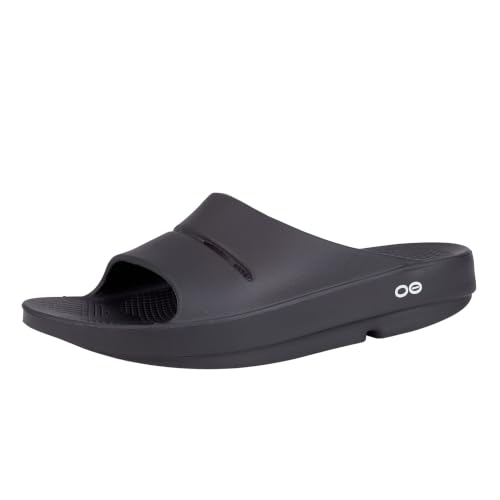
OOFOS OOahh Slide
- OOfoam slide
- APMA Seal of Acceptance
- Machine washable
$59.95 at Amazon, as of Nov 17, 2026 02:07 UTC
Check price on Amazon
TriggerPoint GRID 1.0 Foam Roller
- 13 in multi-density
- Hollow core
- Foam rolling for comfort
Related: para shooting hub, sport shooting and para archery.
Frequently asked questions
What gear does a para shooter need?
It depends on class and event. The IPC says SH2 rifle shooters use a shooting stand; all setups are checked under WSPS equipment control. Your coach and range officer guide the rest.
Are shooting chairs and stands regulated?
Equipment control under WSPS rules checks setups for matches. Read the current rulebook and equipment control sheet.
Do you recommend firearms or ammunition?
No. We do not link firearms, ammunition or weapon accessories on this site.
Do I need eye and ear protection?
The NSSF says shooters should always wear them, and ranges often require them. Ask your range.
Are the product cards shooting equipment?
No. They are everyday support items for a long day.
Sources
- World Shooting Para Sport: rules and regulations
- Paralympic.org: classification in shooting Para sport
- Paralympic.org: Paris 2024 introduction to shooting Para sport
- NSSF: rules of safe gun handling
- PubMed: noise exposure in shooting
- PubMed: noise at youth shooting setups
General information for education only, not medical advice. It does not replace care from a sports medicine doctor, physical therapist, athletic trainer or dietitian who knows you and your impairment. See how we work in our editorial policy.