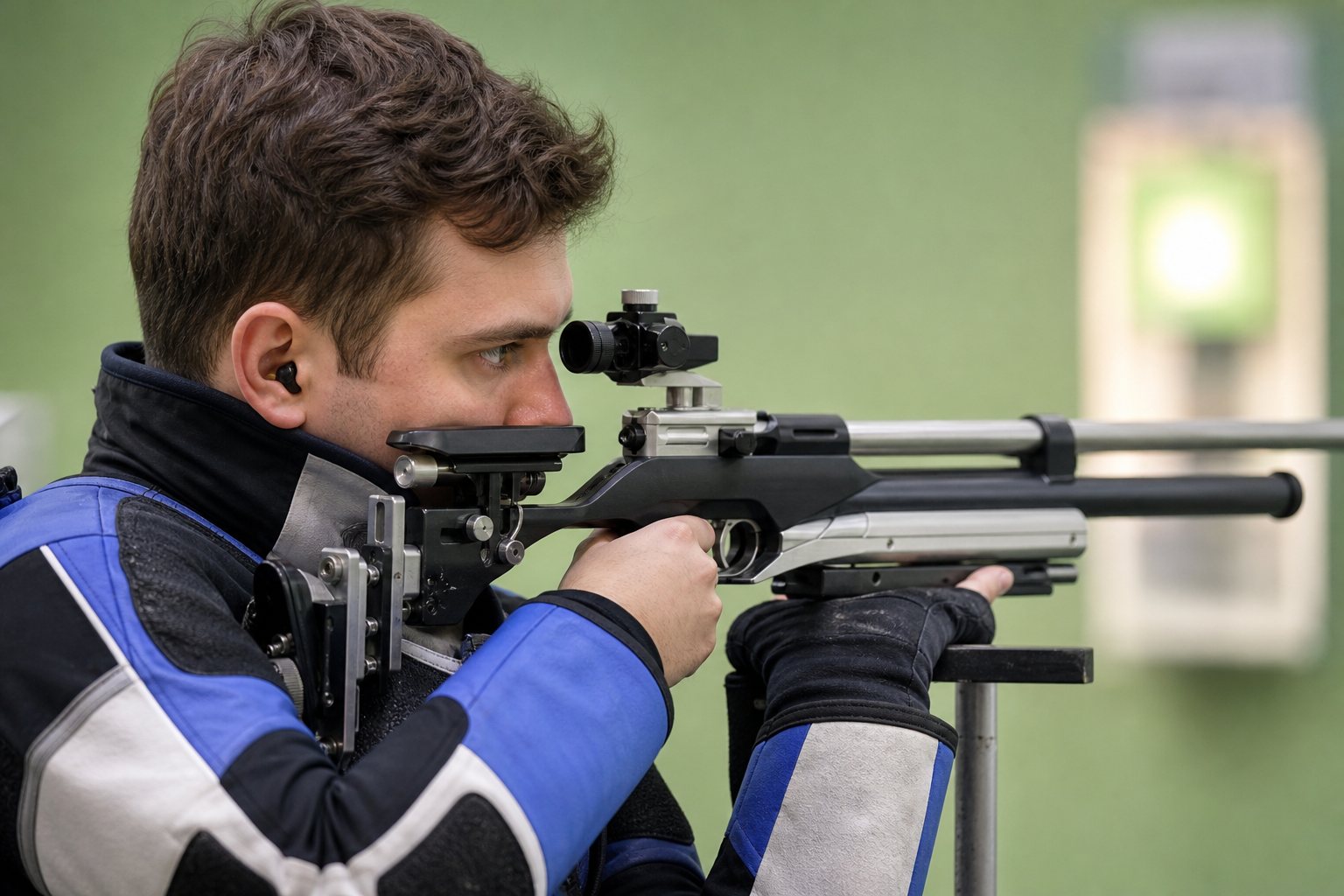
The match ends, the shooter packs the equipment and sits in the car with a stiff back and a head still buzzing from a day of concentration. Para shooting recovery is about restoring both body and attention: sleep, easy movement, load management and honest checks on what is soreness and what is pain. The evidence for specific recovery methods is thin in shooting, and we say where it is. For fuel and fluids see nutrition.
Quick answer: Sleep is the best-supported recovery tool: the CDC recommends at least 7 hours for adults and 8 to 10 hours for teens. Beyond that, easy movement, planned rest days and gradual increases in training are sensible general practice, and we found no studies of recovery gadgets in Para shooters. Normal soreness fades with rest; pain that lingers, numbness or skin problems call for a clinician.
Sleep first
The CDC recommends adults get at least 7 hours of sleep a night, and teenagers 8 to 10 hours. Match days with early starts and travel cut into sleep, so plan it like practice: a consistent bedtime in the days before, a dark cool room and, where possible, time to settle in a new place. This is general guidance, not Para shooting research.
Load management
Shooting does not leave the muscle damage of running, but it does tax posture, concentration and the muscles that hold a position. General coaching practice is to plan lighter days after long matches, add volume gradually and stop sessions when form drops. Our training page sets the weekly shape. A 2025 survey found high rates of low back pain in college rifle athletes, which is why many coaches treat back fatigue as a signal to rest.
Mobility and easy movement
Gentle mobility for the neck, shoulders, hips and trunk, easy walking or wheeling, and position changes between ranges are common practice. Seated athletes should ask a physical therapist about pressure relief and skin checks after long sitting; we found no shooting-specific source for those routines, so we give no numbers. Stretching has mixed evidence for preventing injury, so treat it as comfort rather than protection.
Recovery methods: what the evidence says
Massage tools, compression, cold or heat, and similar methods are popular. We did not find studies of them in Para shooters. Evidence in other athletes is mixed and often low quality; many athletes use them because they feel good, which can be reason enough if they are safe for you. Seated or sensation-impaired athletes should check with a clinician first, because heat, cold or pressure can cause skin problems when feeling is reduced.
Match days and travel
Long match days stretch recovery across the day. General coaching practice: eat and drink at planned times, take short breaks away from the line when the rules allow, change position or stretch gently between relays, and plan the evening so you can sleep. Travel adds sitting time and unfamiliar beds; wheelchair and seated athletes should ask a clinician about seat setup, skin checks and cooling on long trips. The Aspetar Sports Medicine Journal cites a pedometer study that found an 83% increase in steps per day in the Paralympic village compared with home training (it concerned lower-limb amputee athletes, not shooters), a reminder that unfamiliar routines can add load even for a still sport. Pack what you need so you are not rushing between venue, hotel and food, and give yourself a calm hour before the first relay.
Soreness versus injury
- Likely normal: mild, widespread tiredness or stiffness that eases within a day or two with movement.
- Check with a clinician: pain that is sharp, localised, getting worse, waking you at night, or paired with numbness, tingling, weakness, swelling or skin changes.
- Get urgent care: severe pain, loss of function or any head injury.
The sports medicine doctor, physical therapist or athletic trainer treating you decides what is soreness and what needs care. See the injuries page for patterns.
Mental recovery
Long matches are tiring for attention. Many shooters use quiet breaks, light food and a calm routine between rounds. For the mental side see mental training.
Frequently asked questions
How much sleep do I need?
The CDC recommends at least 7 hours for adults and 8 to 10 hours for teens. Individual needs vary.
Do massage guns or foam rollers help?
We found no Para shooting studies. Evidence for such tools in other athletes is mixed, and they should be used within your clinician’s advice, especially if you have reduced sensation.
Should I stretch after shooting?
Gentle mobility can feel good. Stretching has mixed evidence for preventing injury, so do not rely on it for protection.
How do I tell soreness from an injury?
Soreness is general and fades in a day or two. Sharp, worsening or persistent pain, numbness or skin changes should be checked by a clinician.
Do I need rest days?
General coaching practice includes rest days and an easy day before matches; there is no published number for Para shooters.
Sources
- CDC: sleep
- PubMed: low back pain in college rifle athletes (2025)
- Aspetar Sports Medicine Journal: principles of injury prevention in the para athlete
- Paralympic.org: Paris 2024 introduction to shooting Para sport
General information for education only, not medical advice. It does not replace care from a sports medicine doctor, physical therapist, athletic trainer or dietitian who knows you and your impairment. See how we work in our editorial policy.