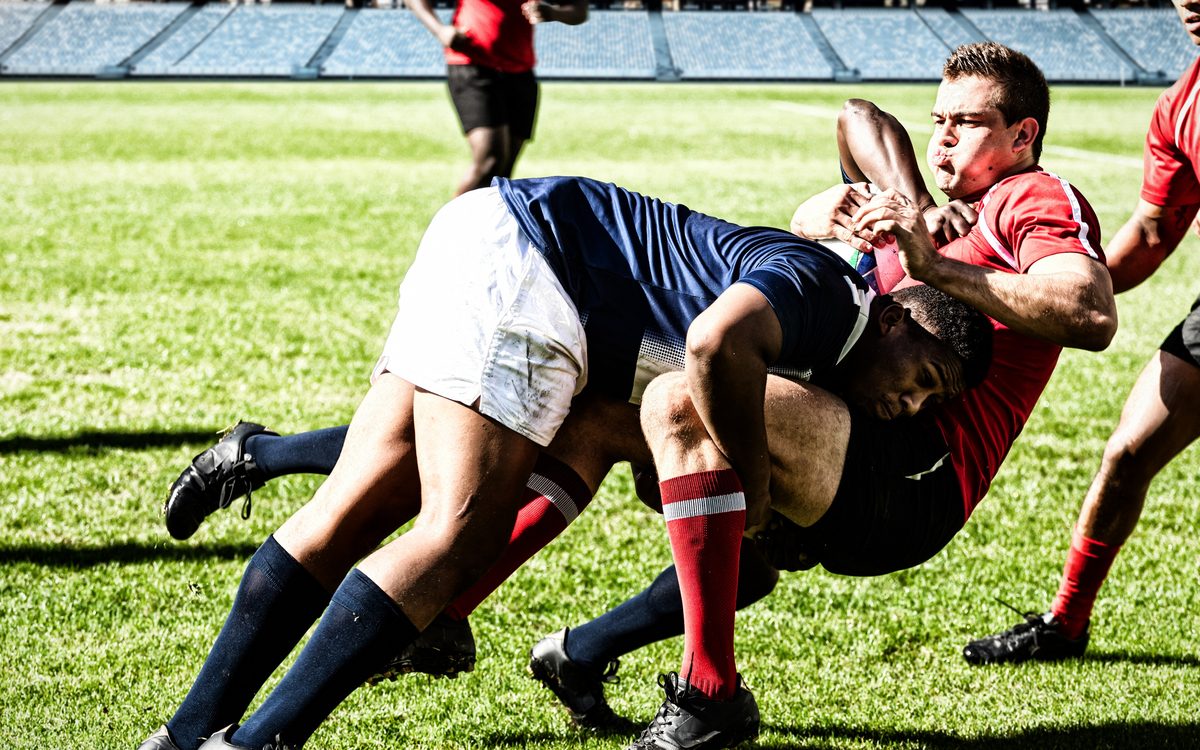
Quick answer: Fuel a rugby league week with enough total food, carbohydrate around hard sessions and matches, protein across the day and regular fluids. The American College of Sports Medicine, Academy of Nutrition and Dietetics and Dietitians of Canada say well-chosen nutrition strategies enhance performance and recovery and recommend a registered dietitian for individual plans. Supplements are a small extra: the IOC says some help, some are harmful or risk an anti-doping violation. Choose third-party-tested products and check with a doctor or dietitian first.
The kickoff is at 3 p.m., a winger has had toast at 8 and nothing since, and by the 60th minute his legs go heavy while the forwards are cramping in the heat. Rugby league nutrition is about turning a game that lasts 80 minutes, and a training week full of repeated efforts, into a food plan that works. This page covers fuel, fluids, athlete health including low energy availability, and supplements. It is general information for the rugby league hub.
Fuel for repeated efforts and collisions
The joint position statement of the Academy of Nutrition and Dietetics, Dietitians of Canada and the American College of Sports Medicine (Thomas, Erdman and Burke, 2016) says that performance and recovery are enhanced by well-chosen nutrition strategies, covering the type, amount and timing of food, fluids and supplements, and advises referring athletes to a registered dietitian for individual plans. We read its abstract, not the full text, so we do not quote its numbers. For a league player, the common-sense frame, offered as general practice, is:
- Base meals: regular meals with carbohydrate (rice, pasta, potatoes, bread, fruit), protein (meat, fish, eggs, dairy, beans) and vegetables.
- Before a match or hard session: a familiar meal with carbohydrate a few hours before, and nothing new on match day.
- During: water, and carbohydrate if the session is long or hard; the 80-minute match with a ten-minute interval (Laws, Section 7) leaves a natural window at half-time.
- After: a meal with protein and carbohydrate; this matters most when matches or sessions come close together.
Positions differ: the 2026 position review (Czyz and colleagues) found forwards heavier and stronger and backs faster, so appetite and body-mass goals vary. Do not chase a weight target without advice from a dietitian.
Hydration and heat
Play in the heat raises the risk of heat illness. The National Athletic Trainers’ Association position statement (Casa and colleagues, 2015) describes exertional heat stroke as one of the leading causes of sudden death in sport. Start sessions well hydrated, drink regularly, acclimatise gradually and know the signs: confusion, collapse or very hot skin needs an emergency call. League is also played in cold, wet winter conditions, where players still sweat and need fluids.
Athlete health: low energy availability and RED-S
Relative Energy Deficiency in Sport (REDs) arises when energy intake is too low for the energy a player spends. The International Olympic Committee’s 2023 consensus statement (Mountjoy and colleagues) describes health and performance effects in female and male athletes, notes growing evidence in males and a link with mental health, and offers guidance on safe body-composition assessment. League has no weight classes, but players trying to “make weight” for a position, cut during a season or train very hard while eating little can be at risk. Warning signs include constant fatigue, repeated illness or injury, poor sleep and mood changes. Talk to a doctor or registered dietitian if you notice them; do not try to diagnose yourself.
Supplements: what the positions say
The IOC consensus statement on dietary supplements (Maughan and colleagues, 2018) says nutrition usually makes a small but valuable contribution to performance, supplements can make a minor contribution, and use is widespread at all levels of sport. Some supplements may help, but others may harm health, performance or, through an anti-doping rule violation, an athlete’s livelihood and reputation. It recommends a full nutritional assessment before deciding on supplements.
- Third-party testing. Products certified by programmes such as NSF Certified for Sport or Informed Sport are tested for banned substances. Not every product is certified, and a label that says “natural” or “clean” is not proof.
- Banned-substance awareness. Rugby league players in tested competitions are subject to anti-doping rules. Check your anti-doping organisation (such as USADA in the US or your national body) before taking anything, because you are responsible for what you take.
- Caffeine. A 2026 meta-analysis in rugby players (Li and colleagues, 13 randomised trials) found acute caffeine was linked to small improvements in sprint performance and lower perceived exertion, a large but inconsistent effect on passing accuracy, and no clear effect on jumping or strength; observational data hinted at sleep and recovery concerns. Caffeine is not for everyone (sensitivity, heart conditions, pregnancy, young people): check with a doctor.
- Creatine and protein. Many athletes use creatine, one of the most studied supplements, and protein powders for convenience. We give no dose advice beyond the product label; ask a dietitian.
- Avoid anything that promises to “burn fat”, “boost testosterone” or “detox”, and any product that lists stimulants or prohormones.
Young players should focus on food, sleep and training. See a sports medicine doctor or registered dietitian before using supplements, especially if you are under 18, pregnant, on medicine or have a medical condition.
Frequently asked questions
What should a rugby league player eat before a match?
A familiar meal with carbohydrate a few hours before kickoff is common practice, with fluids; avoid trying new foods on match day. A registered dietitian can tailor this to your position and schedule.
Do I need supplements to play rugby league?
No. The IOC consensus says supplements make a minor contribution after a good diet, and some carry health or anti-doping risks.
Is caffeine allowed and does it work?
A 2026 meta-analysis found small sprint benefits in rugby players. Rules on caffeine can change, so check your anti-doping body, and consider sleep and tolerance.
What is RED-S?
Relative Energy Deficiency in Sport: health and performance problems that follow low energy availability. The IOC 2023 statement covers women and men. See a doctor if you suspect it.
How do I pick a safe supplement?
Look for third-party testing for sport (NSF Certified for Sport or Informed Sport), check your anti-doping rules, and speak to a doctor or dietitian first.
How much water should I drink?
There is no single number. Drink regularly, start hydrated and drink more in the heat; ask a dietitian for a plan, especially for long matches.
Sources
- Thomas, Erdman and Burke 2016, ACSM/AND/DC joint position, Nutrition and Athletic Performance, PMID 26891166
- Maughan et al. 2018, IOC consensus statement on dietary supplements, PMID 29540367
- Mountjoy et al. 2023, IOC consensus statement on REDs, PMID 37752011
- Li et al. 2026, acute caffeine in rugby players, PMID 42490897
- Casa et al. 2015, NATA position statement on exertional heat illnesses, PMID 26381473
- Czyz et al. 2026, PMID 42647354
- International Rugby League, Laws of the Game 2026
General information for education only, not medical advice. It does not replace a visit with a sports medicine doctor, physical therapist or athletic trainer. See how we research and write our pages in our editorial policy. Related: recovery, the rugby league hub and sports hub.