This article contains affiliate links: if you buy through them we may earn a commission, at no extra cost to you. Read our affiliate disclosure.
Between the jump and the race, an athlete changes almost everything: skis, boots, bindings and suit. A pair of jumping skis lies in the snow next to the slim racing skis waiting for the second half. Nordic combined gear is therefore two kits, one for each half, plus the layers and training tools that keep an athlete warm and fit. This page explains what matters, how to check it and where rules and maker claims differ.
Quick answer: You need a jumping kit and a cross-country kit, and both are specialist equipment best bought through a club or specialty shop, not guessed online. Rules tie jump ski length to body size and set minimums for race skis. Helmet standards are real but limited. The picks below cover training and warmth, not the specialist equipment. If gear is hurting or you are unsure of fit, ask a coach or a shop.
Two kits, two sets of rules
NBC Olympics explains the difference. Jumping skis are about 2.5 metres long and roughly twice as wide as normal skis, with bindings that hold the heel, while cross-country bindings attach only at the toe. For the jump, the maximum ski length is 145% of body height, based on a minimum BMI of 21, so lighter athletes get shorter skis. Cross-country skis are about 100 mm shorter than the skier’s height and must weigh at least 750 grams without bindings. These are Olympic-level rules; local clubs may use junior sizes and different limits.
Jumping kit: what to check
- Skis and bindings: issued by clubs for beginners; length and binding position are regulated at competition (NBC Olympics). Never adjust bindings yourself.
- Suit: regulated at competition for thickness and size tolerance (NBC Olympics reports 4 to 6 mm and a 2 cm tolerance). A suit that fits one season may not fit the next in a growing teenager.
- Boots: jumping boots have a low front cut that lets the ankle flex forward (NBC Olympics).
- Helmet and mouthguard: helmets are mandatory in competition jumping (NBC Olympics). Ask your club which helmet it requires. A Swiss survey of ski jumpers and combined athletes suggested mouthguards and tooth rescue boxes (Stillhard and colleagues, 2015).
Cross-country kit: the race half
For the race half, choose skis, boots and poles with a club or specialty shop and refer to our cross-country skiing gear page, which covers skis, boots, poles and waxing. The FIS cross-country rules also require a helmet and eye protection for roller-ski racing; see our cross-country skiing injury prevention page.
Standards versus maker claims
A standard is a published test. A claim is a marketing phrase. ASTM F2040 is a standard for helmets for recreational snow sports such as skiing and snowboarding; ASTM says on its page that protection is limited, and helps most at slower speeds. Helmets described as “MIPS” use a rotational layer, but whether any feature lowers injury rates is something the maker says rather than something we verified. A review of 12 studies (Russell and colleagues, 2010) found helmets reduced head injury odds in recreational skiers and snowboarders, with an odds ratio of 0.65, and no increase in neck injury; it was not a study of ski jumping. AAOS OrthoInfo advises that boots and bindings should be set, adjusted, maintained and tested by a ski shop following ASTM standards. We found no study that compares jump suit brands, and we will not rank them.
Fit and inspection checklist
- Helmet: snug, level, no gap with goggles, replace after a hard impact (shop and maker guidance).
- Boots: ask a bootfitter; try with the socks you will race in.
- Bindings: set by a qualified technician, not by feel.
- Layers: avoid cotton next to the skin; synthetic or wool base layers (retailer guidance).
- Check straps, buckles and bindings before every session.
Training and warmth picks
These cards are for training and winter comfort and are not specialist jumping or racing equipment. Check each listing yourself before you buy.
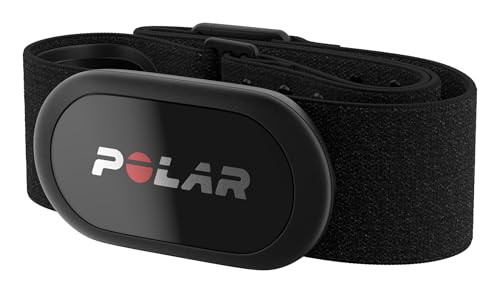
Polar H10 Heart Rate Sensor
- Bluetooth and ANT+
- Chest strap, M-XXL
- For endurance sessions

Smartwool Classic Thermal Merino Base Layer Crew
- 100% merino wool
- Midweight, slim fit
- Interlock knit
$93.75 at Amazon, as of Nov 17, 2026 02:07 UTC
Check price on Amazon
Darn Tough Vermont Solstice OTC Lightweight Ski and Snowboard Sock
- Over-the-calf, lightweight
- Ski and snowboard sock
- Knit in Vermont

HotHands Hand Warmers, 40 Pairs
- Air-activated
- Up to 10 hours
- 40 pairs
$25.60 at Amazon, as of Nov 17, 2026 02:07 UTC
Check price on Amazon
TriggerPoint GRID 1.0 Foam Roller
- 13 in multi-density
- Hollow core
- Pairs with a mobility routine
For a heart rate monitor comparison see our heart rate monitor guide; for recovery gear see the recovery tools guide and our recovery page. The hub lists the format and rules.
Frequently asked questions
Do I need to buy jumping skis?
Usually not at first. Clubs normally have beginner equipment, and ski size rules are tied to body size. Ask your club.
Can I use my cross-country skis to jump?
No. Jumping skis, boots and bindings are different from cross-country gear; use the equipment your coach provides.
Does a helmet make jumping safe?
No. It lowers head-injury risk in the studies we know (for skiing, not jumping) but protection is limited, as the standard itself says.
Should kids wear a mouthguard?
It has been suggested in a Swiss survey; talk to a dentist and your club.
Are the picks above specific to Nordic combined?
No. They are general training and winter items we also feature on other skiing pages.
Sources
- NBC Olympics: Nordic combined 101, equipment
- NBC Olympics: ski jumping equipment (as recorded for the ski jumping page)
- ASTM F2040 helmets for recreational snow sports
- Russell et al. 2010, helmets and head and neck injuries in skiers and snowboarders
- Stillhard et al. 2015, injuries in ski jumping and Nordic combined
- AAOS OrthoInfo: skiing injury prevention
- evo: ski and snowboard helmet size and fit
- evo: ski boot size chart and fitting
- evo: what to wear skiing
General information for education only, not medical advice. It does not replace a sports medicine doctor, physical therapist, athletic trainer, dietitian or qualified coach who knows you. See our editorial policy for how we write and source our pages.
Keep exploring: the Nordic combined hub, the skiing hub, ski jumping and every sport on our sports hub.