This article contains affiliate links: if you buy through them we may earn a commission, at no extra cost to you. Learn more.
A tee-ball game where half the team chases the same grounder. A Little League field on a June evening, the smell of cut grass and the snack stand, a kid on the mound who just got his first strikeout. A high school doubleheader in April, parents in folding chairs along the fence. And in October, a ballpark holding its breath on a full count. Baseball is still one of America’s biggest school sports: in 2024-25, 472,598 boys played it at 16,110 high schools, according to the National Federation of State High School Associations (NFHS). Only basketball and outdoor track and field are offered by more schools.
Baseball, page by page
- Rules: how the game works at every level
- Leagues & associations: pro, college, high school and youth
- Youth & high school: ages, safety and recruiting, for players and parents
- Injuries & sports health: prevention, concussion, when to see a pro
- Training & conditioning: before: off-season to in-season
- Game day: during: fueling, hydration, heat
- Recovery: after: games, tournaments, sleep
- Nutrition & supplements: what to eat, tested supplements
- Best wearables: trackers and watches for the sport
- Gear: the complete equipment list
Buying guide · Our Baseball buying guide compares the gear we'd pick, with prices and sizing:
This page is baseball for the people who play it and the people who look after them: how the game works, from tee ball to the big leagues and the Olympics, and, most of all, how to stay healthy playing it. Sports health is the heart of it: the baseball injuries players get most, why young arms need pitch counts and rest, protective gear, concussion and when to see a professional. Then training, recovery and gear.
Baseball at a glance
| Players per side | 9 in the field; batters take turns in a set order. |
|---|---|
| Game length | 9 innings in MLB and college, 7 in high school (NFHS), 6 in Little League’s Majors division. No game clock: an inning ends after three outs for each team. |
| Field | MLB, college and high school: 90-foot bases and a pitching distance of 60 feet 6 inches. Little League Majors: 60-foot bases and 46 feet. Intermediate 50/70: 70-foot bases and 50 feet. |
| Pitch clock | MLB: 15 seconds with the bases empty, 18 with runners on. NCAA: a 20-second action clock. |
| Governing bodies | WBSC worldwide; USA Baseball in the US; MLB for the pros; NCAA, NAIA and NJCAA for college; NFHS for high school; Little League, Babe Ruth/Cal Ripken and PONY for youth. |
| Most common injuries | Muscle strains and ligament sprains, bruises and fractures from batted or thrown balls, overuse injuries of the throwing shoulder and elbow, and concussions. |
How baseball works
Two teams take turns batting and fielding. The batter tries to hit the pitch into fair territory and run the bases without being put out; three strikes is an out, four balls a walk. A run scores each time a runner touches home, each team gets three outs per inning, and the team with more runs after the last inning wins. Ties go to extra innings.
The nine positions have numbers every scorekeeper knows: pitcher (1), catcher (2), first base (3), second base (4), third base (5), shortstop (6) and left, center and right field (7, 8 and 9). Many teams also use a designated hitter who bats for the pitcher (both MLB leagues since 2022). The rules change a lot by level, and our baseball rules page lays MLB, college, high school and Little League side by side.
The big leagues changed fast: a pitch timer, shift limits and bigger bases (18 inches square instead of 15) arrived in 2023, and in 2026 MLB added the ABS Challenge System, which lets the batter, pitcher or catcher appeal a ball or strike call to the automated system. Each team starts with two challenges and keeps one when it wins.
Baseball at every level
Kids and youth
Most kids start in tee ball at 4 or 5, then move to coach pitch or machine pitch and finally kid pitch. Little League runs divisions for ages 4 to 16, from Tee Ball (ages 4–7) to the Majors (9–12), the Intermediate 50/70 division (11–13), Junior League (12–14) and Senior League (13–16). Babe Ruth League (Cal Ripken Baseball for 4–12) and PONY run similar programs, and travel teams add tournaments on top. Our youth baseball guide covers age divisions, bats, Pitch Smart and parents’ questions.
High school
High school games follow NFHS rules: seven innings on a full-size field, with non-wood bats that meet the BBCOR standard (a -3 drop, meaning the bat’s weight in ounces is no more than 3 less than its length in inches). Since 2017, every state association has had to set its own pitching restriction policy based on pitches thrown, with required rest days. Starting with the 2027 season, NFHS rules call for a double first base or an 18-inch first base to cut collisions at the bag, and from 2028 high school players may also swing lighter USABat -4, -5 and -6 bats.
College
The NCAA runs baseball in Divisions I, II and III. The Division I tournament ends at the Men’s College World Series in Omaha; in 2026 Oklahoma beat North Carolina for the title. Tampa won Division II and Denison won Division III. Divisions I and II can offer athletic scholarships; Division III can’t. The NAIA has more than 270 member colleges playing baseball and a World Series that dates to 1957, and two-year colleges play in the NJCAA. In summer, many college players join leagues such as the Cape Cod Baseball League. More on our leagues and associations page.
Pro
Major League Baseball has 30 teams, 15 in the American League and 15 in the National League, and each plays 162 games. Twelve teams reach the postseason; the Los Angeles Dodgers won the 2025 World Series in seven games over Toronto. Below MLB, Minor League Baseball has 120 full-season affiliated teams at four levels (Triple-A, Double-A, High-A and Single-A), plus rookie leagues in Arizona, Florida and the Dominican Republic.
International and Olympic
The World Baseball Softball Confederation (WBSC) governs the sport worldwide, and USA Baseball is the national governing body in the US. At the 2026 World Baseball Classic in March, 20 teams played and Venezuela beat the United States in the final. Baseball returns to the Olympics at Los Angeles 2028, with six national teams playing at Dodger Stadium; the US qualifies as host.
Adult and recreational
Adult leagues, often split by age, keep plenty of players on the field for decades. If you’re coming back after years away, rebuild your throwing gradually and warm up before every game; the American Academy of Orthopaedic Surgeons (AAOS) recommends a preseason physical for older players as well as kids.
Sports health for baseball players
Baseball isn’t a contact sport, but AAOS notes that most serious baseball injuries come from contact anyway: with a ball, a bat, the ground, an outfield wall or another player. And the throwing arm takes a beating over a season. This section is general information, not medical advice. If you’re hurt, see a professional.
The most common baseball injuries
A national study of US high school baseball (2005–2007) counted about 1.26 injuries per 1,000 games and practices. The shoulder was the most often injured body part (17.6%), then the ankle (13.6%), the head and face (12.3%), the hand and fingers (8.5%) and the thigh (8.2%). Ligament sprains (21.0%), muscle strains (20.1%), bruises (16.1%) and fractures (14.2%) were the most common diagnoses. Most players were back within a week, but 9.4% of injuries needed surgery. About one injury in nine came from being hit by a batted ball, and almost half of those were to the head or face.
- Throwing arm overuse: pitching, overhead throws from the field and a catcher’s return throws can strain the rotator cuff in the shoulder and the ulnar collateral ligament (UCL) in the elbow, sometimes tearing it, according to AAOS.
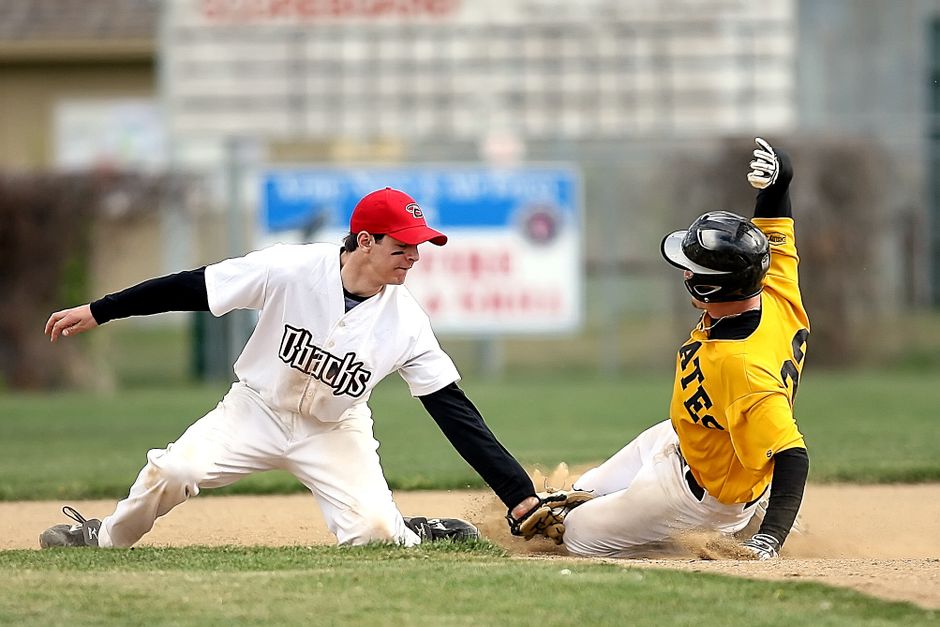
- Strains and sprains: hamstring pulls running the bases, sprained ankles and fingers, often while sliding. AAOS recommends breakaway bases and proper sliding instruction.
- Hit by the ball: bruises, fractures and concussions from pitches and batted balls, and collisions with players, walls or the ground.
Pitch counts and rest: protecting young arms
This is where baseball has the clearest health guidelines of any youth sport. Pitch Smart, from MLB and USA Baseball, sets daily pitch limits by age (50 pitches at ages 7–8, 75 at 9–10, 85 at 11–12, 95 at 13–16, 105 at 17–18) and required days of rest that grow with every pitch thrown. It also says no one should pitch three days in a row, players shouldn’t catch on days they aren’t pitching, and young pitchers should take at least four months a year off from throwing (ages 15–18: from competitive pitching). The research is sobering: in a 10-year study of 481 youth pitchers, those who threw more than 100 innings in a year were 3.5 times more likely to be seriously injured, and teen pitchers who needed surgery had pitched more, and more often through fatigue and arm pain. AAOS says to take every complaint of arm pain seriously and to get medical care for pain that doesn’t go away or keeps coming back. Our youth baseball page has the full Pitch Smart table.
Helmets, face guards and the chest
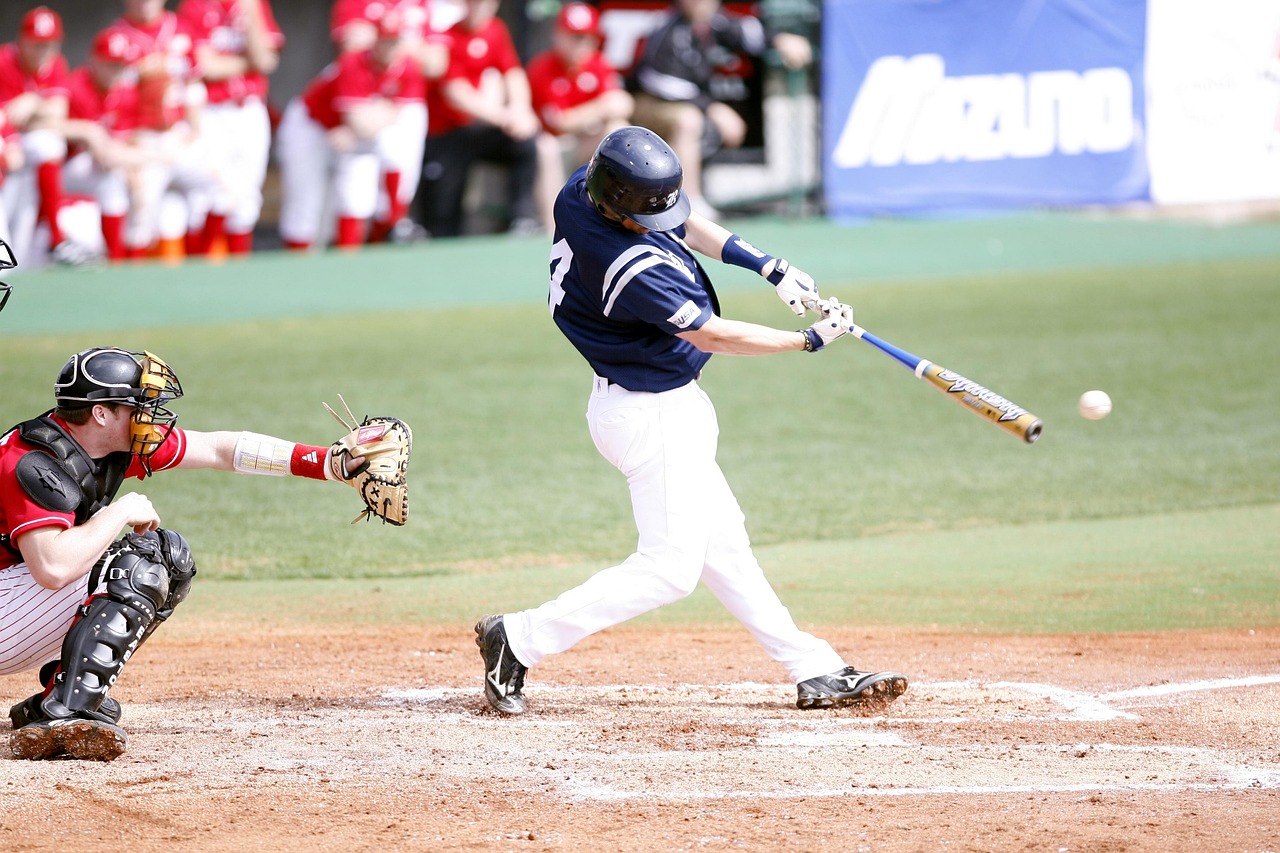
High school rules require batting helmets that meet the NOCSAE standard, with ear flaps covering both ears, for batters, on-deck batters and runners; catchers need a NOCSAE-certified helmet and mask with a throat guard, a NOCSAE chest protector, shin guards and, for boys, a cup. The authors of the national injury study recommended face shields, or at least mouthguards and eye protection, for pitchers and infielders. One rare but serious danger is commotio cordis, a cardiac arrest caused by a blow to the chest from a hard ball. NOCSAE created the first standard for chest protectors against it (ND200), and AAOS urges every field to know where its automated external defibrillator (AED) is.
Concussion: recognize and remove
The CDC’s HEADS UP program asks coaches and parents to watch for a player who looks dazed or confused or is slow to react, and to listen for headache, dizziness, balance problems, sensitivity to light or noise, or trouble concentrating. NFHS rules say a player showing signs of a concussion must leave the game and can’t return until cleared by an appropriate health-care professional.
- Remove the player from play right away after a ball to the head, a collision or a hard fall if you see signs.
- Keep them out for the rest of that day and until a healthcare provider clears them.
- Return slowly: getting back to sport goes in steps and usually takes a week or more.
- Call 911 for danger signs: seizures, passing out with growing drowsiness, a headache that gets worse and won’t go away, or one pupil larger than the other or double vision.
Heat and hydration
Summer tournaments mean long days in the sun, especially for catchers in full gear. AAOS suggests about 24 ounces of non-caffeinated fluid two hours before exercise, 8 ounces right before, and an 8-ounce cup of water every 20 minutes during play. Be ready to delay games for extreme heat or lightning. On long days many players add electrolytes (see our electrolyte powder guide).
When to see a doctor, physical therapist or athletic trainer
Don’t throw through pain. See a professional for arm pain that doesn’t settle with rest or comes back every time you pitch, a sudden pop or loss of velocity, numbness or tingling in the hand, swelling, a finger or wrist that looks out of shape, or any concussion signs. A sports medicine physician manages most sports injuries without surgery; a physical therapist guides rehab and the return to throwing. Athletic trainers are licensed or regulated health care professionals in all 50 states who work with physicians; if your school has one, start there. More on our baseball injuries page.
Training and conditioning for baseball
Off-season and preseason: this is when the arm rests and the body gets stronger. Pitch Smart’s months off from throwing are the base; after that, build the throwing load back up gradually before games start. Baseball rewards short bursts, so mix sprints and agility (see our speed training equipment guide) with leg, hip and core strength. Many pitchers add shoulder band work (see resistance bands for athletes); ask a trainer or physical therapist which exercises fit you.
In season: warm up before every practice and game; AAOS suggests easy calisthenics, light running such as running the bases, and gentle stretching of the back, hamstrings and shoulders. Track pitch counts across every team a player is on, including showcases and tournaments. The mental side matters too: mental training tools for athletes. More on our baseball training page.
Game day: the sports-nutrition position statement from the American College of Sports Medicine and two dietitians’ groups recommends a pre-exercise meal that is high in carbohydrate, moderate in protein, low in fat and fiber, made of familiar foods and eaten roughly 1–4 hours before. Doubleheaders and tournament weekends need a plan for snacks, fluids and shade between games. See baseball game day and nutrition and supplements.
Recovery after baseball games
For pitchers, the most important recovery tool is the rest day. For everyone, sleep comes first: the CDC, citing the American Academy of Sleep Medicine, recommends 9–12 hours a night for children 6–12, 8–10 hours for teens and 7 or more for adults. Then real food and fluids after the game, or a protein shake when a meal is hours away (see our protein powder guide).
Simple tools help many players feel better between games: a foam roller or massage gun for tight legs and hips after a doubleheader, and soft recovery shoes once the cleats come off. They’re about comfort, not treatment; a sore arm that doesn’t get better with rest needs a professional. More on our baseball recovery page.
Gear for baseball
- Bat: the right standard for your league. USABat for most youth leagues, USSSA (1.15 BPF) for many travel tournaments, and BBCOR (-3) for high school and college.
- Glove: sized for the position and the player’s hand. Catchers and first basemen use mitts.
- Helmet: a NOCSAE-certified batting helmet; AAOS notes that face shields can reduce the risk of facial injury.
- Cleats: AAOS suggests a snug heel, a roomy toe box and good traction; break new cleats in before game day.
Three picks for a baseball bag: the Rawlings Coolflo youth batting helmet, NOCSAE certified, vented, fits hat sizes 6½ to 7½ and pre-drilled for Rawlings face guards (about $47 on Amazon in October 2026); Jaeger J-Bands, the resistance bands many pitchers carry for arm care, with a laminated exercise sheet (about $43); and the OOFOS OOahh Slide from our recovery shoes guide for after the last out. Our baseball gear page and best wearables for baseball go further.
Rawlings Coolflo Youth Batting Helmet
- NOCSAE certified
- Hat sizes 6½–7½
- Vented, pre-drilled for face guards
Jaeger J-Bands
- Resistance bands for throwers
- Laminated exercise sheet
- Fits in a bat bag
OOFOS OOahh Slide
- OOfoam slide
- APMA Seal of Acceptance
- Machine washable
Everything in our baseball section
- Rules: MLB vs college vs high school vs Little League, the pitch clock, ABS challenges and positions.
- Leagues and associations: MLB, the minors, college, summer leagues, high school, youth organizations, the WBC and LA28.
- Youth baseball: age divisions, bat standards, Pitch Smart, specialization and recruiting.
- Injuries, training, game day and recovery.
- Nutrition and supplements, best wearables and gear.
Baseball FAQs
How many innings are in a baseball game?
Nine in MLB and college, seven in high school under NFHS rules, and six in Little League’s Majors division. Tied games go to extra innings. Baseball has no game clock, but MLB and the NCAA now use pitch clocks to keep the pace up.
What is the most common baseball injury?
In US high school baseball, the shoulder was the most often injured body part, and ligament sprains and muscle strains were the most common diagnoses. For pitchers, overuse of the shoulder and elbow is the big worry, which is why pitch counts and rest days matter so much.
How many pitches can a young pitcher throw?
Pitch Smart’s daily limits are 50 pitches at ages 7–8, 75 at 9–10, 85 at 11–12, 95 at 13–16 and 105 at 17–18, with rest days that depend on how many pitches were thrown. Little League’s limits are nearly the same, and each state sets its own high school rule.
What is the pitch clock in baseball?
In MLB, the pitcher has 15 seconds to start his delivery with the bases empty and 18 seconds with runners on; a violation is an automatic ball, and a batter who isn’t ready by the 8-second mark is charged a strike. College baseball uses a 20-second action clock.
Is baseball in the 2028 Olympics?
Yes. Baseball returns at Los Angeles 2028 with six national teams, and the games are planned for Dodger Stadium. The United States qualifies as the host country.
What bat does my child need?
It depends on the league. Little League and most rec leagues require bats with the USA Baseball (USABat) mark, many travel tournaments use USSSA bats, and high school and college require BBCOR (-3). Check your league’s rules before you buy; our baseball gear page explains each standard.
The players who last respect pitch counts, wear their helmets, warm up, sleep and speak up when the arm hurts. Keep exploring: our recovery tools guide, Nutrition & Supplements for long tournament days, our soccer guide if your kid plays a fall sport too, and every other sport on our sports hub.