Explore this hub
- Sports Injuries by Body AreaAn overview that helps athletes find sports injury guides by the part of the body affected.
- Sports Injury Types & ConditionsA plain guide to the main kinds of sports injury and how they differ.
- Joint Health for Active PeopleA plain explanation of how joints work and how active people can look after them.
- Understanding Sports Injury SymptomsA plain guide to common injury symptoms and what they can and cannot tell you.
- Sports Injury Assessment & CareA plain guide to who assesses sports injuries and what to expect from the process.
- Sports Injuries by SportEvery sport guide for this subject, from one list.
This page is for athletes, parents, coaches and active people who want to understand sports injuries in plain language: what they are, how they differ, how they are usually assessed and cared for, and when to get help. It is general education. It cannot tell you what is wrong with you, and it does not replace seeing a doctor or physiotherapist.
Use it as a map. Each section below points to a deeper hub, and the central guides cover the most common injuries in detail.
Understanding sports injuries
A sports injury is damage to the body linked to playing, training or exercising. Most involve soft tissues: muscles and tendons (strains and tendon problems), ligaments (sprains), cartilage, and the bones themselves. Some are minor and settle quickly; others need proper assessment. The tricky part is that pain alone does not tell you how serious something is, which is why symptoms matter more than guesses.
Injuries are not random bad luck. Sport demands, training load, technique, equipment, previous injury and the playing surface all shape risk. Our sports safety and injury prevention hub covers what can be done about that.
Sudden injuries and overuse injuries
Sudden (acute) injuries happen at a moment you can usually point to: a twisted ankle, a collision, a fall, an awkward landing. Sprains, strains, fractures, dislocations and head injuries often fall in this group.
Overuse injuries build slowly when the body is asked to do more than it has adapted to, often through repetition. They tend to start as an ache that is easy to ignore and gets worse. Runners, swimmers, throwers and young athletes in year-round sport are commonly affected. Read overtraining and overuse injuries for the pattern and why early attention helps.
Browse by body area
Different body areas have different typical problems. The body areas hub brings them together:
- Head and face and neck, where any serious blow needs careful handling; see concussion in sports.
- Shoulder and elbow, common in throwing, swimming and racket sports; see shoulder injuries in athletes.
- Wrist and hand and back and spine.
- Hip, groin and pelvis and knee; see knee injuries in athletes.
- Lower leg and ankle and foot; see ankle sprains.
Browse by injury type
Sometimes you know the type of injury, such as a sprain, strain, fracture or tendon problem, and want to understand it regardless of where it happened. The injury types hub explains the main categories, how they differ and what professionals usually look for.
Joint health
Joints do a lot of work in sport. Keeping them healthy is about long-term habits: sensible load, good movement patterns, strength around the joint, and attention to symptoms that keep returning. The joint health hub looks at how joints cope with repeated stress and what supports them over a sporting life, including for older and returning athletes.
Understanding symptoms without self-diagnosing
Pain, swelling, stiffness, a feeling of instability, catching or locking, numbness or weakness are all signals worth noticing. They describe what you feel, but different injuries can feel alike, and the same injury can feel different in different people. That is why internet matching is unreliable and why the symptoms hub focuses on describing and tracking what you notice so you can explain it clearly to a clinician, rather than naming a condition yourself.
Assessment and care
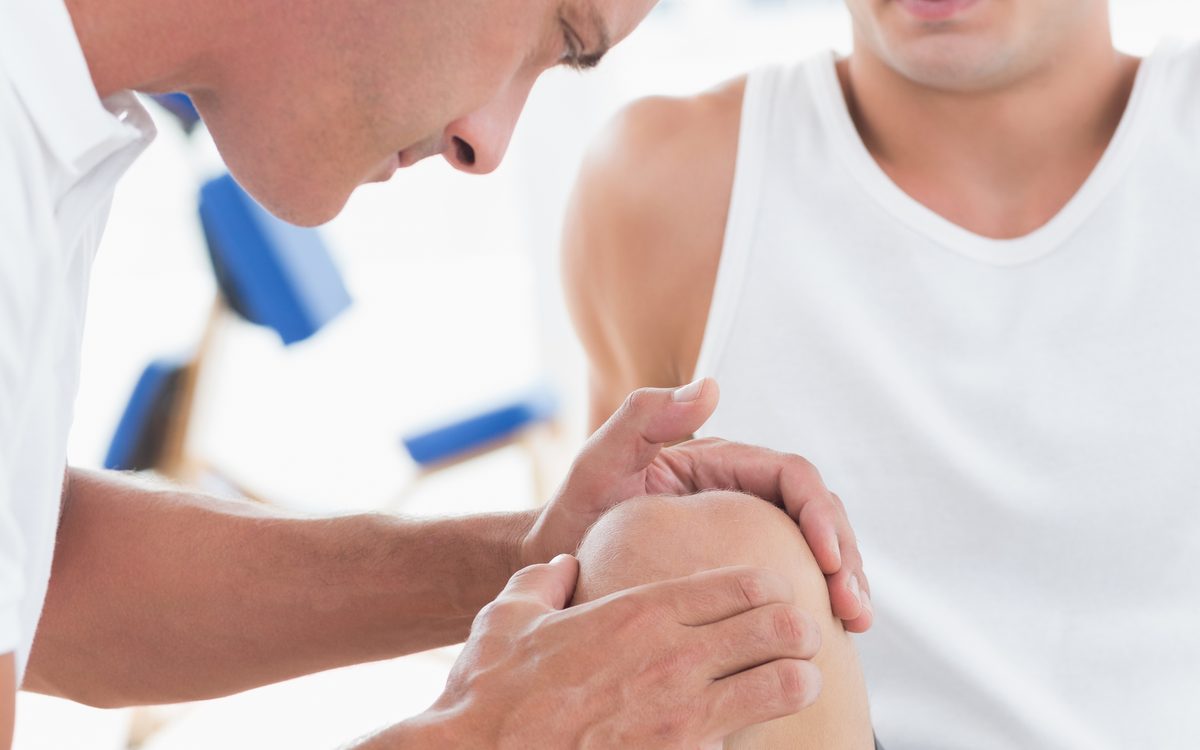
Assessment usually starts with questions about how the injury happened, then a physical examination, and sometimes imaging such as an X-ray when a fracture is suspected. Care depends on the problem and is guided by the clinician: it may include protecting the area, gradual return to movement, and physiotherapy. Many health systems allow some people to refer themselves to physiotherapy. The assessment and care hub explains what to expect, and the rehabilitation guides and return to sport hub cover getting back to training, always with professional guidance.
When to get help
The NHS advises urgent help for a sprain or strain if pain is severe or getting worse, swelling or bruising is large or spreading, you cannot put weight on the limb or walk more than a few steps, the area is very stiff, or it has not improved with self-care. It advises calling emergency services or going to emergency care if there was a cracking sound at the time, the body part looks misshapen, there is numbness, tingling or pins and needles, or the skin looks blue or grey or feels cold.
After any blow to the head, the CDC lists danger signs that need emergency care, including seizures, repeated vomiting, worsening headache, growing drowsiness or trouble waking, slurred speech, weakness or numbness, confusion, and unequal pupils or double vision. Symptoms can also appear hours or days later. If in doubt, get checked. Details are in our concussion guide.
Sources: NHS: Sprains and strains; CDC HEADS UP: Signs and symptoms.
Injuries by sport
Every sport has its own typical injuries, based on what the body does repeatedly and what contact or surface is involved. The injuries by sport hub links to each sport. Examples include soccer injuries, running injuries and basketball injuries. For what to do afterwards, each sport also has a recovery section, such as running recovery.
Guides to read next
- Sports Injuries by Body Area
- Sports Injury Types
- Joint Health for Athletes
- Injury Assessment and Care
- Rehabilitation Guides
- Concussion in Sports
- Ankle Sprains in Athletes
- Knee Injuries in Athletes
- Shoulder Injuries in Athletes
- Overtraining and Overuse Injuries
- Soccer Injuries
- Running Injuries
- Basketball Injuries
- Best Ankle Braces for Athletes
Frequently asked questions
How do I tell a sprain from a fracture?
You cannot reliably tell by feel. Inability to bear weight, a crack at the time, or a misshapen limb are reasons for urgent assessment, and a clinician decides whether imaging is needed.
Should I play through pain?
Pain that changes how you move, gets worse during activity, or lingers is a signal to stop and get advice, not push on.
When should I see a professional?
If symptoms are severe, worsening, not improving, or involve numbness or an unstable joint. For head injuries, seek care promptly and use the danger signs above.
Is joint pain in sport normal?
Some soreness after hard exercise is common, but joint pain that persists, swells or limits movement should be looked at.
Can braces or tape prevent injuries?
Some people find support helpful, but evidence and suitability vary. A clinician or coach can advise for your situation.
Official sources
These pages from health authorities are worth reading alongside this guide. We link to them for further reading; we are not quoting them.
- HealthyChildren.org (American Academy of Pediatrics): Sports injuries: Articles for families on youth sports injuries, concussion, heat illness, overuse and returning to play.