This article contains affiliate links: if you buy through them we may earn a commission, at no extra cost to you. Read our affiliate disclosure.
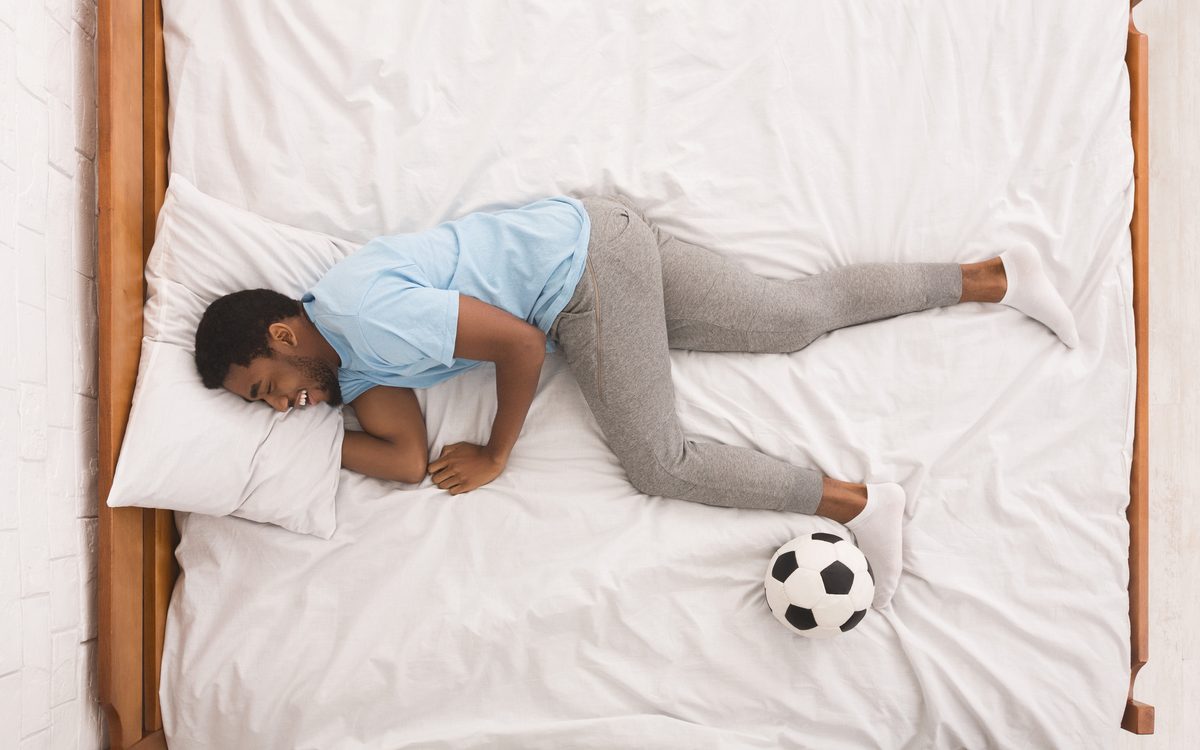
It is the fourth quarter of a Saturday game, and the shot you hit all week in practice keeps rimming out. Your legs feel a half-step slow. Then you remember: four nights of late homework, early alarms and a phone glowing under the covers. Most athletes spend hours on training and meals and almost none on the thing that happens in between. Sleep is the regular, reversible state in which your body and brain rest and repair, and it is one of the main ways athletes recover from hard training.
How much sleep do athletes need? The CDC lists 9 to 12 hours for ages 6 to 12, 8 to 10 for teens and 7 or more for adults, and a 2021 expert consensus on athletes warns that one number does not fit everyone, so notice how you feel and perform. See a clinician if you regularly cannot sleep, snore loudly with pauses in breathing, or stay very sleepy in the day even after enough hours.
When to get urgent medical help
Poor sleep is usually a habit problem, but a few situations should not wait for a better routine. The NHLBI (part of the National Institutes of Health) notes that a person who is short on sleep can have brief “microsleeps” without knowing it, and that sleepy driving can impair a driver as much as alcohol or more.
- Do not drive if you are nodding off, missing exits or cannot remember the last few miles. Pull over somewhere safe or ask someone else to drive.
- Get a clinician’s help soon for loud snoring with pauses or gasping during sleep, or falling asleep while sitting still, reading or in class. MedlinePlus lists these as features of sleep apnea, a condition diagnosed by a health care provider.
- Poor sleep together with low mood, hopelessness or thoughts of harming yourself needs help right away. The NHLBI links sleep deficiency with depression and suicidal thoughts. In the US, the 988 Suicide & Crisis Lifeline offers free, confidential support by call, text or chat, day or night. In an emergency, call 911.
What sleep does and why athletes run short
The NHLBI says sleep supports the heart and blood vessels, appetite and blood sugar, the immune system and, in children and teens, growth. Short sleep, in turn, slows reaction time and raises mistakes. It also warns that people who are short on sleep often underestimate how impaired they are, so “I feel fine” is not a reliable test.
Athletes are not protected from this, and may be at more risk. The 2021 expert consensus in the British Journal of Sports Medicine (Walsh and colleagues) says elite athletes are particularly prone to short sleep (under 7 hours a night) and poor sleep quality, such as broken sleep. It names sport-specific causes, including early training, travel and late competition, and non-sport causes, including stress and anxiety. Students who train add early school starts and homework to that list.
How much sleep you need
As of 2026, the CDC page on sleep lists these daily amounts, taken from the American Academy of Sleep Medicine (AASM):
| Age | Recommended sleep per day |
|---|---|
| 6 to 12 years | 9 to 12 hours |
| 13 to 17 years (teens) | 8 to 10 hours |
| 18 to 60 years | 7 or more hours |
| 61 to 64 years | 7 to 9 hours |
| 65 and older | 7 to 8 hours |
These are population guides, not personal prescriptions. The 2021 athlete consensus says a one-size-fits-all target such as 7 to 9 hours a night is unlikely to be ideal for every athlete and recommends an individual approach that takes the athlete’s own sense of how much sleep they need into account. A practical read: use the table as a starting point, then watch for the signs below.
What the research says about sleep and performance
Some of the best-known findings come from small studies, so read them as hints rather than guarantees.
- Sleep extension in basketball. In a 2011 Stanford study of 11 men’s varsity basketball players, published in the journal Sleep, players aimed for at least 10 hours in bed for 5 to 7 weeks. Their sleep rose by about 111 minutes a night on average, their timed sprints got faster and their free-throw and three-point percentages rose by about 9 points each. There was no comparison group, which limits what the study can prove.
- Injuries in teens. A 2014 study of 112 middle and high school athletes found that those who slept an average of less than 8 hours a night were 1.7 times more likely to have had an injury than those who slept 8 hours or more. It shows an association, not that sleep alone causes injuries.
- It is not always easy to add sleep. A 2026 study of 50 NCAA Division I athletes asked them to aim for 10 hours a night for two weeks. Their sleep schedule became more consistent, but total sleep time did not change significantly (about 7.6 hours at baseline and 7.5 hours during extension). Busy schedules are a real barrier.
- What is still unknown. The 2021 consensus says the effect of losing a little sleep for one to three nights is unclear, and that more research is needed on napping and on “banking” extra sleep ahead of a hard stretch.
The same consensus notes that people who habitually sleep under 7 hours a night are more likely to catch respiratory infections, which matters when a cold means missed practices.
Signs you may be short on sleep
The NHLBI lists these signs of sleep deficiency. None of them is a diagnosis, and many have other causes:
- Feeling very tired in the day and not refreshed when you wake up.
- Nodding off while sitting still, reading or watching TV.
- Trouble concentrating, making decisions, remembering things or managing emotions.
- In children and teens: irritability, mood swings, attention problems, lower school performance or low motivation.
Trouble falling asleep, waking repeatedly in the night, and feeling tired even after enough hours are the CDC’s examples of sleep problems worth raising with a health care provider. MedlinePlus describes insomnia as lying awake a long time, sleeping only short periods or waking too early, and says it is called chronic when it lasts a month or longer. A provider may ask about your sleep history, do an exam and sometimes recommend a sleep study.
Sports where sleep matters most
Sleep matters in every sport, but some schedules make it harder. Swimmers often train before school, and our swimming and swimming injuries pages cover that routine. Basketball, soccer and football players face late games, tournaments and travel; see basketball and its recovery page. Runners, wrestlers and gymnasts often train hard in the early morning or twice a day. For injury information see the soccer, football, running, wrestling and gymnastics injury guides.
Habits that support better sleep
These are not cures, and they will not work for every sleep problem, but the CDC lists them as habits that can help you get a good night’s sleep:
- Go to bed and get up at the same time every day, including days off. The 2026 NCAA study above is a reminder that a steadier schedule can be a realistic first goal.
- Keep the bedroom quiet, relaxing and cool.
- Turn off electronic devices at least 30 minutes before bed.
- Avoid large meals and alcohol before bed, and avoid caffeine in the afternoon or evening.
- Exercise regularly and eat a healthy diet.
The 2021 consensus also describes a “sleep toolbox” for coaches and support staff built around sleep education and screening for athletes at risk. For a team, that can be as simple as talking about sleep when planning early practices, travel and tournament schedules.
Youth, and women athletes
Young athletes need more sleep than adults: 8 to 10 hours for teens and 9 to 12 for ages 6 to 12, per the CDC. The NHLBI adds that deep sleep triggers growth hormone release in children and teens. Parents and coaches can help by planning homework and practice times so a teen has a real chance to reach those hours. The 2021 consensus lists being female as one non-sport factor associated with sleep inadequacy in athletes, and notes that research has often under-included women.
Sleep trackers and gear
Gadgets are optional. A consistent bedtime and a dark, cool room cost nothing. If you like numbers, wearables estimate sleep time and give nightly scores. Treat them as rough guides: the 2021 consensus points out that questions remain about how valid some sleep assessment tools are in athletes, and a tracker cannot diagnose a sleep disorder. If a score worries you, or you feel terrible despite “good” numbers, talk to a clinician. See our smart rings guide and Whoop vs Oura vs Garmin comparison for how the makers describe their products.
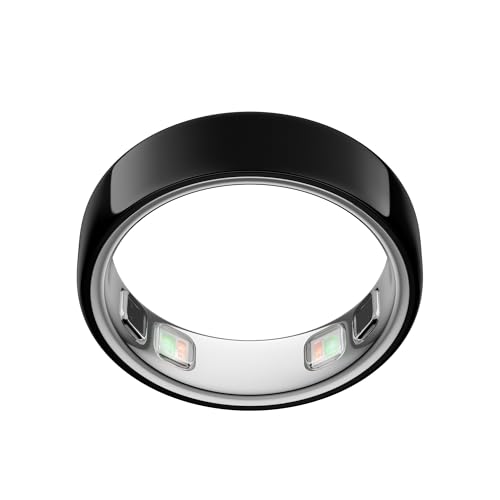
Oura Ring 5
- Worn on the finger
- Nightly sleep scores via the maker's app
- Membership separate from the ring
$399.00 at Amazon, as of Nov 17, 2026 01:07 UTC
Check price on Amazon
Garmin Forerunner 570
- GPS running and triathlon watch
- Sleep Score and Body Battery
- Sleep Score stays free without a subscription
$449.99 at Amazon, as of Nov 17, 2026 01:07 UTC
Check price on AmazonFAQs
How many hours of sleep does a teen athlete need?
The CDC lists 8 to 10 hours a day for ages 13 to 17, based on AASM guidance. In one study of adolescent athletes, those averaging under 8 hours were 1.7 times more likely to have had an injury.
Do athletes need more sleep than other people?
There is no agreed athlete-specific number. The 2021 consensus recommends an individual approach based on the athlete’s own needs rather than a single figure. Athletes are, however, at risk of short sleep because of training, travel and competition schedules.
Can I catch up on sleep on the weekend?
We found no consensus statement that says weekend catch-up fully makes up for short weeknights. The CDC’s advice is to keep the same bedtime and wake time every day, and the 2021 consensus says research on “banking” sleep is still needed.
Should I nap?
The 2021 consensus says research is still needed on the benefits of napping, so we cannot give a rule. If you are sleepy during the day on most days, ask a clinician rather than relying on naps.
When should I see a doctor about my sleep?
The CDC says to talk to a provider if you regularly have problems sleeping, or notice signs of a sleep disorder such as insomnia or sleep apnea. Loud snoring with breathing pauses and heavy daytime sleepiness are good reasons not to wait.
Does a tracker tell me if I slept well?
It gives an estimate. How you feel, think and perform matters just as much, and trackers cannot diagnose sleep disorders.
Sources
- CDC: About Sleep
- NHLBI: Sleep Deprivation and Deficiency, health effects
- MedlinePlus: Insomnia and Sleep Apnea
- Walsh et al., Sleep and the athlete: narrative review and 2021 expert consensus recommendations, Br J Sports Med
- Mah et al., Sleep extension and athletic performance of collegiate basketball players, Sleep (2011)
- Milewski et al., Chronic lack of sleep and sports injuries in adolescent athletes, J Pediatr Orthop (2014)
- Sleep extension feasibility in NCAA Division I athletes, Sports Health (2026)
- 988 Suicide & Crisis Lifeline
General information for education only, not medical advice. It does not diagnose or treat any condition. Talk to a doctor, sports medicine clinician or sleep specialist about your own sleep. See our editorial policy and more in Recovery & Rehabilitation.