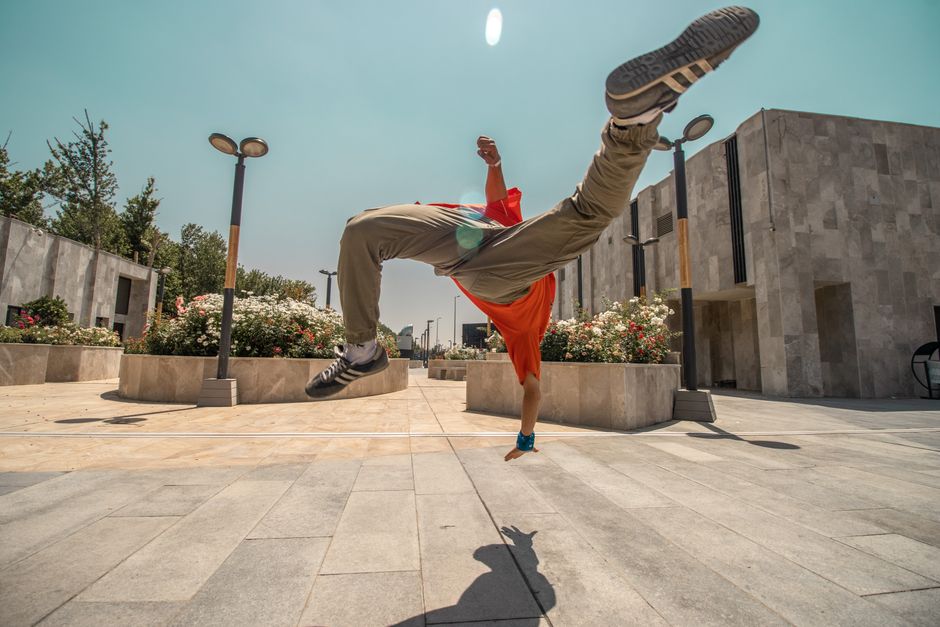
The studio is quiet, the panel has stopped writing, and you are number 47 in a numbered line of dancers waiting to be called to the front. Your feet were certain an hour ago; now your mind is rewriting the combination you learned ten minutes earlier. Most dancers know a moment like that, in an audition, a recital wing or the last rehearsal before opening night. Mental training for dancers is the practice of using attention, routines, self-talk and planning so you can perform with more control and recover faster when something goes wrong. It supports your training; it cannot promise a role, a score or a flawless show.
Quick answer: Research on professional ballet dancers suggests worried thoughts hurt more than a racing heart, and that feeling in control matters most. Reviews of pressure interventions point to a repeatable pre-performance routine, calm self-talk and mindfulness. None of these guarantees a result. See a doctor or a licensed mental health professional if anxiety, low mood, perfectionism, body worries or changes in eating are affecting your dancing or daily life.
General information for dancers, teachers and parents. Back to the dance hub. Show-day logistics, fueling and warm-ups are on our performance and competition day page; the physical side is on the dance training page.
Performance anxiety: what dancers actually report
In a 2010 interview study in the Journal of Dance Medicine & Science, Walker and Nordin-Bates spoke with 15 elite ballet dancers. Worried, negative thinking (cognitive anxiety) was the most common experience and was seen as harmful, while body signs such as butterflies and a pounding heart (somatic anxiety) were more often seen as helpful. Principal dancers described stronger anxiety than corps members, and feeling out of control was a major theme. It is a small study of one dance form, so treat it as a useful description, not a rule for everyone.
What to do with that: aim your effort at the thoughts, not the heartbeat. Many dancers find it easier to treat the fast pulse as readiness and to give the mind a job, such as the first count of the opening phrase.
Auditions: the pressure of being compared
An audition adds things a recital does not: a short window, a stranger’s decision and a room full of people doing the same steps. We found no dancer-specific trial of audition techniques, so the points below are common coaching practice, not tested results.
- Separate what you control from what you do not. You control your preparation, warm-up, attention to corrections and effort. You do not control casting, who else is in the room or what the panel needs this season.
- Treat corrections as information. Applying a correction quickly is a visible skill. Dwelling on being corrected is the thought to redirect.
- Keep a rejection plan. Decide beforehand how you will spend the evening after, and who you will talk to. Not being cast says little about your future as a dancer.
- Two or three slow breaths in the wings or at the barre.
- One physical cue, such as “long neck” or “push the floor”.
- One short phrase for yourself, written in a calm voice: “one step at a time”, not “don’t mess up”.
- A mental run of the opening few counts.
- Learn in sections and connect them, instead of re-running the whole piece from the top each time.
- Tie steps to the music’s counts and to your cues, so a blank moment has something to grab.
- Mark the piece quietly at home. Marking also saves your body, and our recovery page covers why rest matters in heavy rehearsal weeks.
- Sleep on it. Many people find new material is steadier the next day, but we have not verified that claim for dance.
- Walker IJ, Nordin-Bates SM. Performance anxiety experiences of professional ballet dancers: the importance of control. J Dance Med Sci 2010 (PMID 21703084)
- Choking-under-pressure intervention meta-analysis, 2026 (PMID 41951087)
- Zhao L, Wang Y, Anuar N. Mapping the use of mental imagery for stress management in athletes: a scoping review. Front Psychol 2026 (doi)
- Parker E, Mitchison D, Hronis A. Intrinsic and extrinsic risk factors for mental health difficulties in dancers: a systematic review. J Dance Med Sci 2026 (doi, PMID 42249748)
- Arcelus J, Witcomb GL, Mitchell A. Prevalence of eating disorders amongst dancers: a systemic review and meta-analysis. Eur Eat Disord Rev 2014 (PMID 24277724)
- Keay N, Overseas A, Francis G. Indicators and correlates of low energy availability in male and female dancers. BMJ Open Sport Exerc Med 2020 (PMID 33304605)
- Mountjoy M et al. 2023 International Olympic Committee consensus statement on Relative Energy Deficiency in Sport (REDs). Br J Sports Med 2023 (PMID 37752011)
- Torstveit MK et al. Prevention of REDs. Br J Sports Med 2023 (PMID 37752004)
- Reardon CL et al. Mental health in elite athletes: IOC consensus statement (2019). Br J Sports Med 2019 (doi, PMID 31097450)
- 988 Suicide and Crisis Lifeline (988lifeline.org)
- Association for Applied Sport Psychology resources (appliedsportpsych.org)
A pre-performance routine you can repeat
A 2026 meta-analysis of interventions for choking under pressure (21 studies, PubMed 41951087) found that pre-performance routines, self-talk and mindfulness reduced the drop in performance under pressure. It was not limited to dance. A routine works best when you also use it in ordinary rehearsals, so it is familiar by the time the stakes rise:
Imagery, or picturing the movement, is a popular tool. A 2026 scoping review in Frontiers in Psychology mapped its use for stress management in athletes in general; we did not find a dance-specific study strong enough to promise a benefit, so think of it as one option to try.
Learning and memorizing choreography
We found no source we could confirm on the best method for memorizing choreography, so this section is practical advice, not research. Many dancers and teachers suggest:
When a mistake happens on stage
Every dancer slips, forgets a count or loses a shoe. What helps is a plan made in advance. Many dancers rehearse a “reset”: notice the error, take one breath, and rejoin on the next count or the next phrase. Audiences usually do not know the choreography, so the way you recover is often what they see. That is a coaching idea, not a study result. Pair it with the calm self-talk above and keep the review for after the curtain.
Perfectionism: useful standards, painful extremes
High standards are part of dance. A 2026 systematic review in the Journal of Dance Medicine & Science (37 studies of pre-professional and professional dancers) listed perfectionism, self-esteem and body dissatisfaction among the most consistent risk factors for mental health difficulties, and also named extrinsic factors such as teacher behavior. In everyday terms, wanting to improve is healthy, while a belief that anything less than perfect is failure tends to cost dancers joy and, in some cases, health. Teachers have a part here: specific, kind corrections and no public comparison are practices worth asking for.
Body image and eating: a health matter
This part is about health, not performance tips. A 2014 meta-analysis (Arcelus and colleagues, 33 studies) found eating disorders in about 12% of dancers overall and 16.4% of ballet dancers, with dancers at around three times the risk. A 2020 survey of dancers (Keay and colleagues, 247 responses) found low energy availability features in 57% of female and 29% of male dancers, and fewer than one in three had heard of RED-S. The 2023 International Olympic Committee consensus statement on Relative Energy Deficiency in Sport (REDs) links low energy availability to harm across the body, and its prevention paper advises educators to de-emphasize body weight and leanness, particularly for young athletes.
Our dance nutrition page covers fueling and warning signs, and the injuries page covers bone stress. If you are skipping meals, counting everything, feeling guilt after eating, or have lost your period, take it to a doctor, not a coach or a diet plan.
Mental training is not mental health care
Breathing routines and self-talk are performance tools. Anxiety disorders, depression, disordered eating and burnout are health matters that deserve a qualified professional: a doctor, psychologist or counselor, ideally one who knows performers. The IOC consensus statement on mental health in elite athletes (Reardon and colleagues, 2019) is the standard reference for sport. Signs to act on include constant dread, trouble sleeping, loss of enjoyment, food rules that take over, or thoughts of self-harm. In the United States, the 988 Suicide and Crisis Lifeline offers free, confidential support by call or text at 988. The Association for Applied Sport Psychology lists resources for finding mental performance consultants, who help with performance skills but do not diagnose or treat conditions.
Young dancers and parents
Our youth dance page covers training load and ages. On the mental side, the best-supported point from the sources above is to take body comments and weight talk out of the studio. After a show, “I loved watching you” is a safer opening than a score breakdown.
Mental training for dancers: FAQs
Is performance anxiety normal for dancers?
Yes. Even elite ballet dancers in the Walker and Nordin-Bates study described it. If it is constant or disrupts sleep, eating or enjoyment, speak with a doctor or licensed psychologist.
How do I stay calm at an audition?
Use a routine you have practiced, such as slow breaths, a cue and a calm phrase, and focus on what you control. This is general guidance; it will not remove nerves entirely.
Does visualization help dancers?
Some dancers like it, and athletes in general use it for stress. We did not confirm strong dance-specific evidence, so try it briefly and keep what works for you.
Is perfectionism good for a dancer?
High standards are normal. A 2026 systematic review found perfectionism among the consistent risk factors for mental health difficulties in dancers, so if it brings constant distress, get support.
What if I forget the choreography on stage?
Take a breath and rejoin on the next count or phrase. Practice this in rehearsal so it feels automatic; it is common coaching advice, not a studied method.
When should a dancer see a professional about body image or eating?
When food rules, guilt after eating, missed periods or fear of weight changes appear. These are health matters, and earlier help is better. Ask a doctor first.
Sources
General information for education only, not medical advice. It does not replace a doctor, licensed mental health professional or qualified teacher. See our editorial policy for how we research and write.