This article contains affiliate links: if you buy through them we may earn a commission, at no extra cost to you. Learn more.
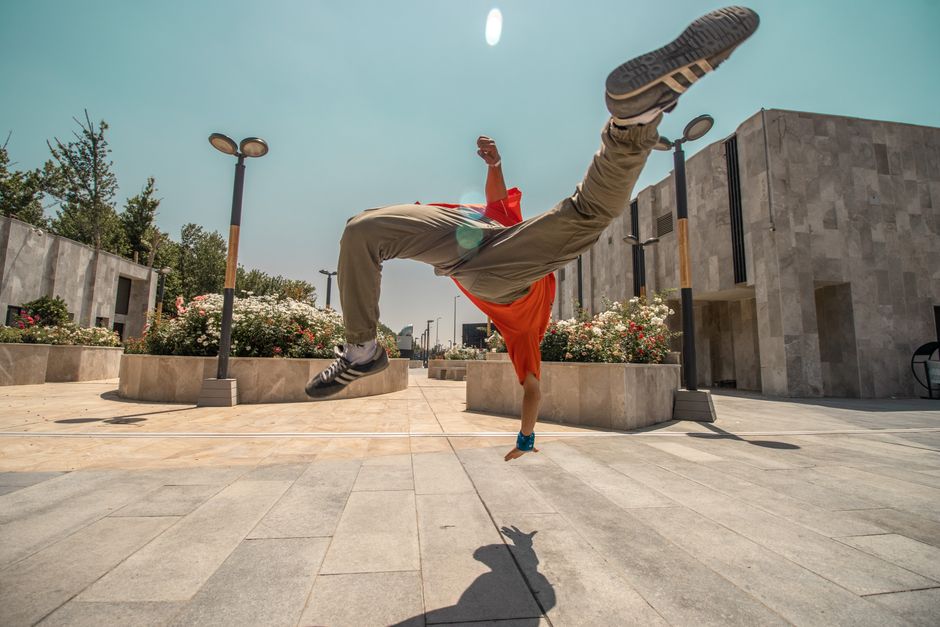
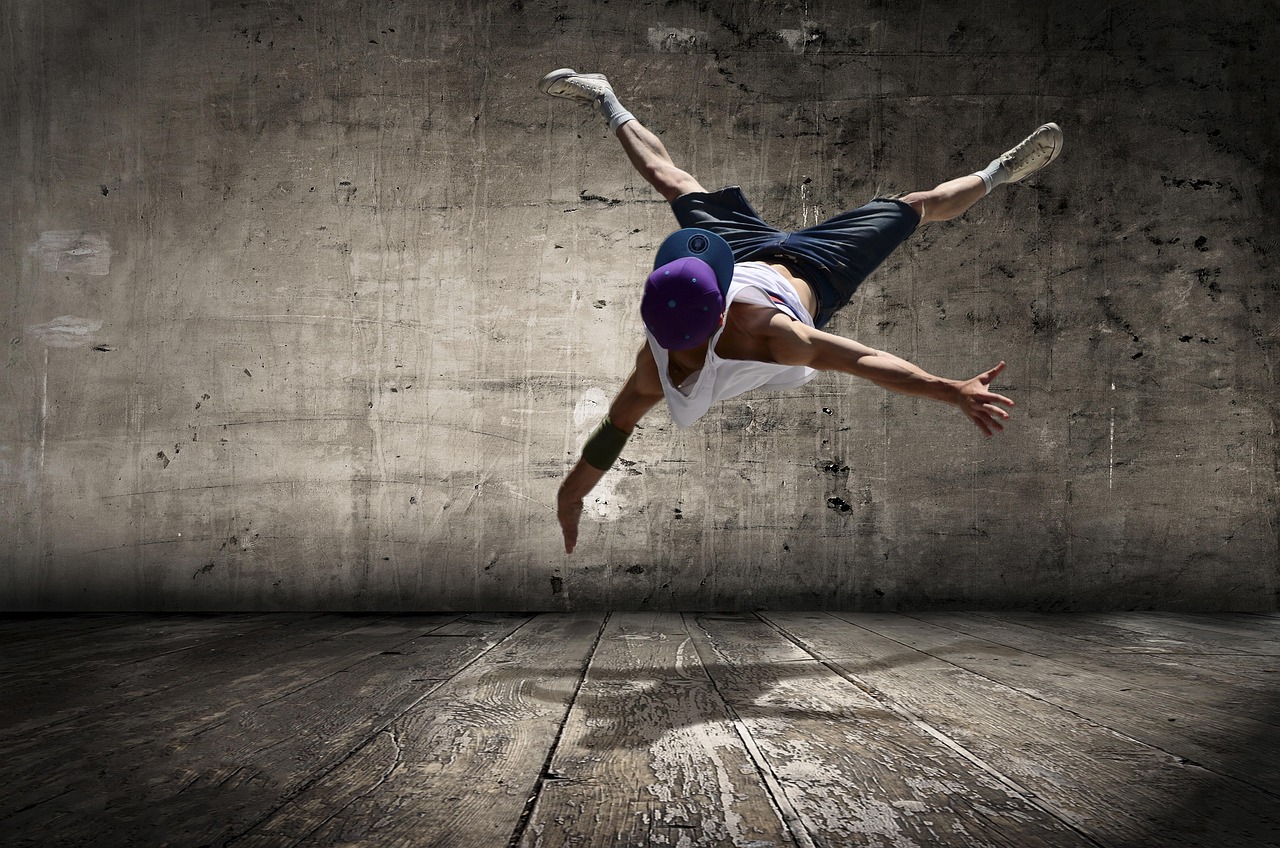
A row of five-year-olds in pink tights trying to hold first position. A tap class making the studio windows rattle. A competition team lined up backstage at 7 a.m., hair sprayed into place, waiting for their number. A b-girl dropping into a freeze on the Place de la Concorde in front of the whole world. Dance is art, but the people doing it are athletes: they jump, turn, lift, land and balance for hours a day, often with no off-season at all.
Dance, page by page
- Rules: how the game works at every level
- Leagues & associations: pro, college, high school and youth
- Youth & high school: ages, safety and recruiting, for players and parents
- Injuries & sports health: prevention, concussion, when to see a pro
- Training & conditioning: before: off-season to in-season
- Game day: during: fueling, hydration, heat
- Recovery: after: games, tournaments, sleep
- Nutrition & supplements: what to eat, tested supplements
- Best wearables: trackers and watches for the sport
- Gear: the complete equipment list
Buying guide · Our Dance buying guide compares the gear we'd pick, with prices and sizing:
This page treats dancers the way we treat every athlete on AthleteRX: ballet, jazz, contemporary, hip-hop and breaking, tap and competition dance, from the first class to professional companies and the Olympic stage. Sports health runs through all of it: the dance injuries that show up most, why the feet and ankles take the most wear, when to start pointe, how to spot a concussion, why eating enough matters, and when to see a professional. Then training, recovery and the gear that actually helps.
Dance at a glance
| Main styles | Ballet (including pointe), jazz, contemporary and modern, lyrical, tap, hip-hop and breaking, acro, plus ballroom and cultural forms. |
|---|---|
| Where dancers train | Private studios, pre-professional ballet schools, school dance teams, college dance programs and teams, hip-hop crews and open cyphers. |
| How it’s judged | Studio competitions: usually three judges, up to 100 points each. Breaking: one-on-one battles judged on technique, vocabulary, execution, musicality and originality. |
| Key organizations | WDSF (breaking’s world federation) and USA Dance in the US; IADMS for dancer health; NDEO, the Royal Academy of Dance and the Cecchetti Council for teaching; YAGP and the Prix de Lausanne for young ballet dancers. |
| Olympics | Breaking debuted at Paris 2024. It is not on the LA28 program; the WDSF has bid for Brisbane 2032 (undecided as of October 2026). |
| Main physical demands | Jumps and landings, turns, balance on half-toe or pointe, extreme range of motion, lifts, floor work, inversions, and long hours of repetition. |
| Most common injuries | Foot and ankle (sprains, tendon problems, posterior ankle impingement, stress fractures), then knee, hip and low back. Breakers also hurt wrists, shoulders and the neck. |
How dance works as a sport
Most dancers never compete. They take class, rehearse and perform in recitals, school shows or company seasons. But competition is a big part of dance in the US, and it comes in a few shapes:
- Studio competitions: soloists and groups compete by age and style. At a typical event, such as Hall of Fame Dance Challenge, three judges each give up to 100 points for choreography, technique, showmanship and precision, and routines earn award levels such as Gold, High Gold and Platinum by score.
- Ballet competitions: scholarship events where young dancers perform classical and contemporary solos in front of directors of major schools. Youth America Grand Prix (YAGP) is for ages 9–19; the Prix de Lausanne in Switzerland is for 15- to 18-year-olds.
- Dance team: high school and college teams compete in jazz, pom, hip-hop, high kick and “game day” routines; the biggest college events are Varsity’s UDA and NDA college nationals in Orlando.
- Breaking battles: two breakers (or crews) take turns, called throwdowns, to the DJ’s music. At Paris 2024, each battle was best of three rounds with up to 60 seconds per breaker, and nine judges scored five criteria worth 20% each.
Our competition rules and studio etiquette page explains scoring, time limits, age divisions and battle formats in detail.
Dance at every level
Kids
The American Academy of Pediatrics (AAP) lists beginner dance among the ground-level activities that suit preschoolers, as long as it stays playful. Formal ballet training comes later: the International Association for Dance Medicine & Science (IADMS) notes that movement classes from age four can be beneficial, but proper ballet training can’t really be done before about age eight. Breaking for Gold USA, the breaking division of USA Dance, has a Youth category for ages 5–12. Our youth dance page covers starting ages, pointe readiness and choosing a studio.
High school
Many high schools have dance or drill teams, often tied to athletics or the spirit program. In the NFHS 2024–25 participation survey, the states that report “Dance” as a school sport counted 32,202 participants (31,099 of them girls) at more than 2,000 girls’ programs, plus separate jazz, high-kick and drill team categories in a handful of states. Many more students dance at private studios outside school.
College
There are two main routes. College dance teams perform at games and compete at UDA and NDA college nationals, with divisions by school and categories such as team jazz, pom, hip-hop and game day. Dance majors study technique, choreography and performance in BFA and BA programs; one well-known example is the Ailey/Fordham BFA, a joint program of The Ailey School and Fordham University since 1998.
Pre-professional and professional
Future ballet professionals usually train at an academy linked to a company, such as the School of American Ballet (the official school of New York City Ballet, founded in 1934) or American Ballet Theatre’s Jacqueline Kennedy Onassis School, whose pre-professional division takes students aged 12–18 by audition. Regional Dance America connects pre-professional companies across the country. Professional dancers work in ballet and modern companies such as ABT, NYCB and Alvin Ailey American Dance Theater, and in commercial dance (tours, music videos, film and theater). Dance/USA, the national service organization for professional dance, counts more than 250 companies and organizations among its members. See our dance organizations page for the full list.
Olympic: breaking
Breaking, born in New York in the 1970s, made its Olympic debut at Paris 2024 with 16 b-boys and 16 b-girls. B-Girl Ami of Japan and B-Boy Phil Wizard of Canada won gold, and B-Boy Victor (Victor Montalvo) took bronze for the United States. Breaking is not part of the Los Angeles 2028 Games: in 2023 the LA28 organizers chose baseball/softball, cricket, flag football, lacrosse and squash as added sports instead. In August 2026 the World DanceSport Federation submitted a bid to bring breaking back for Brisbane 2032; the IOC had not decided as of October 2026.
Adults
Adult ballet, tap and hip-hop classes, social and ballroom dancing, and adult divisions at competitions (Hall of Fame, for example, runs an Adult 20+ division) keep plenty of grown-ups dancing. If you’re coming back after years away, build up class time slowly and give your feet and calves time to adapt, especially to jumping and half-toe work.
Sports health for dancers
Physical therapists in the American Physical Therapy Association’s performing arts group call dancers “aesthetic athletes”: they need high-level strength, flexibility and coordination and must make it all look effortless. Injuries are common. That group’s fact sheet says 20% to 84% of professional dancers have at least one musculoskeletal injury in their career, and professionals can expect at least one injury a year. A 2024 meta-analysis of 18 studies of modern and contemporary dancers put injury prevalence at about 82%, mostly from overuse. This section is general information, not medical advice. If you’re hurt, see a professional.
The most common dance injuries
- Foot and ankle: the most common area in many dance forms, with up to 77% of dance injuries in the lower body. Ankle sprains lead the list, especially in ballet and modern, followed by tendon problems at the Achilles and the flexor hallucis longus (so common it’s called “dancer’s tendinitis”), posterior ankle impingement and stress fractures, often of the second metatarsal in ballet dancers. In a three-season study of two professional ballet companies, ankle impingement and synovitis were the most common reasons to see the medical team, and ankle sprains caused the most missed dancing.
- Knee: the second most common site overall, and the most common in hip-hop, where deep squats, knee drops and acrobatics load the joint. In ballet, forcing turnout from the knees and feet instead of the hips adds stress inside the knee.
- Hip: impingement, labral irritation, snapping hip and hip-flexor, glute or hamstring strains from repeated battements, leaps and high kicks.
- Low back: muscle strains, and in teens and dancers going through growth spurts, spondylolysis (a stress injury of the lower spine) from repeated arching and bending.
- Wrists, shoulders and neck in breakers: power moves and freezes put the arms and neck in weight-bearing positions, and fractures of the wrist and forearm are more common in breaking than in other styles. Head spins load the neck. In an Italian survey of 97 breakers, the knee, shoulder and wrist were the most injured areas.
Kids get hurt differently. A study of US emergency department visits from 2019 to 2023 estimated about 93,000 dance-related visits by 3- to 17-year-olds; knees and ankles were injured most, sprains and strains were the top diagnosis, and more than a third of injuries came from hitting the floor. Our dance injuries page goes through each injury, its warning signs and prevention.
Why dancers get overuse injuries
The APTA fact sheet points to high training volumes, short rest breaks and the lack of an off-season: many dancers fill their “breaks” with summer or winter intensives or extra styles. The AAP recommends that young athletes take at least 1–2 days off a week from their sport and 2–3 months a year away from it (it can be split into blocks), and that training load go up gradually. Other risk factors named in a 2026 review include growth spurts, joint hypermobility, hard floors, pointe shoes and other technical footwear, and low energy availability.
Pointe: readiness matters more than age
IADMS guidelines for teachers say: not before age 12; not for students without enough ankle and foot range of motion or with poor leg alignment; delay for weak core or legs or very hypermobile feet; discourage pointe for students who take ballet only once a week or who aren’t truly pre-professional; and, for students taking class at least twice a week who meet everything else, start in the fourth year of training. Many teachers also ask for a pre-pointe assessment with a physical therapist. Details on our youth dance page.
Concussion: recognize and remove
Dancers do hit their heads: falls from lifts, partnering mistakes, a collision on a crowded stage, a breaking move gone wrong. In the youth emergency-room study above, head injuries made up almost a quarter of boys’ visits. The CDC’s HEADS UP program asks teachers and parents to watch for a dancer who looks dazed or confused, moves clumsily or is slow to answer, and to listen for headache, dizziness, nausea, sensitivity to light or noise, or “just not feeling right.” Anyone with a possible concussion stops dancing right away, sits out the rest of the day and comes back only with a healthcare provider’s OK. Call 911 for danger signs such as a headache that gets worse, repeated vomiting, slurred speech, seizures or passing out.
Eat enough to dance
Dance can carry pressure about body shape, and under-fueling is a real health risk. Researchers list low energy availability among the factors that raise injury risk in dancers, and IADMS’s bone health paper links low calorie and low calcium intake to a higher rate of stress fractures. Missed periods, constant fatigue or a stress fracture deserve a visit to a sports medicine doctor, ideally with a sports dietitian involved. Our dance nutrition page covers fueling for class, rehearsal and performance.
When to see a professional
The APTA fact sheet notes that many dancers don’t seek care for ankle sprains and later have long-term problems. See a sports medicine doctor, a physical therapist (ideally one who works with dancers) or an athletic trainer for pain that changes how you dance, pain that comes back class after class, a joint that gives way, swelling, pain at a single spot on a bone, numbness, or any head injury.
Training and conditioning for dancers
Class builds technique, but it doesn’t always build the strength and fitness that dancing needs. Many dancers add strength work for the feet, ankles, hips and core, balance training, and aerobic conditioning such as swimming or cycling, especially before a heavy performance season. A warm-up before class and rehearsal and a gradual return after a break matter as much as in any sport. Our dance training page has the details, and our resistance bands guide covers the simple tools dancers use most.
Recovery for dancers
Recovery is where dancers often lose out: late rehearsals, early school or work, a weekend of competitions. The CDC recommends 9–12 hours of sleep for kids 6–12 and 8–10 hours for teens. Eat and drink after long days, schedule real rest days, and space out intensives. Many dancers use a foam roller or a small massage gun on calves and hips and slip into supportive sandals after hours in flat shoes. See our dance recovery page, our performance and competition day guide and our recovery tools guide.
Gear for dance
- Shoes by style: soft ballet slippers (full or split sole), jazz shoes, tap shoes, split-sole dance sneakers for hip-hop and commercial, bare feet or foot thongs for contemporary, sneakers for breaking.
- Pointe shoes: only with the teacher’s OK, and always fitted in person by a trained fitter. Bloch says a first fitting takes about 30–40 minutes.
- Floors: Ausdance, the Australian dance body, says dance floors should be sprung, semi-sprung or cushioned, and warns that dancing on concrete can cause injury. A roll-out vinyl (marley) floor gives a better surface at home but adds no cushioning on concrete.
- Strength and recovery: resistance bands for feet and ankles, a foam roller, and supportive slides after class.
Three simple picks: the Bloch Dansoft full-sole leather ballet slipper, a classic first ballet shoe; the THERABAND Beginner Kit for foot and ankle work; and the OOFOS OOahh Slide from our recovery shoes guide for after a long day. Our dance gear guide covers shoes for every style, pointe accessories and home floors.
Bloch Dansoft Full Sole Leather Ballet Slipper (Girls)
- Leather upper, cotton lining
- Full sole
- Elastic drawstring
THERABAND Beginner Resistance Band Kit
- Yellow, red, green flat bands
- Clinic-standard color system
- About $19
OOFOS OOahh Slide
- OOfoam slide
- APMA Seal of Acceptance
- Machine washable
For more after training, browse Recovery & Regeneration and Training & Performance, or see what fits on our best wearables for dancers page.
Dance FAQs
Are dancers athletes?
Yes. Dance demands strength, power, flexibility, balance and endurance, and dancers get the same overuse and acute injuries as other athletes. Physical therapists describe them as aesthetic athletes, and breaking was a medal sport at the Paris 2024 Olympics.
What is the most common dance injury?
Foot and ankle injuries, led by ankle sprains, are the most common in many dance styles. The knee comes next overall and is the top site in hip-hop. Breakers hurt their wrists, shoulders and neck more than other dancers do.
At what age can a dancer go on pointe?
IADMS guidelines say not before 12, and only for students who take ballet at least twice a week, are in about their fourth year of training and have the strength, alignment and ankle range of motion for it. Readiness, not a birthday, decides it. Ask the teacher and consider a pre-pointe assessment with a physical therapist.
Will breaking be in the 2028 Olympics?
No. Breaking debuted at Paris 2024 but isn’t on the LA28 program. The World DanceSport Federation has submitted a bid for Brisbane 2032, which the IOC had not decided as of October 2026.
Is it safe to practice dance at home?
Stretching, barre work, strength exercises and marking choreography are fine at home. Avoid jumping and turning on concrete or tile; dance bodies say floors should be sprung or cushioned. Save new tricks, lifts and pointe work for the studio with a teacher.
Who should a dancer see for an injury?
A sports medicine doctor, a physical therapist or an athletic trainer, ideally one who knows dance; IADMS is the international network for dance medicine and science. Don’t dance through pain that changes how you move or keeps coming back.
Dance asks a lot of the body, and the dancers who last are the ones who rest, eat enough, strengthen their feet and speak up about pain. Keep exploring: our gymnastics and figure skating sections cover other artistic sports, soccer is our model for team sports, and every sport is on our sports hub.