This article contains affiliate links: if you buy through them we may earn a commission, at no extra cost to you. Read our affiliate disclosure.
It is the first training of the season. The oval was soft and green last week, but today it is baked hard, and your son’s old boots rattle on it while a teammate slips in a pair that suit the wet. You want one pair that will not let him down, and you are not sure whether the studs even matter.
The short answer: pick the boot to match the ground you play on most. Firm-ground (FG) moulded studs suit most grass and are the usual starting point. Soft-ground (SG) boots with longer studs belong on wet, heavy ovals. Short rubber studs or turf outsoles suit hard or artificial surfaces. Whatever you choose, the AFL’s laws and regulations restrict studs and exposed metal, so check your own league before you buy. This guide compares eight boots using their Amazon listing text and the AFL pages we opened. We did not test any boot, and none of the candidate listings is sold as an Australian rules boot, so we say plainly where that matters.
Our top picks

adidas League Football Boots, Firm Ground (adult)
- Firm ground boot (per title)
- Regular fit
- Lace closure
- Textile lining
$69.99 at Amazon, as of Nov 22, 2026 12:07 UTC
Check price on Amazon
Nike Superfly 9 Club FG/MG (men's)
- FG/MG outsole
- Synthetic upper with textured design
- Dynamic collar and internal speed cage
- Low-profile, lightweight build (per the listing)

Pirma Skin Gamer Youth FG
- Moulded firm-ground cleats (per the listing)
- Padded collar and cushioned insole
- Reinforced synthetic upper with textured surface
- Listing example: big kid size 5.5

adidas Copa Pure II.3 Firm Ground (child)
- Firm ground boot (per title)
- Unisex child sizing, example size 1.5
- Listing text: unisex-child sneaker
- No other features stated

adidas Predator League J Turf (kids)
- Turf boot (per title)
- Regular fit
- Little kid / big kid sizing
- Example listing size: 6 big kid
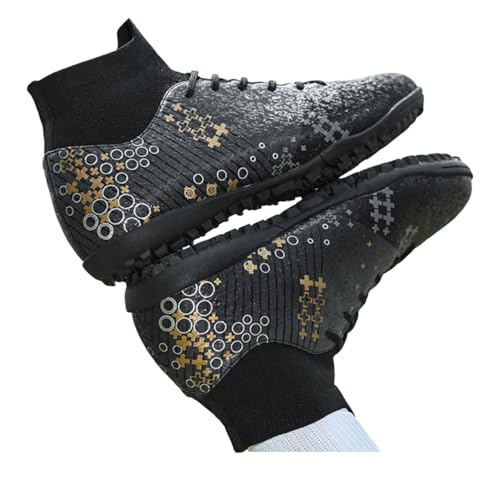
HESBITEUL Youth Short-Stud Turf Boots
- Short rubber studs on a rubber outsole
- Textured synthetic upper, reinforced toe cap
- Elastic knitted high-top collar
- Soft cushioned lining
$39.99 at Amazon, as of Nov 22, 2026 12:07 UTC
Check price on Amazon
Canterbury Ground Break Team Soft Ground (rugby)
- Soft-ground boot (per title)
- Eight 18mm studs
- Moulded heel and wide toe box
- Flight beam TPU for stability
$74.95 at Amazon, as of Nov 22, 2026 12:07 UTC
Check price on Amazon
Mizuno Morelia IV Mix Soft Ground (men's)
- Soft-ground boot (per title)
- K-leather upper
- ZeroGlide Lite insole
- Mix of metal and moulded studs (per the listing)
$240.90 at Amazon, as of Nov 22, 2026 12:07 UTC
Check price on AmazonThe picks compared
| Product | Ground type | Studs or outsole | Made for | What the listing says |
|---|---|---|---|---|
| adidas League FG | Firm ground | Not described | Adults | Regular fit, lace closure, textile lining |
| Nike Superfly 9 Club FG/MG | Firm and multi-ground, natural and artificial grass | FG/MG outsole | Men's | Synthetic upper, speed cage, lightweight |
| Pirma Skin Gamer Youth FG | Firm ground, natural grass | Moulded cleats | Youth | Padded collar, cushioned insole |
| adidas Copa Pure II.3 FG (child) | Firm ground | Not described | Children | Unisex-child sneaker; no other detail |
| adidas Predator League J Turf | Turf | Not described | Kids | Regular fit |
| HESBITEUL short-stud boots | Turf and hard ground | Short rubber studs | Youth, teens | Reinforced toe, knit collar, cushioned lining |
| Canterbury Ground Break SG | Soft ground | Eight 18mm studs | Adults (rugby) | Wide toe box, TPU for stability |
| Mizuno Morelia IV Mix SG | Soft ground | Metal and moulded studs | Men's | K-leather upper, ZeroGlide Lite insole |
The picks in detail
1. adidas League Football Boots, Firm Ground (adult): plain firm-ground boot with a regular fit
A short, plain feature list from a large brand, and the firm-ground label tells you which ground it is built for. For a player who mostly plays on average grass, firm-ground moulded studs are the standard starting point, and this listing keeps the story simple.
What the Amazon listing says
- Firm ground football boots (title)
- Regular fit
- Lace closure
- Textile lining
What the research says: The AFL International page we opened says boot studs, plates or cleats are restricted under Law 9, with an exception where the field umpire is satisfied there is no danger. The listing does not describe the studs, so check the stud shape against your league's rules.
- Strengths: Firm-ground type stated in the title; Lace closure and textile lining listed; Regular fit stated, so no guesswork about width labels
- Limitations: Listing is brief: no stud shape, weight or upper material; Not sold as an Australian rules boot; Nothing stated about wet or very hard grounds
- Suits: Adult players who mostly play on average grass and want a straightforward boot.
- Look elsewhere if: Players on waterlogged ovals (look at soft-ground types) or rock-hard summer grounds (look at short studs).
2. Nike Superfly 9 Club FG/MG (men's): firm and multi-ground outsole for grass and artificial grass
The listing states a multi-ground outsole for natural grass and artificial turf, which makes it the more flexible choice for a player who moves between a club oval and a harder training surface. The sock-like collar is a style choice rather than a requirement.
What the Amazon listing says
- FG/MG football shoes built for firm ground and artificial grass
- Synthetic upper with a textured design
- Multi-ground traction on natural grass and artificial turf
- Dynamic collar and internal speed cage for a secure, sock-like fit
- Streamlined, low-profile build
What the research says: Multi-ground is the maker's own wording. The AFL pages we opened do not name any boot model, so confirm with your league that the stud pattern is acceptable.
- Strengths: FG/MG outsole stated for natural grass and artificial turf; Textured synthetic upper; Collar and internal cage for a locked-in feel, per the listing
- Limitations: Sock-like collar may not suit every ankle or every preference; Weight is described, not given as a number; Not sold as an Australian rules boot
- Suits: Adult players who train on both grass and firmer or artificial surfaces.
- Look elsewhere if: Players on very soft ovals who want longer studs, and anyone who dislikes a sock-style fit.
3. Pirma Skin Gamer Youth FG: youth firm-ground boot with padded collar
A youth-sized firm-ground boot whose listing says the cleats are moulded and made for natural grass. Moulded studs are the type most junior leagues are likely to be comfortable with, but we could not verify any junior rule.
What the Amazon listing says
- Professional-style soccer cleats with geometric pattern, in white, blue and black
- Padded collar and cushioned insole
- Reinforced synthetic upper with textured surface
- Molded firm-ground cleats for natural grass
- Lightweight construction with strategic stud placement
What the research says: We found no AFL junior footwear rule on a page we opened. Ask your club which studs are allowed, and size to the child's current foot, not a bigger size to grow into.
- Strengths: Moulded studs stated, not screw-in; Padded collar and cushioned insole; Youth sizing used in the listing
- Limitations: Listing says nothing about hard or wet ground; Not sold as an Australian rules boot; Several colours exist, so check the size and colour you click
- Suits: Children and teens on natural grass who need a youth-sized moulded boot.
- Look elsewhere if: Players on artificial or very hard surfaces.
4. adidas Copa Pure II.3 Firm Ground (child): child's firm-ground boot, small-size range
One of the few listings aimed at smaller children, with the ground type clearly named. The listing says little else, so it is a starting point for a child whose club or parents already know the boot family they want.
What the Amazon listing says
- adidas unisex-child sneaker (the only feature line)
- Firm ground football boot (title)
- Child size example: 1.5
What the research says: Because the listing is so short, check the maker's own page and size chart before buying. We did not open one, so no sizing figures are given here.
- Strengths: Firm-ground type stated in the title; Child size range indicated; Easy to compare with the brand's other firm-ground listings
- Limitations: The listing gives almost no detail on upper, studs or fit; Not sold as an Australian rules boot; Nothing on wet or hard-ground use
- Suits: Younger children on average grass who need a small-sized boot.
- Look elsewhere if: Parents who want stud shape and materials spelled out before buying.
5. adidas Predator League J Turf (kids): turf outsole for hard and artificial surfaces
A turf boot is made for artificial or very hard surfaces, where longer studs can be uncomfortable or unhelpful. If your child trains on a hard, dry ground or on artificial grass, a turf outsole is the sort of boot to look at first.
What the Amazon listing says
- Predator League J football boots, turf (title)
- Regular fit (the only feature line)
- Little kid / big kid sizing
What the research says: Whether a turf outsole is acceptable for matches is a league decision. The AFL pages we opened restrict studs, plates and cleats without naming turf boots, so ask your league.
- Strengths: Turf type stated in the title; Regular fit stated; Kid sizing used
- Limitations: Listing is one line: no studs, upper or materials; Turf boots are not meant for soft grass, so a second pair may be needed; Not sold as an Australian rules boot
- Suits: Children training on artificial turf or dry, hard grounds.
- Look elsewhere if: Children who mostly play matches on natural grass.
6. HESBITEUL Youth Short-Stud Turf Boots: short rubber studs for turf and hard ground
The listing says the short studs are built for turf and hard ground and that the outsole is dense rubber. It is a simple way to see what a hard-ground boot looks like on paper, with rubber rather than metal contact points.
What the Amazon listing says
- 3D textured synthetic upper for ball grip
- Reinforced toe cap to resist wear from kicking
- Elastic knitted high-top sock collar
- Short-stud rubber outsole for turf and hard ground
- Lightweight, soft cushioned lining
What the research says: We found no source we opened that ranks outsole types for Australian rules. The rubber stud claim comes from the listing, so confirm it when the boots arrive.
- Strengths: Short rubber studs stated for hard ground; Reinforced toe cap listed; Cushioned lining and knit collar listed
- Limitations: Listing gives no specific sizing advice; Listing wording mixes youth, teen and women's use, so check the size scale; Not sold as an Australian rules boot
- Suits: Teens and smaller adults on turf or hard, dry ground.
- Look elsewhere if: Players who need grip on wet natural grass.
7. Canterbury Ground Break Team Soft Ground (rugby): soft-ground boot with longer studs, rugby-made
This listing is a clear example of a soft-ground boot: longer studs for wet, heavy ground, and a wide toe box. It is made for rugby, not for Australian rules, so the stud material and shape need checking against league rules.
What the Amazon listing says
- Designed with player feedback for the power player
- Eight 18mm studs to optimise traction on soft ground
- Moulded heel and wide toe box
- Flight beam TPU for greater power transfer and stability
What the research says: The AFL page on metal stops says exposed metal on the stop surface is not permitted in AFL matches, and some plastic stops with sharp edges are also barred. Because this listing does not name the stud material, treat it as unconfirmed.
- Strengths: Eight 18mm studs stated for soft ground; Wide toe box for players with broader feet; TPU element for power transfer and stability, per the listing
- Limitations: The listing does not say whether the studs are plastic or metal; Rugby boot, not an Australian rules boot; Long studs are not designed for hard or dry ground
- Suits: Players on wet, heavy ovals with wider feet, once the stud rules are confirmed.
- Look elsewhere if: Players on hard ground, and anyone whose league forbids a stud type this boot may carry.
8. Mizuno Morelia IV Mix Soft Ground (men's): soft-ground boot with metal and moulded studs, check rules
This is the soft-ground boot in the group, and it is also the one to be most careful with. The listing says the studs are a mix of metal and moulded, which is exactly the kind of boot the AFL's metal-stop regulation addresses.
What the Amazon listing says
- Morelia IV Mix soft-ground football boots
- K leather upper for comfort and ball control
- ZeroGlide Lite insole to prevent slipping
- Mix of metal and moulded studs for traction
What the research says: AFL Regulation 4.6(j), as the AFL page we opened states it, says metal stops on boots are not permitted to be worn in an AFL match, and that no exposed surface of the stop may be metal. This listing describes metal studs, so do not buy it for AFL play without checking.
- Strengths: Leather upper listed; Insole listed to reduce slipping; Soft-ground type stated
- Limitations: A mix of metal and moulded studs may not be allowed in AFL matches; Listing text is more about football and rugby than Australian rules; Not for hard or dry ground
- Suits: Players in leagues that allow it, on wet natural grass.
- Look elsewhere if: Any player in an AFL competition, or whose league follows the AFL metal-stop regulation. Choose a fully moulded boot instead.
Accessories (separate from the main picks)
- Goktvai replacement nylon studs (12 pack with remover): The listing says nylon studs in two lengths with a remover tool and that they screw in. They only suit boots with a screw-in thread, and plastic studs with sharp or pointed edges are restricted by the AFL, so check shape and your league's rule first.
- adidas SG Studs, replacement aluminium pack: The listing says 100% aluminium, twelve studs (four 11 mm and eight 8 mm), made for certain adidas boots. Aluminium studs would run into the AFL rule about exposed metal, so we list them only to show what to avoid for AFL play.

Goktvai replacement nylon studs (12 pack with remover)
$9.99 at Amazon, as of Nov 22, 2026 12:07 UTC
Check price on Amazon
What the AFL pages say about studs and boots
Before choosing a boot, read the rule, because it can rule out whole categories. We opened two AFL pages on 2026-11-13.
- AFL International, short version of the laws: Law 9.2 begins, ‘A Player shall not wear any form of jewellery, boot studs, plates/cleats or any Protective Equipment’, and the page text continues with an exception where the field umpire is satisfied the item is not a danger. Law 9.3 says a field umpire may inspect a player’s boots before or during a match. Law 18.7.2(d) lists ‘using boot studs in a manner likely to cause injury’ as rough conduct.
- AFL page on metal stops: it quotes Regulation 4.6(j): ‘Metal stops on boots are not permitted to be worn during a Match.’ It adds that stops may contain metal inside, but no exposed surface that may touch the turf or another player may be metal, and that stops with sharp or pointed edges are also prohibited. It names hybrid soleplates as not compliant.
Two cautions. The metal regulation is written for AFL clubs and players; the page we opened does not say how community and junior leagues apply it. And we did not open the full Laws PDF, so the exact wording of the exception is as reported on the short-version page. Ask your league secretary or club what it allows, and keep the boots’ original packaging until you are sure.
Grass or hard ground: what the labels mean
Boot listings use short codes. They matter because the outsole is the part that meets the ground.
- FG (firm ground): moulded studs for average natural grass. The adidas League, Copa Pure and Pirma listings use this label.
- FG/MG (firm and multi-ground): the Nike Superfly listing says it grips natural grass and artificial turf.
- SG (soft ground): longer studs for wet, heavy ground. The Canterbury and Mizuno listings are soft-ground boots. The Rugby Imports listing we read (not one of our picks) says its 21 mm studs are for soft to very soft ground and not for turf or hard ground, and that 15 mm studs are for average to firm ground, which shows the same idea in stud length.
- Turf or short-stud: shorter rubber studs for hard or artificial surfaces, as in the adidas Predator League J Turf and the HESBITEUL listing.
We did not find an AFL page that ranks stud types by ground, so this is how the listings describe them. A rough rule of thumb from those listings: the softer the ground, the longer the stud; the harder the ground, the shorter and more numerous the studs. If one pair has to do everything, firm-ground or FG/MG is the usual compromise, and a player who regularly meets a very wet or very hard ground may eventually want a second pair.
Soft ovals and the metal question
Wet ovals are where players reach for longer studs. Two things get tangled here: stud length and stud material.
- Length: the Canterbury listing states eight 18 mm studs for soft ground. Longer studs dig in more, which is why listings say they are for soft ground only.
- Material: the Mizuno listing says metal and moulded studs. The Canterbury listing does not say what its studs are made of. Replacement stud packs on the same search include aluminium and nylon options.
The AFL page we opened says exposed metal on a stop is not allowed in an AFL match and that stops with sharp or pointed edges are also prohibited. That means a boot that is perfectly normal in another sport can be a problem here. For anyone in an AFL competition, the safest reading of what we opened is: choose fully moulded boots, avoid metal-tipped or hybrid soleplates, and ask before using screw-in studs. Parents of juniors should also ask the club, because we could not confirm how junior rules differ.
If a soft-ground pair is needed, check the stud type on the box before the first wear, not at the oval gate.
Hard, dry and artificial ground
Summer ovals can be baked hard, and some clubs train on artificial turf. Long studs are not made for this ground.
- The HESBITEUL listing says short rubber studs are built for turf and hard ground and that the outsole is dense rubber.
- The adidas Predator League J listing names turf in the title.
- The Nike Superfly listing says the FG/MG outsole is for firm ground and artificial grass.
What this means: on hard ground, a boot with short, many studs or a turf outsole is what the listings describe for the job. A soft-ground boot on a hard surface is the mismatch the Rugby Imports stud listing warns about (not suitable for turf or hard ground).
We did not find a source we could open that explains why, or how hard is too hard, so treat this as the listing makers’ guidance. If your child complains of sore heels or feet on hard ovals, change the boot and check the fit first, and see a health professional for pain that does not settle.
Also check the surface rule: some clubs and venues have their own footwear rules for artificial pitches, and we did not verify any.
Sizing and fit: how to get it right
None of the eight listings gives a clear sizing rule, and we did not open a maker size chart, so we cannot quote one. Here is how to get the size right anyway.
- Measure both feet in the afternoon, standing, on a sheet of paper, heel to longest toe. Use the longer foot.
- Open the maker’s chart for the exact boot and match the length. Do not guess from the size printed on an old pair.
- Wear the socks you will play in when you try the boots.
- Check there is room to wiggle the toes, and no heel slip when you jog on the spot.
- Check width. The Canterbury listing mentions a wide toe box; the others do not say.
For children, buy for the foot they have now. Do not buy a size up to grow into: loose boots slip, rub and make cutting harder. The Pirma and adidas child listings give example sizes only, so check the chart. If a boot does not fit on arrival, return it and try another size rather than wearing a loose pair.
Note that listings mix systems (US, UK, ‘big kid’). The size shown in the listing example is only the variant that was captured, not a recommendation.
By age and level, without the price tag
Young children (Auskick age)
A lightweight, lace-up or strapped moulded boot in the right size is enough. The adidas Copa Pure II.3 child listing and the Pirma youth listing both name moulded or firm-ground use. Ask the club what it allows.
Juniors and teens
Fit changes fast, so a firm-ground boot in the current size is the sensible default. A turf or short-stud boot (Predator League J, HESBITEUL) is for hard or artificial surfaces only.
Adult social and community players
The adidas League FG and Nike Superfly FG/MG listings cover most average ovals. Pay attention to width and fit more than to features.
Higher-level players
Soft-ground boots may suit very wet matches, but in AFL competitions the metal-stop regulation we read applies. We found nothing on a page we opened about boots being matched to a player’s position.
Level matters less than ground and fit. A beginner on a hard oval needs a different boot from the same beginner on a wet one, and a more expensive boot does not change that.
Australian rules boots vs soccer and rugby boots
Not one of the candidate listings is sold as an Australian rules boot. They are soccer (football), turf or rugby boots. We could not verify from any page we opened that such boots are designed or approved for Australian rules, and the AFL pages we opened do not name any approved or banned boot.
What the listings do tell us:
- Soccer boots (adidas, Nike, Pirma, HESBITEUL) use firm-ground or turf outsoles and lightweight uppers. Some focus on kicking and ball control, which is why you see textured uppers and reinforced toe caps.
- Rugby boots (Canterbury, and the Rugby Imports studs) are built with longer studs and sometimes a wider toe box, for scrums and heavy ground.
For Australian rules, the useful questions are: what is the stud type, is any of it exposed metal, and does it fit well enough to run, turn and kick all afternoon? Our existing guides to soccer cleats and rugby boots cover those sports in more detail, but their picks were not chosen for Australian rules rules, so use them for fit and ground ideas only.
Common mistakes when buying boots
- Buying by looks or brand. The ground and the stud rule matter more.
- Soft-ground boots for a hard oval. The listing we read says long studs are not suitable for hard ground.
- Ignoring the stud material. The AFL page we opened bars exposed metal stops in AFL matches.
- Buying a size up for a child. Buy for the current foot.
- Not checking the league. We could not verify any community or junior rule, so ask.
- Assuming one pair does everything. FG or FG/MG is a compromise; extremes of wet or hard may need a second pair.
- Buying the wrong variant. Colours and sizes are separate listings, and example sizes in a title may not be the one you want.
- Treating listing claims as tested. Phrases such as ‘lightweight’ or ‘superior grip’ are the maker’s wording.
If you take one habit from this list: read the title for ground type, then the feature lines for stud material, then check the league.
Essential and optional features
- Essential: the right ground type (FG, SG or turf), a fit that matches your measured foot, and a stud type your league allows.
- Useful: a padded collar, a cushioned insole, a reinforced toe cap (HESBITEUL lists one) and a closure the child can manage alone.
- Optional: sock-like collars (Nike Superfly), leather uppers (Mizuno), TPU plates (Canterbury), colour and brand.
A beginner or child gets more from a boot that fits well than from the longest feature list. For players with wide feet, the Canterbury listing is the one that mentions a wide toe box. For children, a plain, correctly sized moulded boot is a sound default.
Everything above is what the listings state. We did not test comfort, grip or durability, and we rate nothing.
Care, cleaning, storage and when to replace
We did not open a maker care page, so this is common sense, not a verified maker instruction. Follow the maker’s own directions where they exist.
- Knock off mud after play and wipe the upper with a damp cloth.
- Take out the insoles and let the boots dry at room temperature, away from a heater.
- Stuff with paper if they are very wet.
- Store them somewhere dry and ventilated, not in a closed kit bag overnight.
- Check the studs after each match for chips, cracks or sharp edges.
Replace the boots when the upper splits, the sole separates, studs are worn flat, or the fit changes (children outgrow them quickly). If you use a screw-in boot, replacement studs must match the thread and the league’s rule. The replacement listings we read mention M5 threads and say to check your boot’s receiver, and the adidas listing says it is designed for certain adidas models. A plastic stud with a chipped, sharp edge is a risk the AFL page names, so swap it.
Myths and facts
- Myth: longer studs always mean more grip. Fact: the listings say long studs are for soft ground and are not suitable for hard ground.
- Myth: any football boot is allowed. Fact: the AFL pages we opened restrict studs, plates and cleats, and bar exposed metal stops in AFL matches.
- Myth: a bigger size gives room to grow. Fact: a loose boot slips; buy for the current foot.
- Myth: expensive boots are safer. Fact: nothing we opened says so. Fit, ground and stud type matter.
- Myth: lighter is always better. Fact: weight claims are the maker’s wording; we weighed nothing.
One-minute checklist
- What ground do you play on most: firm grass, wet soft, hard or artificial?
- Does the listing name that ground type (FG, SG, FG/MG, turf)?
- Are the studs fully moulded, and does the listing mention any metal?
- Have you asked your league what studs it allows?
- Have you measured the longer foot and checked the maker’s chart?
- For a child: current foot size, no oversize.
- Can the player do up the boots alone?
- Do you know the return policy if the size is wrong?
If you can answer those, the table narrows eight boots to one or two.
Glossary
- FG: firm ground; moulded studs for average natural grass.
- SG: soft ground; longer studs for wet, heavy ground.
- MG: multi-ground; the Nike listing pairs it with FG for grass and artificial turf.
- Turf (TF): short studs or a patterned outsole for artificial or hard ground.
- Stud or stop: the raised part of the sole that grips the ground. The AFL page uses ‘stops’.
- Hybrid soleplate: a plate combining plastic and aluminium stops, which the AFL page says is not compliant.
- M5: a screw thread size named on replacement stud listings.
- TPU: a plastic material named on the Canterbury listing for stability.
- Protective Equipment: a term in Law 9 of the laws; helmets, knee braces and similar items are listed as examples.
What to buy first and what can wait
- Boots that fit and match your usual ground. This is the one purchase that matters.
- Socks and shin protection if your club asks. We did not verify any protective equipment rule beyond what the laws page says about Law 9.
- Ankle support if you have had a sprain. See our ankle brace guide and ask a clinician for anything persistent.
- Recovery. After hard sessions, recovery shoes and a foam roller can help tired legs.
- A second pair. Only if you regularly meet very wet or very hard ground.
Browse the Australian rules gear page for more. For injury questions, such as pain in the heel or shin, see a health professional rather than relying on a boot change alone.
How we chose these picks
This is a research-based comparison, not a hands-on test. Picks were taken only from the Amazon listings in the candidate file for this guide: firm-ground, multi-ground, turf and soft-ground boots for adults and children, chosen to cover the main ground types a player might meet. None of the candidates is sold as an Australian rules boot; we say so on every pick. Product facts come only from the listing text for each ASIN. We opened two pages on 2026-11-13: the AFL International short version of the Laws of Australian Football (Law 9) and the AFL page on metal stops (Regulation 4.6(j)). We did not open the full Laws PDF or any junior, community or state league rules, so we cannot say how those apply. We did not test any boot and use no ratings, reviews or sales rankings. Selection is for fit to the buyer’s ground, not for commission. No prices are quoted because they change.
Sources
- AFL International: Laws of the game, Australian Football short version (Law 9, Law 18.7.2(d)) (checked 2026-11-13)
- AFL: regulations relating to metal stops on football boots (Regulation 4.6(j)) (checked 2026-11-13)
- Amazon product listing (ASIN B0CM8G922G) (checked 2026-11-13)
- Amazon product listing (ASIN B0H1755WTN) (checked 2026-11-13)
- Amazon product listing (ASIN B0DWR5Q78L) (checked 2026-11-13)
- Amazon product listing (ASIN B0BRNRFGYZ) (checked 2026-11-13)
- Amazon product listing (ASIN B0CMCDBS5H) (checked 2026-11-13)
- Amazon product listing (ASIN B0FRS94L3J) (checked 2026-11-13)
- Amazon product listing (ASIN B0F89J26HV) (checked 2026-11-13)
- Amazon product listing (ASIN B0DHKN3HWD) (checked 2026-11-13)
- Amazon product listing (ASIN B0FVSQ8VRB) (checked 2026-11-13)
- Amazon product listing (ASIN B07S8BMWNV) (checked 2026-11-13)
- Amazon product listing (ASIN B0GF3TSDNL) (checked 2026-11-13)
Frequently asked questions
Can I wear soccer boots for Australian rules?
Many players do, but we could not verify an approved-boot rule on the AFL pages we opened. What those pages restrict is studs, plates and cleats (Law 9) and exposed metal stops (Regulation 4.6(j)). Ask your league.
Are metal studs allowed in Australian rules?
The AFL page we opened says metal stops on boots are not permitted in an AFL match, and that no exposed surface of a stop may be metal. We could not confirm how community leagues apply this, so check with yours.
What boots suit hard ground?
Listings describe short rubber studs or a turf outsole for hard and artificial ground, such as the HESBITEUL and adidas Predator League J listings. The Rugby Imports stud listing says its long studs are not suitable for hard ground.
What boots suit wet grass?
Soft-ground boots with longer studs are described for wet ground. For AFL competitions check the stud material first, because exposed metal is restricted.
What size boots should my child wear?
The one that fits their foot now, using the maker's size chart. Do not buy a larger size to grow into, because a loose boot slips and rubs. We did not open a maker chart, so we give no figures.
Can one pair work on both grass and hard ground?
A firm-ground or FG/MG boot is the usual compromise; the Nike Superfly listing says natural grass and artificial turf. Players who meet extreme wet or hard ground may want a second pair.
How long do football boots last?
We found no maker lifespan in any source we opened. Replace boots when the upper splits, the sole separates, studs are worn or the fit changes.
Can I change the studs myself?
Only on boots with screw-in studs, and the new studs must match the thread and your league's rule. The replacement listings we read mention an M5 thread and say to check your boot's receiver first.
Do the umpires check boots?
Law 9.3 on the AFL International page says a field umpire may inspect a player's boots before or during a match. Wearing boots prohibited under Law 9 is listed as a reportable offence on the same page.
Do kids need special boots for Auskick?
We found no rule on a page we opened. A correctly sized, moulded, lace-up or strapped boot is a sensible default; ask your club what it allows.
Is a leather or synthetic upper better?
The listings describe leather (Mizuno) and synthetic (Nike, Pirma) uppers, but we did not test either, and nothing we opened ranks them. Choose on fit and ground.