This article contains affiliate links: if you buy through them we may earn a commission, at no extra cost to you. Read our affiliate disclosure.
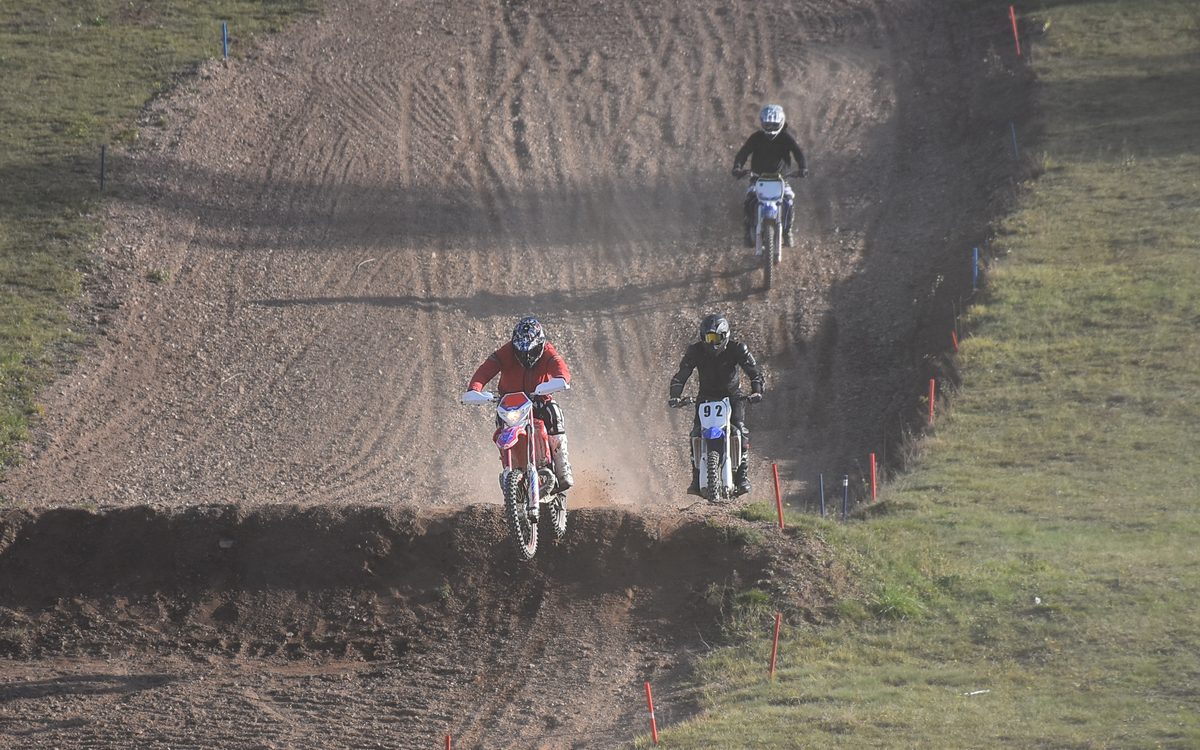
Friday night before the first race, a father is on the garage floor with a flashlight, spinning a wheel, checking the axle nuts and wondering whether the helmet his son has outgrown is still safe. BMX racing gear is the bike, the helmet and the clothing and pads that make a fast, crowded sprint on dirt safer and more comfortable. This page explains what matters most, how to check fit and condition, and where official standards end and marketing begins.
Quick answer: Put money and attention into the helmet, gloves, covered arms and legs and a bike that fits, in that order. Look for the standards named by the UCI and the US Consumer Product Safety Commission (ASTM F2032 for BMX helmets), not maker claims alone, and replace a helmet after a crash. Borrow before you buy: USA BMX says many tracks lend or rent bikes and helmets. No gear prevents injury, and a gear question after a fall belongs with a clinician.
General information, not medical advice. For prevention habits see injury prevention; for the first races see rules and getting started; for the sport as a whole, the BMX racing hub. Product cards below are examples from our research; always confirm sizes and certifications with the maker and on the label.
Start with the rules
What a track accepts is set by its rulebook. USA BMX’s 2026 rulebook requires enclosed shoes and recommends a full-face helmet, long sleeves and long pants. It bans kickstands, chain guards and freestyle pegs, requires flat pedals for riders 12 and under and Novices (clipless pedals only for riders over 12 at Intermediate and above), limits handlebar width to 30 inches and wheel size to 22.5 inches for Intermediate, Expert, Girls Expert and Pro riders, with cruiser classes above that. UCI Part 6 requires a full-face helmet with a visor of at least 10 cm, gloves, a long-sleeved jersey and long pants for its events. Call the track before you shop.
The helmet
The helmet is the one item worth a careful choice. The US Consumer Product Safety Commission (CPSC) says BMX helmets should meet ASTM F2032, that downhill mountain bike racing helmets are covered by ASTM F1952, and that no helmet has been proven to prevent concussion. ASTM F2032, according to a summary of its scope, is aimed at a higher risk to the head and face with impact protection over a larger area of the head. F1952, according to the helmets.org summary, has a lower test line and higher impact velocities, and a chin bar is not required but is tested if present.
- Fit. Measure the head, use the maker’s size chart, and check that the helmet sits level, does not rock and does not press on the cheeks or brow. Visors must let you see; the UCI requires one of at least 10 cm.
- Replacement. The CPSC says bicycle helmets are built for a single impact, so replace one after a crash. Absent maker guidance, the CPSC suggests replacing helmets after 5 to 10 years.
- Lab tests. In a 2016 drop-test study (DeMarco and colleagues) of 13 helmets, 9 of 10 certified helmets stayed under 300 g at 6 m/s, while none of the 3 uncertified ones did. Certification matters.
- Maker claims. Words like “extra safe” are not standards. Look for the sticker inside the helmet. A listing may say a helmet is certified; confirm on the helmet itself.
Gloves, shoes and body cover
Gloves protect palms and knuckles in a fall and give grip on the bars; the UCI requires full-finger gloves. Shoes need to be enclosed with a stiff, flat sole; USA BMX requires enclosed shoes. Long pants and sleeves protect skin from the abrasions that Fallon and colleagues (2025) found were the most common cycling injury type. The UCI says stretch leggings do not count as protective legwear in its rule. Elbow and knee pads, or combined knee and shin guards, are recommended by the UCI as options, and USA BMX allows pads that the track operator approves. Pads add cover but do not stop broken bones.
Neck and torso protection
The UCI lists rigid back, elbow, knee, shoulder and cervical protection as recommended, not required. In a 2018 study of 23 youth riders (Hurst and colleagues), neck braces reduced the number of head accelerations on an indoor track, but the study did not measure concussion, so we do not call them protective. Ask the track and a coach about local rules, and see a clinician if a rider has had neck pain.
The bike: fit and condition
BMX race bikes are built in sizes with names such as Micro, Mini, Junior, Expert and Pro. They are 20-inch wheel bikes for most classes, with a single gear, flat bars and a rear brake. A bike that is too big is harder to pump and control. For children, fit matters more than the badge, and a growing rider may need a new frame every year or two. A track operator or bike shop can check the size. Mongoose’s listing for the Title Pro gives a recommended rider height range, so check it against the rider.
Before every ride, general practice is to check tyre pressure, the brake, that the bars and stem are tight and straight, that wheel nuts are tight, the chain, and that grips and bar ends are solid with plugs. USA BMX also limits axle ends to a quarter inch beyond the nut, so trimmed or capped ends matter. Any crash is a reason to look for cracks and bent parts.
Examples from our research
These examples were checked against Amazon listings in October 2026; sizes, colours and stock change. The Bell Sanction 2 full-face helmet is listed by Amazon as carrying ASTM downhill and BMX certifications. The Fox Racing Dirtpaw glove has knuckle guards and a padded palm. The Fox Racing Launch Knee/Shin Guard combines knee and shin coverage. The Mongoose Title Pro is a 20-inch race bike aimed at beginner and returning riders. These are not tests or endorsements. We earn a commission on some Amazon purchases.
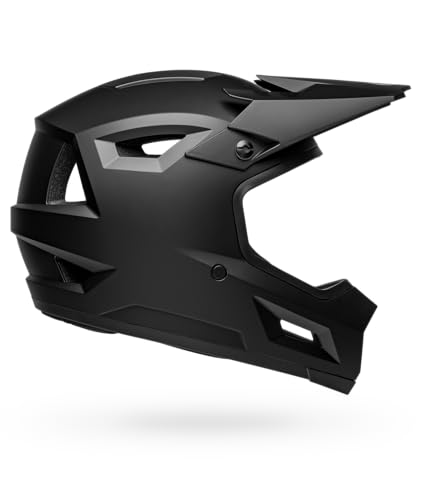
Bell Sanction 2 Full-Face Helmet
- Listed as ASTM downhill and BMX certified
- Removable cheek pads
- Check the size chart and the label inside
$131.26 at Amazon, as of Nov 17, 2026 02:07 UTC
Check price on Amazon
Fox Racing Dirtpaw Gloves
- TPR knuckle guards
- Padded palm
- Neoprene cuff

Fox Racing Launch Knee/Shin Guard
- Knee and shin coverage in one
- EVA side panels
- Abrasion-resistant front panel

Mongoose Title Pro BMX Race Bike
- 20-inch wheels
- Aluminum frame
- Check rider height range before ordering
After a crash
Replace the helmet, look over the bike and see a clinician for any head knock, numbness or pain that does not settle. Gear questions can wait; see our injuries page for what to do and when.
BMX racing gear FAQs
Do I need a full-face helmet for BMX racing?
The UCI requires a full-face helmet with a visor of at least 10 cm in its races, and USA BMX highly recommends full-face helmets at its events. Check the local track’s requirements.
What helmet standard should I look for?
The CPSC says BMX helmets should meet ASTM F2032, and downhill racing helmets ASTM F1952. Check the label inside. No helmet has been proven to prevent concussion.
When should I replace a helmet?
After any crash, because bicycle helmets are built for a single impact, and the CPSC says to consider replacement after 5 to 10 years if the maker gives no guidance.
What size BMX bike does a child need?
Sizes run from Micro and Mini up to Junior, Expert and Pro, and fit depends on the rider’s height and leg length. A track or bike shop can help; check the maker’s rider height range.
Can I use my skate shoes or sneakers?
USA BMX requires enclosed shoes, and a stiff, flat sole gives better pedal grip. Ask your track for its rules.
Sources
- USA BMX and BMX Canada 2026 rulebook
- UCI regulations Part 6, BMX Racing (2025)
- CPSC: Which Helmet for Which Activity?
- ASTM F2032 scope summary (iTeh)
- ASTM F1952 summary (helmets.org)
- DeMarco et al. 2016, helmet drop tests
- Hurst et al. 2018, neck braces in youth BMX
- Fallon et al. 2025, cycling injury meta-analysis
- USA BMX: The Sport
- Amazon listing: Bell Sanction 2
- Amazon listing: Fox Racing Dirtpaw
- Amazon listing: Fox Racing Launch Knee/Shin Guard
- Amazon listing: Mongoose Title Pro
General information for education only, not medical advice. It does not replace a sports medicine doctor, physical therapist or athletic trainer who knows you. Read how we work in our editorial policy.