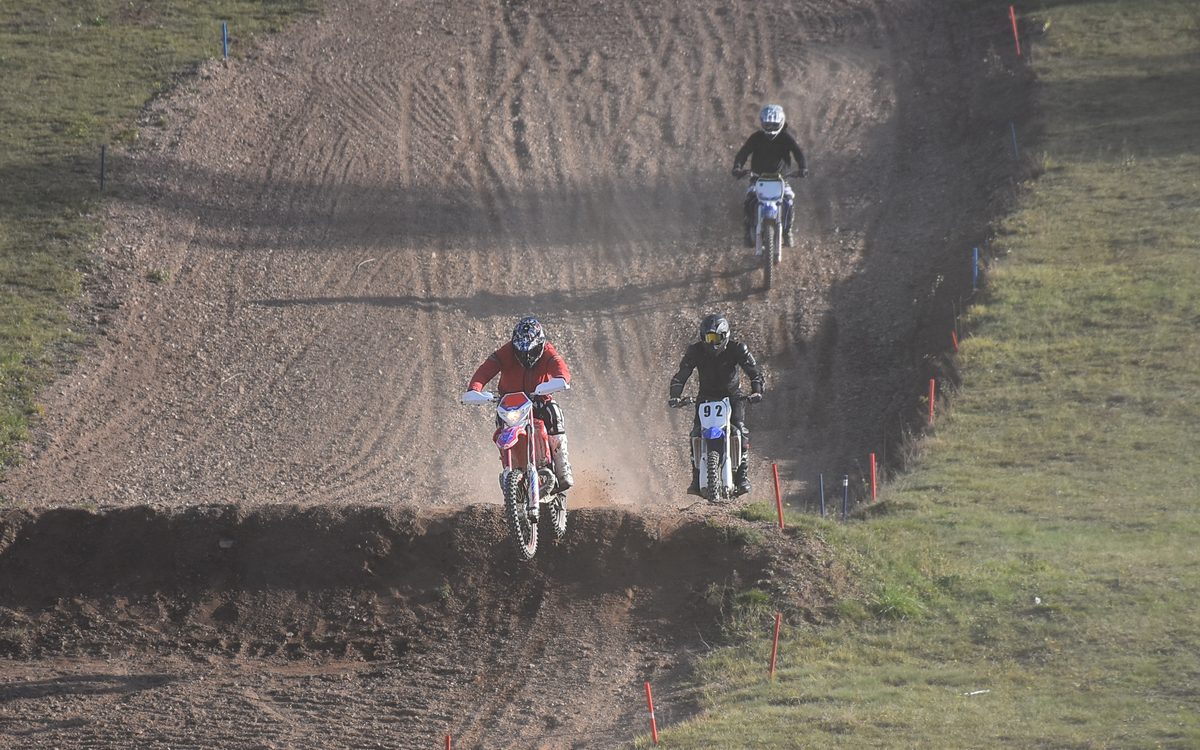
A rider clears the second jump, the front wheel drops a few centimetres early, and the bars slam into her stomach. She was lucky and rolled away sore. BMX racing injury prevention is the set of habits around a rider, a track suited to the rider’s level, the right protective gear, a sensible practice load, strength and honest reporting of pain, that aim to lower the chance of getting hurt. They lower the odds. They cannot promise anything, and BMX is a sport where falls happen.
Quick answer: Start with a track and ramp that match your level, a full-face helmet that fits and is replaced after a crash, gloves and covered arms and legs, then build practice load slowly and keep rest days. The 2025 scoping review of BMX injuries found few prevention strategies have been tested, so most advice is sensible habit, not proof. See a sports medicine doctor, physical therapist or athletic trainer for pain that stays, and call emergency services after a head injury with danger signs.
General information, not medical advice. What each injury looks like is on our BMX racing injuries guide, so we do not repeat it here. For the sport as a whole, start at the BMX racing hub.
Why prevention is harder in BMX
Researchers say the evidence is thin. A 2025 scoping review in Sports Health (Rockliff and colleagues) screened 1,856 articles, kept 37, and concluded that few prevention strategies have been evaluated and that most studies do not use recommended surveillance methods. The one idea it flagged as possibly helpful was reducing the number of riders per race. A 2025 meta-analysis across cycling disciplines (Fallon and colleagues) found BMX had the highest injury incidence of all, at 4.59 injuries per 365 days. So the steps below come from sources about helmets, load and general sport medicine, not from BMX prevention trials.
Warm up before you drop in
We did not find a published injury-prevention warm-up tested in BMX racers, so there is no named routine to point to. What coaches generally do is a short warm-up of easy riding, dynamic leg and hip movements and a few progressive practice starts before full-effort gates. This is common practice, not a sourced program. A cold, tight rider on a first run is more likely to make an error, and a rider who is warm tends to feel the bike better.
Pick the track and the ramp for your level
The UCI says the start ramp is 5 metres for younger or less experienced riders and 8 metres for elite riders, and USA BMX classes separate beginners from experts. The 2025 scoping review reported, from Rio 2016 data, that injuries were about 3.5 times more frequent in competition than in training. That is a reminder that race pressure makes riders take risks. Practical steps: learn a new track at an easy pace (USA BMX says so), ask track staff before trying a section above your level, and do not use jumps you cannot clear in practice.
Technique and the first corner
The scoping review summarised studies where falls over the handlebars and crashes while attempting stunts were common, and noted that handlebar impacts were linked with more serious injuries, including those needing intensive care or surgery. We could not find a study proving technique coaching lowers injury risk. Common sense says to master basics such as landing with wheels level, staying relaxed in the air and looking ahead, and to get coaching for gate starts. Bar-end plugs and checked handlebars are standard bike-check practice.
Practice load: how much, how fast
- Rest days. The American Academy of Pediatrics (Brenner, 2016) recommends 1 to 2 days off a week from a main sport and about 3 months a year away in 1-month blocks. It applies to youth sport generally.
- Hours. Jayanthi and colleagues (2015) found that young athletes training more hours a week than their age in years had higher odds of a serious overuse injury. Not BMX-specific.
- Changes in load. The IOC consensus on load (Soligard and colleagues, 2016) says poor load management is a major risk factor and that rapid increases are a concern. It gives no BMX numbers.
- Tired riders crash. Stop a session when speed or form drops, and take full rests between gates (general practice).
Strength, neck and balance
The American Academy of Pediatrics (Stricker and colleagues, 2020) says supervised resistance training is appropriate for children and adolescents when well taught. For BMX, a 2025 systematic review (Becerra-Patino and colleagues) recommended leg and shoulder strength for performance, not injury. One study looked at the head: Hurst and colleagues (2018) had 23 youth riders ride an indoor track with and without a neck brace and found fewer head accelerations with the brace. It did not measure concussion, and the authors suggested neck strength work alongside. Neck braces are not required by the rules we found and we cannot say they prevent injury.
Environment: heat, surface and crowds
Summer evening races can be hot. The National Athletic Trainers’ Association says heat acclimatisation takes 7 to 14 days, so ease into summer training and drink before the gate. On the track, wet, loose or rutted dirt changes how jumps land, so ask track staff to check. Crowding at the start is itself a factor: the scoping review said reducing riders per race from six to four lowered injury rates from 2.1 to 1.6 per 1,000, but the difference was not statistically significant.
Protective gear and fit: standards and claims
- Helmet. The UCI requires a full-face helmet with a visor of at least 10 cm; USA BMX highly recommends full-face. The US Consumer Product Safety Commission says BMX helmets should meet ASTM F2032 and that no helmet has been proven to prevent concussion. Bike helmets are built for one impact, so replace one after a crash.
- Lab tests. A 2016 drop-test study (DeMarco and colleagues) of 13 helmets found 9 of 10 certified helmets kept impact below 300 g at 6 m/s, while none of the 3 uncertified ones did.
- Body cover. UCI rules call for gloves, a long-sleeved jersey and pants; recommended extras include rigid back, elbow, knee, shoulder and cervical protection. USA BMX requires enclosed shoes and recommends long sleeves and trousers.
- Maker claims. A listing may say a helmet is certified; check the label inside the helmet you receive and the standards named above.
Safety gear does not remove the risk. Our BMX racing gear page lists options without promising protection.
Youth riders
Children and teens race in age groups from 5 and under. We found no BMX-specific youth prevention study beyond the neck-brace work above, so the AAP rest and strength guidance is the main sourced advice. See the youth BMX page.
What prevention cannot do
No routine or product ends the chance of a fracture or a concussion; riders hit the ground at speed. The goal is fewer, milder injuries, early care and a rider who tells someone when something hurts.
When to see a professional
See a sports medicine doctor, physical therapist or athletic trainer for pain that lasts, joint instability, numbness, or a fall that left a wrist, collarbone or shoulder sore. After a head injury, follow the CDC HEADS UP guidance and call 911 for danger signs such as repeated vomiting, a seizure, worsening headache or slurred speech.
BMX racing injury prevention FAQs
Is a full-face helmet required for BMX racing?
The UCI requires a full-face helmet with a visor of at least 10 cm for its races. USA BMX highly recommends full-face helmets in its 2026 rulebook; check your track’s rules.
Should I replace my helmet after a crash?
Yes, say the CPSC and most makers: bike helmets are made to take one impact. Replace it after a crash even if it looks fine.
Do neck braces prevent concussion in BMX?
Not proven. A 2018 study of 23 youth riders found fewer head accelerations with a neck brace but did not measure concussion.
Does warming up reduce BMX injuries?
No BMX warm-up trial was found. A short warm-up is widely taught for feel and readiness, but we cannot cite proof it prevents injury.
How many days a week can a young rider race or train?
There is no BMX-specific number. The AAP advises 1 to 2 days off a week and months away across the year; ask the coach and the child’s doctor.
Sources
- Rockliff et al. 2025, BMX injuries scoping review (Sports Health)
- Fallon et al. 2025, cycling injury meta-analysis
- Hurst et al. 2018, neck braces in youth BMX
- DeMarco et al. 2016, helmet drop tests
- CPSC: Which Helmet for Which Activity?
- UCI regulations Part 6, BMX Racing
- USA BMX and BMX Canada 2026 rulebook
- UCI: What is BMX Racing?
- AAP clinical report on overuse injuries, Brenner 2016
- Jayanthi et al. 2015
- IOC consensus on load, Soligard et al. 2016
- AAP, Stricker et al. 2020, resistance training
- NATA exertional heat illnesses
- CDC HEADS UP: signs and symptoms
General information for education only, not medical advice. It does not replace a sports medicine doctor, physical therapist or athletic trainer who knows you. Read how we work in our editorial policy.