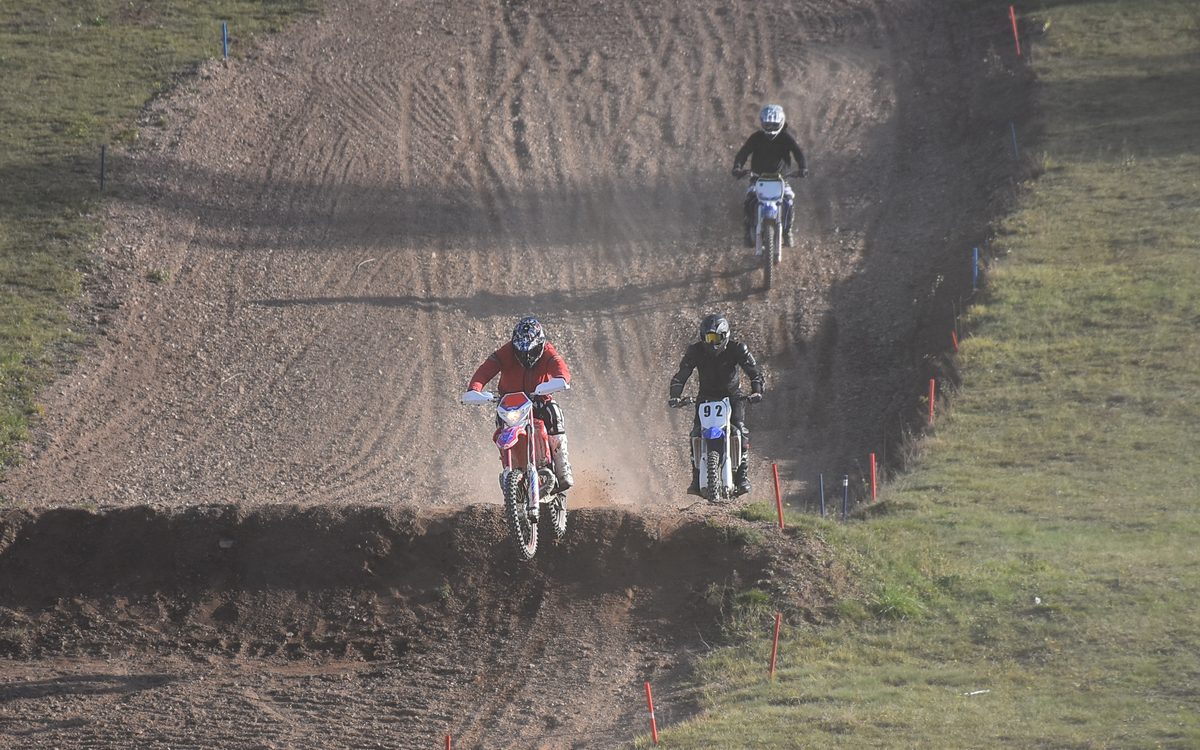
Sunday morning after a double-header weekend: the legs feel heavy on the stairs, the palms are sore from the grips, and a rider wonders whether to ride at midweek or give the body a break. BMX racing recovery is what happens between efforts and between race days: sleep, food, light movement, rest days and the decisions that let a body absorb training. This page covers sleep, load, mobility, what the research says about recovery methods (honestly, not much is strong) and how to tell soreness from injury.
Quick answer: Sleep and rest days do most of the work. Evidence for gadgets and treatments is mixed: cold-water immersion and massage may ease short-term soreness in some studies, but reviews rate the quality low and find no uniform benefit on performance. Normal soreness fades over days; sharp, one-sided, worsening or night pain, swelling or a change in how you ride should be checked by a sports medicine doctor, physical therapist or athletic trainer.
General information, not medical advice. See also training for building load, nutrition for fuel and injuries for injuries.
Why recovery looks different in BMX
A BMX race is under 40 seconds, according to the UCI, but a race day stacks several rounds with waiting in between, in the heat or the cold. A 2020 study of 14 male riders (Daneshfar and colleagues) used two races 15 minutes apart. The work is short and explosive, so the tissues taking the load are the legs, hands, wrists, shoulders and back, along with a lot of nervous energy. Recovery between motos on race day is practical: shade, fluids, food and keeping loose.
Sleep first
The 2021 expert consensus on sleep and the athlete (Walsh and colleagues, British Journal of Sports Medicine) notes that elite athletes are prone to short or poor sleep, that a night or more without sleep reduces performance, and that a one-size recommendation such as 7 to 9 hours is unlikely to suit everyone, so it recommends an individualised approach. For children, the American Academy of Sleep Medicine consensus gives 9 to 12 hours for ages 6 to 12 and 8 to 10 hours for 13 to 18. Evening races and travel make it harder, so plan an easy night after an evening moto.
Load and rest days
The IOC consensus on load (Soligard and colleagues, 2016) states that poor load management is a major risk factor for injury, and the AAP (Brenner, 2016) recommends 1 to 2 days off a week from a main sport for young athletes, plus longer breaks across the year. Practical steps, offered as general practice: alternate hard gate days with easier flow days, put the heaviest strength work away from race days, and treat a long season like a series of blocks with an easier week every so often.
Mobility and flexibility
Riders stand on the pedals, hold a crouched position and absorb landings, which can leave hips, hamstrings, calves, forearms and shoulders tight. Gentle mobility work after riding, such as hip and calf stretches, shoulder circles and wrist movements, is common practice and feels good for many riders. We did not find BMX-specific trials showing mobility work changes performance or injury risk, and strong stretching of a sore joint does not help an injury. If a joint is limited or painful, ask a physical therapist.
What the evidence says about recovery methods
- Cold-water immersion. A 2026 umbrella review of 14 reviews (Liang and colleagues) found cold-water immersion was linked with the most consistent reduction in self-reported short-term muscle soreness, but the importance of the effect is uncertain and evidence did not support a uniform benefit on performance or inflammation markers; review quality was low or critically low in 13 of 14.
- Massage and active recovery. A 2026 network meta-analysis (Hou and colleagues) suggested massage may ease early soreness and active recovery may help short-term explosive performance, with effects fading by 48 to 72 hours. It was based on studies of other exercise, not BMX.
- Foam rollers, compression boots, massage guns. We did not find BMX-specific evidence. Many athletes use them for comfort; the maker claims are not proof. See our Recovery & Regeneration guides.
- Sleep and food. The least glamorous options have the strongest support; our nutrition page covers fuel.
Cold or heat can be unsafe for people with heart conditions or poor circulation; ask a doctor first.
Soreness or injury?
Delayed-onset muscle soreness is the dull ache that peaks a day or two after unusual work and fades. A 2026 review (Jemni and colleagues) describes it as a multifactorial response, which is a reminder that soreness is normal after hard training. By contrast, pain that is sharp, localised, one-sided, getting worse, present at rest or at night, with swelling, a pop, numbness or instability after a fall, may be an injury. AAOS, for example, says wrist pain at the base of the thumb that does not improve within a day should be checked. After a head impact, see the CDC HEADS UP guidance and do not wait it out.
BMX racing recovery FAQs
How many rest days does a BMX racer need?
There is no BMX-specific number. The AAP recommends 1 to 2 days off a week for young athletes. Adult riders also benefit from regular rest; a coach can tailor it.
Is an ice bath worth it after racing?
Reviews suggest it may reduce short-term soreness but not consistently help performance, and the quality of the reviews is low. It is optional, and not for everyone, so check with a doctor if you have a heart condition.
How can I recover between motos on race day?
General practice: get out of the sun, sip fluids, eat something light and familiar and keep warm or cool as the weather requires. See our nutrition page for fuel.
Should I stretch every day?
Gentle mobility is fine for most riders, but we found no BMX evidence that it prevents injury. Do not stretch hard into a painful joint.
When is soreness a reason to see someone?
If pain is sharp, getting worse, one-sided, wakes you at night, comes with swelling or numbness, or follows a fall, see a sports medicine doctor, physical therapist or athletic trainer.
Sources
- UCI: What is BMX Racing?
- Daneshfar et al. 2020, power analysis of field-based BMX
- Walsh et al. 2021, sleep and the athlete: expert consensus (BJSM)
- AASM pediatric sleep duration consensus
- IOC consensus on load, Soligard et al. 2016
- AAP clinical report, Brenner 2016
- Liang et al. 2026, cold-water immersion umbrella review
- Hou et al. 2026, recovery strategies network meta-analysis
- Jemni et al. 2026, delayed-onset muscle soreness review
- AAOS OrthoInfo: scaphoid fracture
- CDC HEADS UP: signs and symptoms
General information for education only, not medical advice. It does not replace a sports medicine doctor, physical therapist or athletic trainer who knows you. Read how we work in our editorial policy.