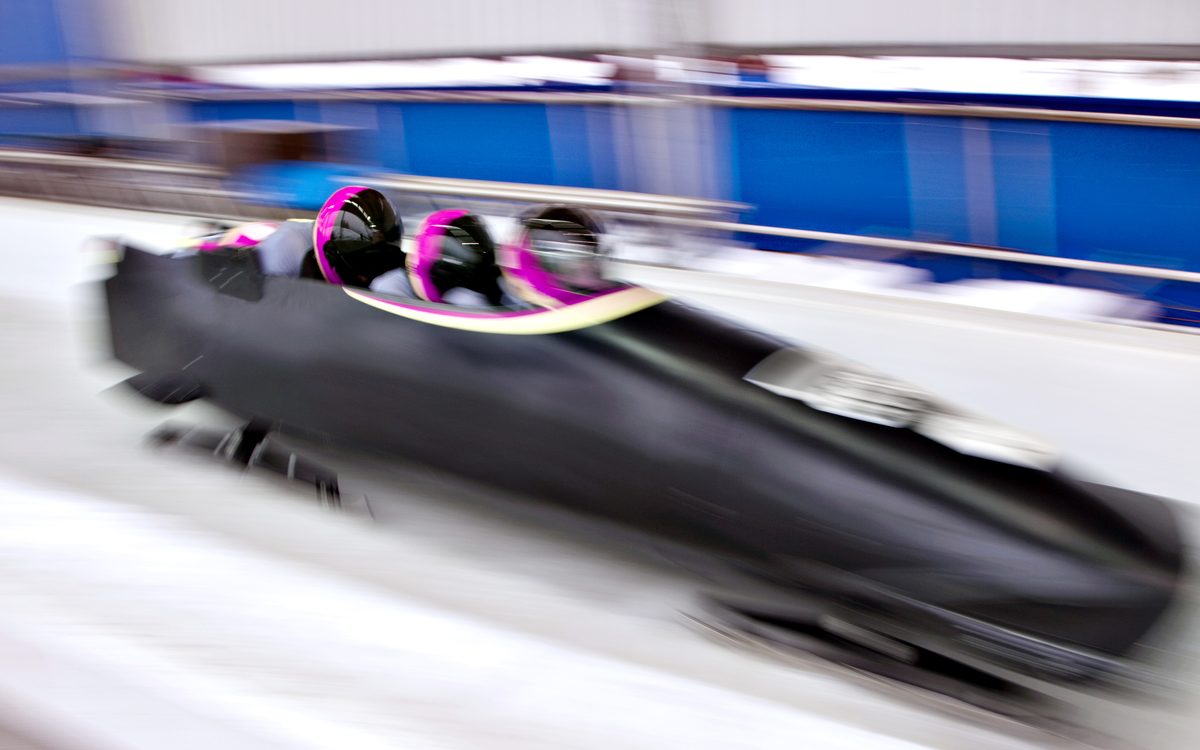
A breakfast tray in a shared athletes’ hotel, a cold start house, and a long day of runs with long gaps between them. Bobsleigh nutrition is mostly about steady fuel for heavy lifting and sprint sessions, enough fluid even when it is cold, and keeping health in view when body mass is part of the conversation. Supplements get the most attention and deserve the most caution. This page uses sports nutrition position statements and gives general information only; a registered dietitian who works with athletes is the right person for a personal plan.
Quick answer: Food comes first: enough energy and protein for heavy training, carbohydrate around hard sessions, and fluids even in the cold. The IOC says supplements can make only a minor contribution, and only a few (caffeine, creatine, buffering agents and nitrate) have good evidence. Any supplement carries a risk of banned substances, so third-party certified products and professional advice matter. See a doctor or registered dietitian for personal advice, and for any sign of under-eating, repeated injury or fatigue.
General information, not medical advice and not a diet plan. Related: training, recovery, bobsleigh hub.
Fuel for a power sport
The 2016 position statement of the Academy of Nutrition and Dietetics, Dietitians of Canada and the American College of Sports Medicine says performance and recovery are enhanced by well-chosen nutrition strategies and gives guidelines on the type, amount and timing of food, fluids and supplements. It says athletes should be referred to a registered dietitian nutritionist for a personalised plan. We do not give calorie or gram targets here because they depend on the person.
For a power sport with short sprint efforts and heavy lifting, the practical points that follow from the position statement are the same as for other strength and sprint athletes: build meals around protein, carbohydrate and vegetables, make sure there is fuel before hard sessions, and eat again afterwards. A dietitian can fit this to your training phase, travel and food access.
Fluids in the cold
Cold air does not mean low fluid needs. Athletes can forget to drink when it is not hot, and heated rooms and heavy clothing still cause sweat. Follow the hydration guidance in the ACSM position statement and your team staff, and carry fluid to the start house. The CDC advises dressing in layers and recognising the early signs of hypothermia and frostbite.
Body mass, weight rules and RED-S
Bobsleigh has no weight classes in the Olympic events, but reference summaries say sled-and-crew weight is capped, so body mass is discussed. We did not find a study of body-mass pressure or energy deficiency in bobsleigh athletes. The 2023 IOC consensus on Relative Energy Deficiency in Sport (REDs) describes harmful health and performance effects when energy intake is too low for the energy spent in training, in both female and male athletes. It also notes a link between REDs and mental health. Possible signs include repeated injuries or illness, unusual fatigue, stalled training progress and a preoccupation with food or weight. This page cannot diagnose anything. If you notice these, talk to a sports medicine doctor or registered dietitian. Anyone worried about eating can also call or text the 988 Lifeline in the US.
Gaining weight for the push can be just as risky as cutting it when it is rushed or done without guidance. Any plan to change body mass should be set up with a dietitian and a coach.
Supplements: what the statements say
- Food first. The IOC consensus statement says nutrition makes a small but valuable contribution to elite performance and supplements a minor one. It says a complete nutritional assessment should come before decisions about supplements.
- Few have good evidence. The IOC lists caffeine, creatine, specific buffering agents and nitrate as having good evidence of benefit, with responses that vary between people. Anything meant to boost performance should be tried in training before competition.
- Banned-substance risk. The IOC says inadvertent ingestion of prohibited substances is a known risk of taking some supplements. Federations test athletes, so read the WADA Prohibited List and ask your federation.
- Third-party testing. USADA currently recognises NSF Certified for Sport as the program best suited to reduce the risk, and says certification reduces risk but does not remove it. Verify the product and batch in the certifier’s database, since logos have been misused.
- Stimulants and young athletes. Caffeine is not for everyone (sensitivity, heart conditions, pregnancy). Check with a doctor, and do not give supplements to children or teens without medical advice.
We do not recommend doses or products on this page, and we do not make health claims for any supplement. Product comparisons are on other parts of the site; see our sports hub for general guides.
Illness and travel
At PyeongChang 2018, bobsleigh was among the sports with the highest illness incidence (14%), and 70% of illnesses across the Games affected the respiratory system. Sleep, hand washing and good fuel are sensible habits when travelling between tracks; they are habits, not guarantees.
Bobsleigh nutrition and supplement FAQs
What should bobsleigh athletes eat?
A registered dietitian should set it. The 2016 ACSM, Dietitians of Canada and Academy position statement says well-chosen food, fluids and timing support performance and recovery.
Do bobsleigh athletes take creatine?
Some do. The IOC lists creatine as one of the few supplements with good evidence for performance, but responses vary and any supplement carries risk. Ask a doctor or dietitian first.
How do I know a supplement is safe for sport?
No product is risk-free. USADA currently recognises NSF Certified for Sport, and says to verify the specific product and batch. Check the WADA Prohibited List too.
Does the sled weight limit mean I should gain or lose weight?
Do not change your weight on your own. We found no guideline, and rushed changes can harm health. Plan any change with a dietitian and your coach.
What is REDs?
Relative Energy Deficiency in Sport: health and performance problems that can follow when energy intake does not match training. The IOC 2023 consensus covers it. See a doctor if you suspect it.
Sources
- Academy of Nutrition and Dietetics, Dietitians of Canada and ACSM position: nutrition and athletic performance (2016)
- IOC consensus statement: dietary supplements and the high-performance athlete (2018)
- IOC consensus statement on Relative Energy Deficiency in Sport (REDs) 2023
- USADA: reduce your risk with supplements
- WADA: Prohibited List
- Injury and illness incidence at PyeongChang 2018, Br J Sports Med 2019
- CDC: preventing hypothermia and frostbite
- 988 Suicide and Crisis Lifeline
General information for education only, not medical advice. It does not replace a sports medicine doctor, physical therapist, athletic trainer, licensed mental health professional or qualified coach. See our editorial policy for how we research and write.