This article contains affiliate links: if you buy through them we may earn a commission, at no extra cost to you. Read our affiliate disclosure.
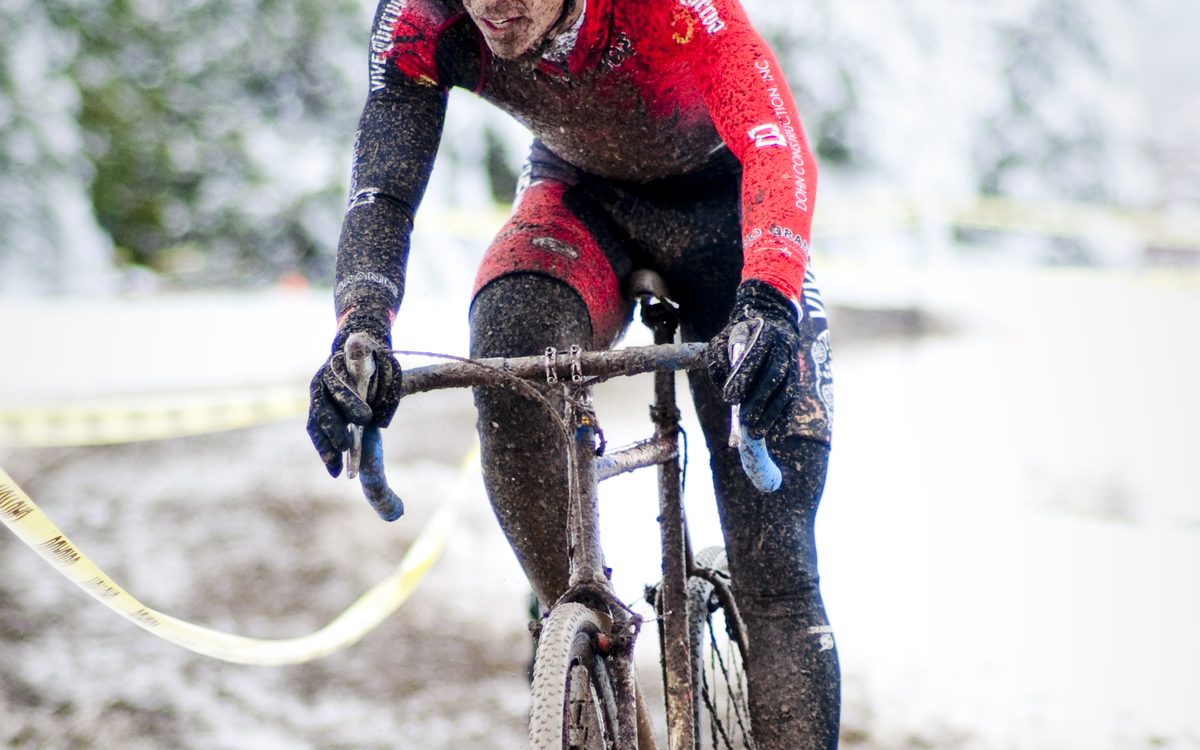
After a muddy Saturday there is a row of bikes at the car park, one with a brake rubbing on caked mud, another with a tyre that is nearly flat. The rider who checks the bike on Friday night starts Sunday calmer. Cyclocross gear is a short list: a bike that is safe and legal for the event, tyres that suit the course, a helmet that fits, clothes for cold and wet, and a spare wheel or bike for the pit. This page covers what matters, how to check fit, which rules affect equipment, and a few products. See the cyclocross hub for the sport.
Quick answer: Start with what is required: a working bike with a freewheel and hand-operated brakes on both wheels, no spikes or studs on tyres, and a securely fastened helmet that meets the standard. Many beginner races accept other bikes with knobby tyres, so ask the promoter. Keep it simple, inspect the bike before every race, and treat maker claims such as MIPS as claims, not part of the legal standard.
Our top picks

Giro Register MIPS Helmet
- MIPS rotational liner (maker)
- Universal adult fit (54-61 cm)
- Meets CPSC standard
$39.99 at Amazon, as of Nov 17, 2026 02:07 UTC
Check price on Amazon
Polar H10 Heart Rate Sensor
- Chest strap
- Bluetooth and ANT+
- Works with many watches and apps
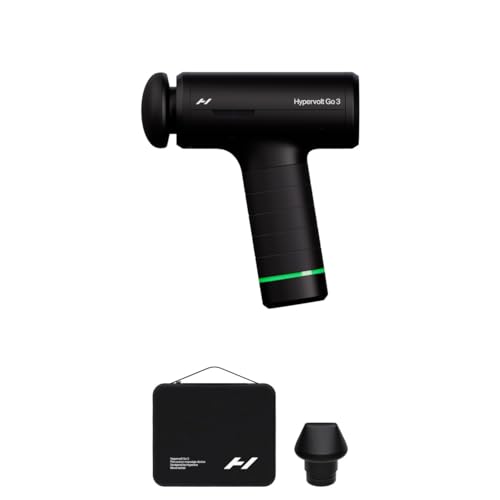
Hypervolt Go 3
- Portable percussion massager
- Comfort tool, not treatment
- Travel size
$149.00 at Amazon, as of Nov 17, 2026 02:07 UTC
Check price on Amazon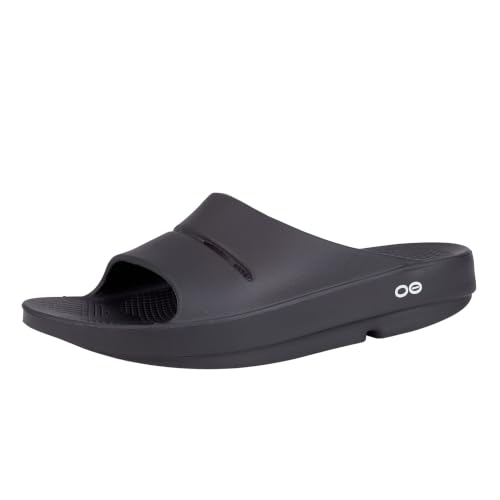
OOFOS OOahh Slide
- OOfoam slide
- APMA Seal of Acceptance
- Machine washable
$59.95 at Amazon, as of Nov 17, 2026 02:07 UTC
Check price on AmazonThe bike: what the rules say
The USA Cycling rulebook says bicycles in competition must be propelled by the rider’s legs alone, with no fairings. For cyclo-cross, only a bicycle with a freewheel and one working brake on each wheel may be used, brake controls must be hand operated, and tyres must not have spikes or studs. Bikes may be no more than 2 metres long and 75 cm wide. Bikes used at national championships for UCI classes, and at events that select riders for national teams, must follow the current UCI regulations, and UCI events apply a tyre-width limit reported as 33 mm; check the UCI text for details. Local races vary, so many welcome mountain or gravel bikes, but ask the promoter. Riders 14 and under must use massed-start bikes with at least 16 spokes and no wheel covers. There is no gear limit for junior cyclocross riders. Riders are responsible for their equipment being adequate and safe, and officials can inspect it.
Tyres, pressure and brakes
This section is general practice, not rule text. Cyclocross tyres range from slick-ish treads for dry courses to deep knobs for mud. Many riders run lower pressure than on the road for grip and comfort, and adjust for the course, tyre width and rider weight. Test in practice, because the right setting changes with conditions. Mud wears brake pads quickly, so check them often and keep the spare wheel set ready for the pit. The rulebook says the pit is the only place to change wheels or bikes, riders cannot swap equipment with each other, and a second bike in the pit is a common approach of experienced racers.
Helmet: standard first, then fit
The US Consumer Product Safety Commission bike helmet standard has applied to helmets sold in the US since 1999, and the CPSC says to replace a helmet after a crash. The USA Cycling rulebook requires a securely fastened helmet for anyone riding at an event held under its permit. Fit comes next: the helmet should sit level, snug without pinching, and not move when you shake your head. The Giro Register MIPS is an everyday adult helmet; the maker describes MIPS as a rotational-impact liner, a claim we have not independently tested. See the injury prevention page for more on helmets and head injuries.
Clothing for cold, wet racing
The National Athletic Trainers’ Association statement on environmental cold injuries identifies cold, wet and windy conditions as a risk. For racing, many riders use a base layer, a skinsuit or jersey and tights suited to the temperature, gloves and a cap or headband, then keep dry clothes ready for after the finish. Shoe covers are permitted in any conditions under the USA Cycling rulebook, while additional covering to protect against rain or cold may be worn. These are general suggestions; dress for the start line, not the warm-up.
Tracking and recovery tools
A chest-strap monitor such as the Polar H10 lets you see heart rate during interval sessions and works with many watches and apps, according to the listing. A percussion massager like the Hypervolt Go 3 is a comfort tool some riders use after hard days; it is not treatment, and the evidence for recovery tools is mixed, as the recovery page explains. Soft slides such as the OOFOS OOahh, which the listing says carry the American Podiatric Medical Association Seal of Acceptance, are easy on the feet after hours in stiff cycling shoes. None of these products is required.
Pre-race gear check
- Brakes work and pads have life; levers firm.
- Wheels spin true, tyres are mounted and pressure is set.
- Bolts on stem, handlebar and cleats are snug; chain is clean and lubricated.
- Helmet fits, undamaged and not past a crash; number pinned or fitted as the race requires.
- Dry clothes, spare gloves, water and a pump are in the car.
Cyclocross gear FAQs
Do I need a cyclocross bike?
Not always. Many local beginner classes accept other bikes with knobby tyres and working brakes, but UCI events and national championships have equipment rules, so check the race announcement.
Are studded tyres allowed?
No. The USA Cycling rulebook says that in cyclo-cross, tyres must not incorporate any type of spike or stud.
Is a MIPS helmet required?
No. The requirement is a securely fastened helmet that meets the standards in USA Cycling policy. MIPS is an optional maker-described feature.
Do I need a second bike?
Not for a first race. The pit lets riders change wheels or bikes, and many experienced riders use it, but it is not required.
What should I wear in the cold?
Layers suited to the temperature, gloves, a cap, and dry clothes for after. Dress for the start, not the warm-up.
Related: skills, rules and getting started, training and the cycling hub.
Sources
- USA Cycling Rule Book, July 2025 (bicycles, helmets, uniform, Chapter 4)
- CPSC: which helmet for which activity
- NATA position statement: environmental cold injuries, 2008 (PubMed)
- Giro Register MIPS listing
- Polar H10 listing
- Hypervolt Go 3 listing
- OOFOS OOahh Slide listing
General information for education only, not medical advice. It cannot diagnose or treat anything or replace a sports medicine doctor, physical therapist, athletic trainer or registered dietitian. See our editorial policy for how we research and write.