This article contains affiliate links: if you buy through them we may earn a commission, at no extra cost to you. Read our affiliate disclosure.
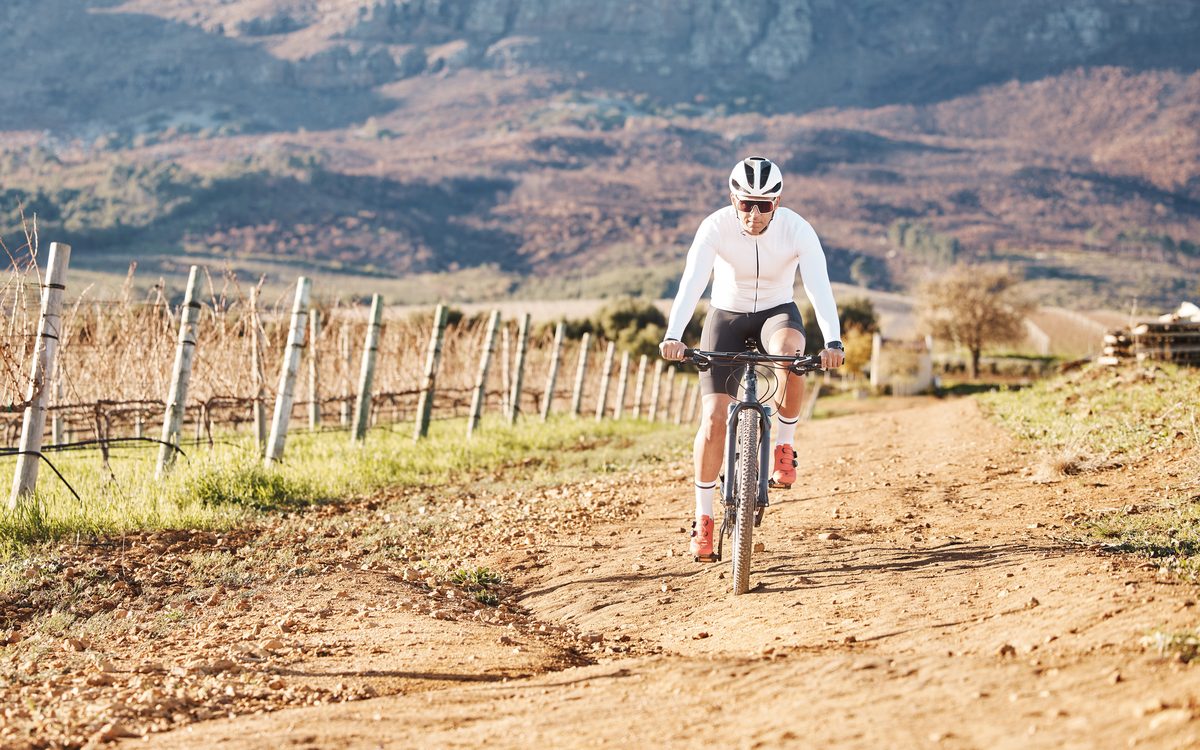
The night before a gravel event, a garage floor gets covered: bike, helmet, spare tube, pump, multi-tool, two bottles, lights, snacks, a phone in a bag. Gravel cycling gear is mostly bike setup and a short list of items you will rely on far from help. This page covers what matters, how to check it, what standards exist and where a maker’s claim is not the same as testing. It names a few products as examples, not as recommendations from experts or tests.
Quick answer: Start with a bike that fits and has enough tire clearance, and a helmet that meets the CPSC standard and fits properly. Then add lights, repair tools and food and drink you have tested on long rides. Standards and rules, not maker claims, are what to check; replace a helmet after a crash and inspect the bike before every ride.
General information, not medical advice. Part of the gravel cycling hub; see also the cycling hub. Fitting and safety advice is on our injury prevention page.
Example products
These are examples of items riders commonly use; we have not tested them and do not claim endorsement by any athlete or expert. Specs below come from the makers and listings.

Giro Register MIPS Helmet
- MIPS rotational liner (maker)
- Universal adult fit (54-61 cm)
- Meets CPSC standard
$39.99 at Amazon, as of Nov 17, 2026 01:07 UTC
Check price on Amazon
Garmin Varia RTL515 Radar Taillight
- Radar detects vehicles up to 140 m (maker)
- Up to 16 h in day flash mode (maker)
- Radar and taillight in one unit (maker)
$149.98 at Amazon, as of Nov 17, 2026 01:07 UTC
Check price on Amazon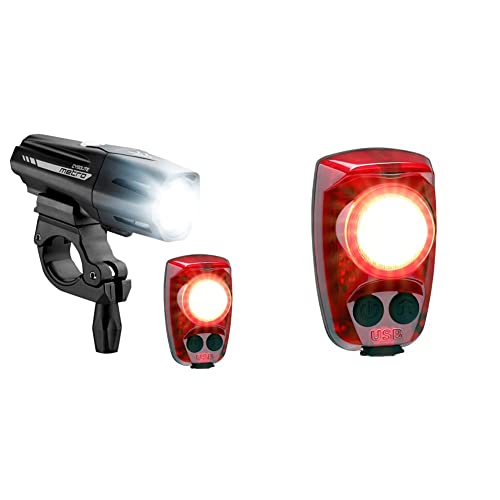
Cygolite Metro Plus 800 and Hotshot Pro 150 Light Combo
- 800-lumen headlight, 150-lumen taillight (listing)
- USB rechargeable (listing)
- Front and rear set

Skratch Labs Hydration Sport Drink Mix
- 400 mg sodium per serving
- NSF Certified for Sport (maker)
- Mix in your bottle
$23.95 at Amazon, as of Nov 17, 2026 01:07 UTC
Check price on Amazon
Chamois Butt'r Original
- Chamois cream
- Non-greasy, rinses off (listing)
- 8 oz tube
Bike and fit
The bike matters most, and fit matters more than brand. The AAOS says a properly sized frame, handlebar and seat reduce overuse risk and suggests considering a professional fit. A 2026 review of bike fitting (Barrajon and colleagues) found lower back pain reductions after fitting in small studies. Gravel bikes are generally drop-bar bikes with clearance for wider tires and relaxed geometry, but mountain bikes, cross bikes and road bikes are all ridden on gravel. Rules can limit your choice: race previews of the UCI world championships reported drop handlebars were required and mountain bikes were not permitted, but those details came from race-level documents. Check the event’s own rules before you buy anything for it.
Tires and pressure
Tires do the most for comfort and grip on loose ground. UCI championship previews reported no minimum or maximum tire width in the rulebook, which suggests tire choice is largely your call; again, check the event. General bike-shop practice, not a sourced standard: wider tires and lower pressures usually add comfort and traction, tubeless setups can resist punctures and are commonly used, and the right pressure depends on rider weight, tire and surface. Check the tire sidewall for the maker’s pressure range, and ask a good shop.
Helmet, standards and claims
In the United States, bicycle helmets sold since 1999 must meet the CPSC safety standard, and the CPSC advises replacing a helmet after a crash, since impact damage may not be visible. A 2017 meta-analysis (Olivier and Creighton) linked helmet use with about half the odds of head injury. Fit matters: the helmet should sit level and the straps should be snug. Maker claims, such as a rotational-impact liner (MIPS), are described by makers; the CPSC standard is the legal baseline, and we are not making any effectiveness claim. The injury prevention page has the evidence.
Lights and visibility
Rural gravel roads still carry vehicles, and dawn, dusk and shade make bikes hard to see. The AAOS recommends a headlight and taillight visible from 500 feet at night, and the League of American Bicyclists lists a white front light and red rear light and reflectors as part of its rules of the road. A rear radar light such as the Garmin Varia RTL515 detects vehicles approaching from behind (up to 140 metres, per Garmin), but a light alerts you to a vehicle; it does not prevent a collision. We found no controlled study on a radar light, so treat it as an alert tool.
Repair kit and carrying
- Spare tube or plug kit, pump or CO2, tire levers, multi-tool and a chain link. General practice; learn to use them at home first.
- A phone in a waterproof pouch, a small first-aid kit and a bit of cash.
- Frame, top-tube and saddle bags let you carry food and spares without a backpack. Fit them so they do not rub the bars or the legs.
- Two bottles or a hydration pack, because remote stretches can be long.
Comfort items
Padded shorts, gloves and bar tape matter on rough roads: British Cycling’s physiotherapy guidance lists padded gloves and changing hand positions as steps for hand numbness. For saddle sores, a 2026 interview study of 20 competitive female cyclists (Burnie and colleagues) found them highly prevalent; fit, clean shorts and chamois cream are everyday steps, such as a product like Chamois Butt’r. Persistent or painful sores deserve a clinician.
Gear inspection checklist
- Tires: cuts, pressure and sealant (if tubeless).
- Brakes: pads, rotors and a firm lever.
- Chain, cassette and bolts: clean, lubricated, tight.
- Helmet: no cracks, straps snug, replaced after any crash.
- Lights: charged and mounted.
More on the sport: the cycling hub, road cycling, cyclocross and mountain biking, plus our electrolyte powder guide.
Gravel cycling gear FAQs
Do I need a gravel bike?
Not necessarily. A bike with enough tire clearance and good brakes works for many events, but check each event’s rules.
How wide should gravel tires be?
UCI championship previews reported no minimum or maximum width. In general practice, width depends on the terrain; ask a good bike shop.
Should I replace a helmet after a crash?
Yes. The CPSC advises it, because impact damage may not be visible.
Is a radar taillight worth it?
It can alert you to approaching vehicles. We found no controlled study showing it prevents crashes.
What should I carry on a long ride?
General practice: spare tube or plug kit, pump, multi-tool, phone, first-aid kit, water and food.
Sources
- CPSC: which helmet for which activity
- Olivier and Creighton 2017, bicycle injuries and helmet use
- AAOS OrthoInfo: bicycle safety
- League of American Bicyclists: rules of the road
- Barrajon et al. 2026, bike fitting and lower back pain
- British Cycling physiotherapy: hand and wrist pain on the bike
- Burnie et al. 2026, female cyclists and saddle sores
- Cyclingnews: UCI Gravel World Championships, a comprehensive tech preview
- Garmin: Varia RVR315 and RTL515 press release
General information for education only, not medical advice. It does not replace a sports medicine doctor, physical therapist, athletic trainer or registered dietitian. See our editorial policy for how we write and update pages.