This article contains affiliate links: if you buy through them we may earn a commission, at no extra cost to you. Read our affiliate disclosure.
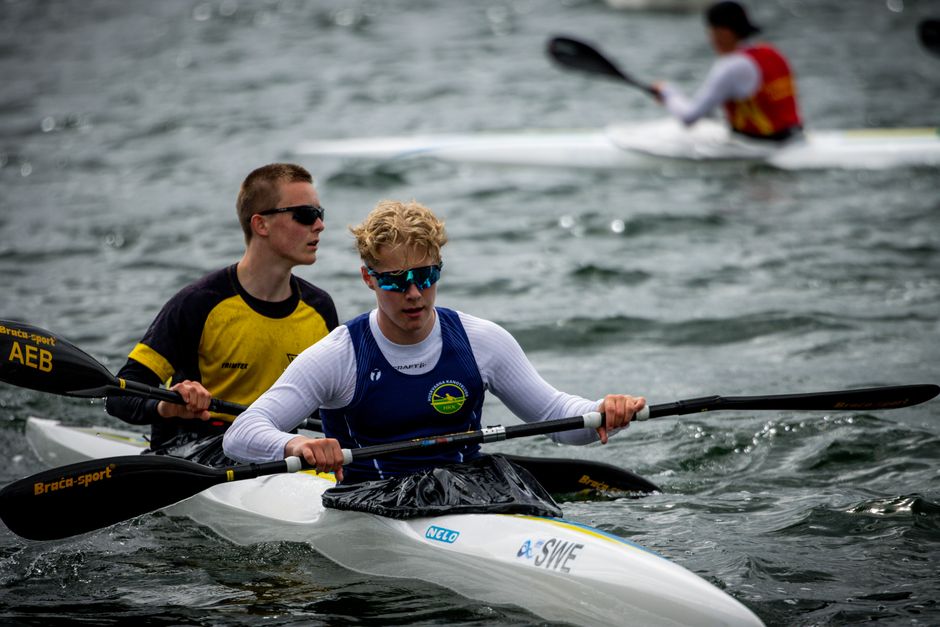
Six paddlers are loading boats at a lake put-in before a weekend trip. One checks that her life jacket is buckled before she even touches the water, another zips a dry bag with a spare layer, and a third rotates his shoulders and says today he is going to paddle with his body instead of his arms. None of that is exciting, and all of it is what kayaking injury prevention looks like: the habits paddlers build before, during and after a trip to lower the odds of drowning, cold-water trouble, a shoulder dislocation, an overuse injury or a sunburned day.
Quick answer: Wear your life jacket (the US Coast Guard counted 60 of 77 kayak drowning victims in 2024 without one), dress for the water temperature rather than the air, practice wet exits and rescues, and paddle with your torso instead of your arms to spare your shoulders. See a doctor, physical therapist or athletic trainer for a shoulder that came out, pain that keeps returning, or numb hands after a cold trip, and call 911 or the Coast Guard (VHF 16) in an emergency.
General information, not medical advice. This page is about lowering risk. For what each kayaking injury looks like and what to do after one, see our kayaking injuries guide. Back to the kayaking hub.
Life jackets: the habit with the strongest numbers
The Coast Guard’s Boater’s Guide says each person on board needs a wearable, Coast Guard-approved life jacket that is good and serviceable and the right size. Federal rules are the floor, not the goal. A life jacket stowed under bungees can drift away from you in a capsize, and the American Canoe Association (ACA) notes that getting one on in the water after a capsize is extremely difficult.
- Choose a style you will keep on. Paddling vests are cut with large arm openings and a short or mesh back for seat backs. Try one on in the clothes you will paddle in and sit in a boat seat before you buy.
- Check fit with a partner. The ACA’s “Zip it, buckle it, fit it” check: fasten everything, then have a partner lift gently at the shoulders; the jacket should stay secure. The Coast Guard says fit, snug but not tight, is the most important characteristic.
- Match the jacket to the water. On rivers, American Whitewater recommends a snug, vest-type Coast Guard-approved whitewater jacket (Performance Level 70, Type III or V). The Coast Guard does not recommend inflatables for anyone under 16 or for non-swimmers.
- Carry a whistle on the outside of the jacket. American Whitewater says three blasts should be kept for emergencies.
- Alcohol. The Coast Guard lists it as the leading known contributing factor in fatal boating incidents.
Cold water: prepare before you get wet
The National Weather Service calls water at 70°F or lower cold water and says muscle control can fail within about 10 minutes. Prevention is mostly about what you wear and what you plan for. American Whitewater calls a wetsuit or drysuit essential below 50°F water, with wool or synthetic layers (never cotton) as the next best choice; the Coast Guard has encouraged wetsuits or drysuits in water below 65°F. The ACA’s beginner guide adds a rule of thumb: when air plus water temperature adds up to less than 120°F, consider specialized paddling clothing.
- Check the water temperature as well as the forecast. A warm afternoon over a cold lake is still a cold-water day.
- Use the 1-10-1 memory aid. Physiologist Gordon Giesbrecht’s summary is one minute to control cold-shock breathing, about ten minutes of useful movement, and about an hour before hypothermia. The National Center for Cold Water Safety cautions that these are teaching numbers, not a promise.
- Protect your hands on long cold trips. In a 2022 survey of 609 paddlers who trained in cold conditions, 23% reported symptoms that fit non-freezing cold injury. Numbness or pain that lingers after paddling deserves a doctor’s visit.
Wet exit and rescue skills are prevention too
The Coast Guard’s Boater’s Guide asks kayakers a pointed question: can you climb back into the boat with all your gear on, and have you practiced? Skills you have rehearsed turn a capsize into an inconvenience. Practice them in warm, shallow water or a pool, with a qualified instructor; the ACA lists certified instructors and courses.
- Wet exit: in a sit-inside kayak, learn to pull the spray skirt’s grab loop and slide out while upside down until it is automatic. American Whitewater warns that a skirt can be hard to release if the grab handle is not exposed, so keep the loop outside.
- Re-entry: practice climbing back onto a sit-on-top, and assisted and paddle-float re-entries for sit-inside boats.
- River swimming: American Whitewater says never to try to stand in fast-moving water, because a foot can wedge and the current can push you under. Swim to slow or knee-deep water first, and stay away from strainers (trees and logs in the current).
- Paddle with others. American Whitewater strongly discourages solo river trips and points to groups of three or more people in at least two boats as giving more chances to rescue. A float plan, which the Coast Guard recommends to kayakers, tells someone ashore when to worry. See paddle day and race day.
Warm-up
We did not find a published, tested warm-up program for kayaking, as there is for soccer (FIFA 11+). What follows is common coaching practice, not a proven protocol: a few minutes of easy movement on shore, gentle shoulder circles and trunk rotations, then an easy first ten minutes on the water before any hard effort.
Technique that protects shoulders, wrists and back
Rotating the torso and pushing on the foot pegs spreads the work over large muscles; our kayak training guide explains the stroke. Three details matter for prevention:
- Keep the arm out of the danger position. A UK hospital series of 57 paddler shoulder injuries found that capsizes, bracing and rolling were common causes, with the arm raised and turned out. Many instructors teach hands in front of the shoulders and elbows low on braces and rolls; learn them from an instructor rather than from a video alone. A dislocated shoulder is an emergency according to the American Academy of Orthopaedic Surgeons (AAOS), so do not try to put it back yourself.
- Loosen the grip. A relaxed grip, with open fingers on the push side and a shaft that fits your hand, is common coaching advice for the wrist tendons. It is not a tested prevention method, and wrist pain that keeps returning should be looked at.
- Sit tall. A seat and footrest that fit you, and a stretch break on long trips, are general guidance for the low back, which was the most injured site in elite teenage flatwater kayakers in a 2025 study.
Building up the load
We found no published rule such as “add 10% a week” for paddlers. The Australian race survey did find more shoulder and low-back injuries at lower training volumes, which fits the story of a long trip after a winter on the couch. Sensible habits are to add distance gradually, mix easy and harder paddles, and take rest days. For young athletes, the American Academy of Pediatrics (AAP) recommends at least one or two days off a week from organized sport. See the sample week on our training page and our kayaking recovery guide.
Strength and mobility off the water
Research that bears on prevention is limited and mostly in young sprint paddlers. In a 6-month randomized trial of 103 young kayak and canoe athletes, a trunk program improved core strength, low-back control and posture compared with a control group. The Swedish flatwater study (31 kayakers; those with shoulder pain had less inward rotation) suggested screening shoulder-blade control and rotation range. A light band routine for the rotator cuff and shoulder blades, plus rotational core work, is the usual plan; the details are on the training page. No study has shown that these exercises prevent injuries in adult recreational paddlers, so treat them as sensible habits, not guarantees; nothing on this page promises a safe day.
Sun, heat, weather and water hazards
- Sun: the American Academy of Dermatology recommends broad-spectrum, water-resistant SPF 30 or higher sunscreen, reapplied every two hours and after getting wet, plus protective clothing, a hat and sunglasses.
- Heat: the National Athletic Trainers’ Association (NATA) says exertional heat stroke is an emergency that needs rapid cooling, ideally cold-water immersion, and a call for help. Confusion or collapse on a hot day should be treated that way.
- Lightning: NATA’s rule is “When thunder roars, go indoors”; open water is not safe, and it recommends waiting 30 minutes after the last thunder.
- Wind, current and flow: American Whitewater notes that sun on snowpack, hard rain and upstream dam releases can raise river flow after you start, and that a headwind can limit progress. Check gauges and forecasts, and turn back early.
Equipment and fit: standards and maker claims
Standards you can check: Coast Guard approval for life jackets (look at the label inside), and a helmet made for whitewater. American Whitewater says whitewater helmets are built to withstand multiple impacts, and the NRS Havoc Livery lists CE EN 1385, the European standard for whitewater helmets. Comfort and UPF claims on listings are the maker’s words, not tested by us. A helmet should sit level and not rock when you shake your head. For radios, beacons and other safety electronics, see our kayaking wearables page; for the full buying walk-through, see our kayaking gear guide.

Onyx MoveVent Dynamic Paddle Vest
- USCG and Transport Canada approved
- Mesh lower back for high seats
- Reflective trim
$76.34 at Amazon, as of Nov 17, 2026 01:07 UTC
Check price on Amazon
NRS Havoc Livery Helmet
- Meets CE EN 1385
- DialFit adjustment
- Replaceable fit pads

THERABAND Resistance Band Beginner Kit
- 3 bands: yellow, red, green
- Light to medium resistance
- Latex
$11.99 at Amazon, as of Nov 17, 2026 01:07 UTC
Check price on AmazonKids and teens on the water
The Coast Guard requires children under 13 to wear a life jacket while underway, in a size matched to their weight. The CDC and the AAP’s 2026 drowning statement both list swim lessons among protective steps. Sit-on-tops are easier for beginners to climb back onto, and a child should practice a wet exit beside an adult before using a spray skirt. Our kayaking with kids page covers sizes and programs.
When to see a professional
- Call 911 or use VHF channel 16: someone pulled from the water who is not breathing normally, is confused or unusually sleepy, suspected hypothermia, heat stroke, a dislocated shoulder or suspected fracture, or a head injury with danger signs.
- Head injury: the CDC’s HEADS UP guidance is that an athlete who might have a concussion is out for the day and returns only when a health care provider clears them.
- See a sports medicine doctor, physical therapist or athletic trainer for shoulder, wrist or back pain that keeps coming back after paddling, pain at night, or numb or painful hands after a cold trip. A skin spot that changes is a question for a dermatologist.
Kayaking injury prevention: FAQs
What is the single best way to stay safe kayaking?
Wear a properly fitted life jacket, dress for the water temperature, and paddle with other people.
How do I protect my shoulders when kayaking?
Paddle with your torso, keep your hands in front on braces and rolls, build trips gradually, and do shoulder and core work off the water. Pain that keeps coming back is worth a professional look.
Should I learn a wet exit before my first trip?
If you will use a spray skirt, yes: practice in warm, shallow water or a pool with an instructor.
Do I need a wetsuit or drysuit?
It depends on the water temperature. American Whitewater calls one essential below 50°F, and the Coast Guard has encouraged them below 65°F. The National Weather Service treats water at 70°F or lower as cold.
Is it safe to kayak alone?
It carries more risk. American Whitewater strongly discourages solo river trips, and the Coast Guard recommends a float plan.
What should I do about a sore shoulder or wrist after paddling?
Pain that keeps coming back, wakes you at night or comes with weakness or numbness should be checked by a sports medicine doctor or physical therapist. Details are on our injuries page.
Sources
- US Coast Guard, 2024 Recreational Boating Statistics
- US Coast Guard, A Boater’s Guide to the Federal Requirements for Recreational Boats (2023)
- US Coast Guard, how to choose the right life jacket
- US Coast Guard, float plan
- American Whitewater, Safety Code (2024)
- American Canoe Association, Smart Start
- American Canoe Association, Beginner’s Guide
- American Canoe Association, Smart Start Chapter 1: Smart Gear
- National Weather Service, hazards of cold water activities
- National Center for Cold Water Safety, the 1-10-1 myth
- Cold Water Boot Camp, 1-10-1
- AAOS OrthoInfo, dislocated shoulder
- Griffin and colleagues, musculoskeletal injury in paddle sport athletes, Clinical Journal of Sport Medicine, 2020
- Johansson and colleagues, shoulder pain in flatwater kayakers, Journal of Sports Sciences, 2016
- Holland, Torrance and Funk, shoulder injuries in canoeing and kayaking, Clinical Journal of Sport Medicine, 2018
- Kiss and colleagues, trunk prevention program in young kayak-canoe athletes, Journal of Back and Musculoskeletal Rehabilitation, 2019
- Gao and colleagues, injuries in elite adolescent flatwater athletes, Frontiers in Public Health, 2025
- Brenner, sports specialization and intensive training in young athletes, Pediatrics, 2016
- American Academy of Dermatology, how to apply sunscreen
- NATA position statement, exertional heat illnesses (Casa and colleagues, 2015)
- NATA position statement, lightning safety (Walsh and colleagues, 2013)
- CDC HEADS UP, concussion signs and symptoms
- CDC, drowning risk factors
- American Academy of Pediatrics, Prevention of Drowning policy statement (2026)
General information for education only, not medical advice. It does not replace a visit with a doctor, physical therapist or athletic trainer. See how we write and check our pages in our editorial policy.