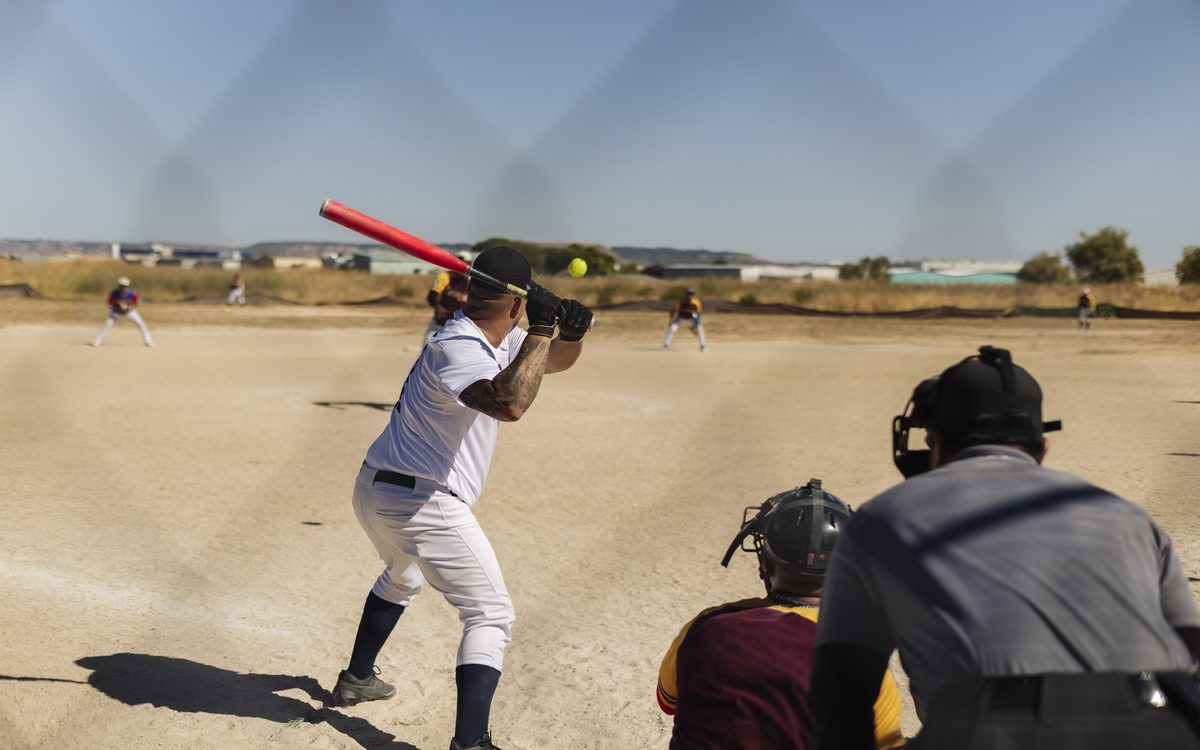
Doubleheader at noon in July, a hot dog at the concession stand between games, a sports drink someone passed down the bench. Slow-pitch nutrition is simply eating and drinking so that you have energy for short bursts, stay hydrated in the heat and recover afterward. For most recreational players that is food and water first, supplements a distant third. This page follows the positions of ACSM, the IOC and ISSN, and it is general information, not a diet plan.
Quick answer: Eat a normal balanced meal a few hours before you play, drink fluids before and during games, and replace fluids and food afterward. Per the IOC, supplements are at most a small part of a nutrition plan, and only a few (such as caffeine and creatine) have good evidence of benefit; choose third-party tested products if you use any, and talk to a doctor or registered dietitian first. Slow-pitch is a short-burst sport, so you generally do not need special fueling products.
General information, not medical advice. See also the recovery page on recovery and the slow-pitch softball hub on the sport overall.
Fueling for a sport of short bursts
The 2016 joint position of the Academy of Nutrition and Dietetics, Dietitians of Canada and the American College of Sports Medicine says that performance and recovery are enhanced by well-chosen nutrition strategies and that athletes should be referred to a registered dietitian for a personalized plan. That statement covers all sports; we did not find nutrition research on slow-pitch. In practice, as general advice, a game is a long evening with many short efforts: eat a regular meal with carbohydrate and some protein two to four hours before, have a small snack if you will be playing several games, and avoid trying a new food on game day.
If you play several games in a tournament, snacks that are easy to digest between games, such as fruit, a sandwich or a bar, are a common choice. That is practical advice, not tested in slow-pitch.
Hydration
The ACSM position stand on exercise and fluid replacement says the goal is to start activity well hydrated and avoid a loss of more than 2% of body weight from water deficit during exercise. Because sweat rates vary, it recommends individual plans, and says weighing yourself before and after play can estimate your own sweat rate. It also says that during exercise, beverages containing electrolytes and carbohydrate can help in some situations compared with water alone. OrthoInfo’s baseball guidance gives example amounts, about 24 ounces of non-caffeinated fluid two hours before, another 8 ounces right before, and 8 ounces every 20 minutes during activity; treat those as a starting point, not a rule.
Heat cautions
Summer evening leagues still run hot. The NATA position statement on exertional heat illnesses treats exertional heat stroke as one of the leading causes of sudden death in sport and recommends gradual heat acclimatization; suspected heat stroke is an emergency (cool first, transport second, call 911). Signs to watch for in yourself and teammates include confusion, a very high body temperature, dizziness and collapse. Hydration helps, but it does not cure heat illness.
Relative energy deficiency (RED-S) awareness
Relative energy deficiency in sport (REDs) happens when an athlete does not eat enough for what the body is spending, and it can affect hormones, bones, immune function and mood. The IOC’s 2023 consensus statement is aimed at athletes in demanding training. Recreational slow-pitch players are unlikely to be at high risk, but anyone who is skipping meals to lose weight, is losing weight unintentionally, has missed periods or is dealing with frequent injuries or fatigue should speak to a doctor or registered dietitian. Disordered eating is a health issue, not a performance one.
Supplements: what the positions say
The IOC consensus statement on dietary supplements (Maughan and colleagues, 2018) says nutrition usually makes a small but potentially valuable contribution to performance, and that supplements make a minor one. It notes that only a few supplements, including caffeine, creatine, certain buffering agents and nitrate, have good evidence of benefit, that responses vary, and that supplements should be tried in training before use in competition. It warns that some supplements can harm health and that inadvertent ingestion of prohibited substances is a known risk, and advises expert professional help.
- Caffeine. The ISSN position stand (Guest and colleagues, 2021) says caffeine acutely improves many aspects of exercise performance in many but not all studies, including sprinting, jumping and throwing, and that very high doses are linked to side effects. It is not for everyone (sensitivity, heart conditions, pregnancy), so ask a doctor. We do not give doses here.
- Creatine. Listed by the IOC as having good evidence for some performance benefits. Ask a doctor before starting.
- Third-party testing. Look for certification marks such as NSF Certified for Sport or Informed Sport on the label if you choose any supplement, and be aware that products without it are not certified for sport. Banned-substance rules matter if you compete in a sanctioned tournament or national championships; check the rules of your organization.
- Skip: products with proprietary blends, stimulants you do not understand and anything that promises to “burn” or “boost” something.
Slow-pitch nutrition FAQs
What should I eat before a slow-pitch game?
A normal meal with carbohydrate and some protein a few hours before is common general advice, plus water. Avoid trying a new food on game day. This is general guidance, not slow-pitch research.
Do I need a sports drink?
Not necessarily. The ACSM says drinks with electrolytes and carbohydrate can help in some situations compared with water alone, such as long, hot sessions with several games. Water and food cover most evening games.
Is it okay to have a beer after the game?
We do not cite a source on alcohol and recovery. Alcohol can affect sleep and hydration, so if you drink, keep it moderate and drink water too. If you have concerns about drinking, talk to a doctor.
Are pre-workout supplements safe for recreational players?
The IOC says supplements can harm health and that contamination with banned substances is a known risk. Check with a doctor or registered dietitian, and choose third-party tested products if you use any.
How do I know if I am dehydrated?
The ACSM suggests weighing yourself before and after play to estimate how much fluid you lose. Dizziness, confusion or a rapid heartbeat in the heat are warning signs; stop and cool down, and call 911 if someone collapses.
Sources
- ACSM/Academy/Dietitians of Canada, Nutrition and athletic performance 2016 (Europe PMC)
- ACSM position stand, Exercise and fluid replacement 2007 (Europe PMC)
- OrthoInfo (AAOS), Baseball injury prevention
- NATA position statement, exertional heat illnesses (PubMed)
- IOC consensus statement on REDs 2023 (Europe PMC)
- IOC consensus statement, dietary supplements and the high-performance athlete 2018 (Europe PMC)
- ISSN position stand, caffeine and exercise performance 2021 (Europe PMC)
- NSF Certified for Sport
- Informed Sport
General information for education only, not medical advice. It does not replace a visit with a doctor, physical therapist or athletic trainer. See how we write and check our pages in our editorial policy.