This article contains affiliate links: if you buy through them we may earn a commission, at no extra cost to you. Learn more.
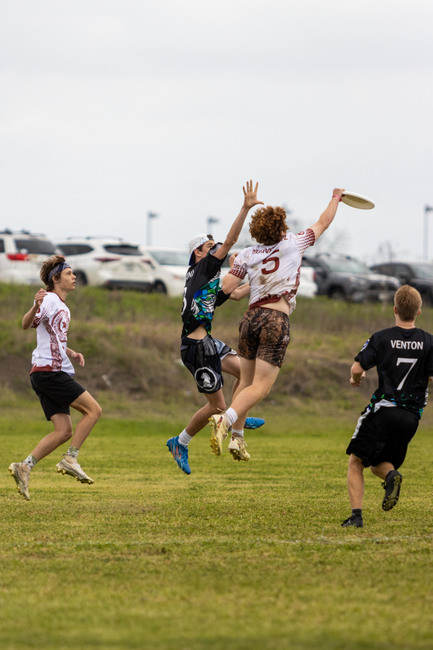
Saturday, 7 a.m., a tournament parking lot. Out of the trunk come cleats still muddy from last weekend, a stack of discs, a cooler, a pop-up tent, two jerseys (light and dark), sunscreen, and somebody’s massage gun that the whole team will borrow by the third round. Ultimate is a cheap sport to start: all you truly need is a disc and a pair of cleats. But the right ultimate frisbee gear makes long, hot tournament days safer and more comfortable. Here’s the full ultimate frisbee equipment list: the 175-gram disc the rules require, cleats, gloves, sunglasses and sun protection, and the recovery gear for after.
Buying guide · Our Ultimate Frisbee buying guide compares the gear we'd pick, with prices and sizing:
Prices change often. The prices below are what we saw at Amazon or a maker in October 2026; check the current price before you buy.
What the rules require
Not much. Under USA Ultimate’s 2026-2027 rules, sanctioned play must use a USA Ultimate-approved disc for the level of play. Players can wear any soft clothing that doesn’t endanger others, and braces, casts and guards are allowed if hard parts are padded. Cleats with dangerous parts, such as metal baseball cleats, track spikes or worn studs with sharp edges, are banned. Each player must wear clothing that sets them apart from the other team, and matching numbered jerseys are recommended at tournaments, so most teams carry a light and a dark set. WFDF rules are similar: any disc both captains accept, a uniform that identifies your team, and nothing that could harm others. On the beach, shoes and cleats aren’t allowed at all.
The quick checklist: an approved 175 g disc (or the youth disc for under-12s), cleats, light and dark jerseys, a big water bottle, snacks, sunscreen, sunglasses and a hat, gloves if it’s wet or cold, a warm layer and rain jacket, and recovery gear for between games and after.
Our top picks
Discraft UltraStar 175g
- 175 g
- Official disc of USA Ultimate
- About $13
Friction Gloves Ultimate Frisbee Gloves
- Rubberized palm and fingers
- Wet, cold, dusty or humid days
- About $32
goodr OG Polarized Sunglasses
- Polarized, UV400
- No-slip grip coating
- About $30
Blue Lizard Sport Mineral SPF 50
- Zinc oxide + titanium dioxide
- 80 min water resistant
- About $9
ASO EVO Ankle Stabilizer
- Lace-up with figure-8 straps
- Fits left or right foot
- Low profile, fits in cleats
OOFOS OOahh Slide
- Cushioned foam slide
- APMA Seal of Acceptance
- About $60
The disc: 175 grams, USA Ultimate approved
Ultimate is played with a 175-gram disc. USA Ultimate runs a disc approval program that tests discs against technical standards and flight characteristics and lists approved discs at three levels: Championship (for top-level events), General and Youth. The Discraft UltraStar is the official disc of USA Ultimate and the one most teams practice with; Discraft calls it the official disc of the USA Ultimate Championship Series since 1991. It costs about $13 for one on Amazon. Other championship-level discs include the Daredevil Gamedisc and eurodisc’s 175g Organic. Cheap beach or toy discs often weigh less and fly very differently, so practice with what you’ll play with.
For kids under 12, USA Ultimate’s youth rules recommend an approved youth-level disc. The Discraft J*Star, a 145-gram disc, is on the youth-level list and is easier for small hands. From under-15 up, players use the standard 175 g disc.
Check the Discraft UltraStar price on Amazon
Cleats
Ultimate is all cuts and sprints on grass, so cleats matter more than anything else you wear. Most players use molded soccer or football cleats; just remember the rule: no metal baseball cleats, no track spikes and no worn studs with sharp edges. A few tips:
- Fit first: snug at the heel, room for your toes, tried on with the socks you play in. Brand and model matter less than fit.
- Match the surface: firm-ground studs for grass; on artificial turf, many players switch to shorter-stud turf models.
- Replace worn pairs: worn or broken studs aren’t just slippery, they can be illegal if they have sharp edges.
- Bring a second pair for rainy tournaments, and slides for between games.
Ankle sprains are among the most common ultimate injuries, so players with an old sprain often add a lace-up brace that fits inside the cleat, like the ASO EVO Ankle Stabilizer (figure-8 straps, fits either foot, about $42). Our ankle brace guide compares more, and a physical therapist or athletic trainer can tell you whether you need one.
Gloves
Gloves aren’t required, but they’re common in rain, cold, wind or dust, when a slick disc slips out of your hands. Ultimate gloves are thin, with grippy palms and fingers. Friction Gloves have rubberized palms and fingers for wet, cold, dusty or humid conditions (about $32 a pair on Amazon), and the maker also sells the Friction 3 and a fleece-lined Friction Warm for frigid days. Try throwing in them before game day: grip changes your release.
Check the Friction Gloves price on Amazon
Sunglasses and sun protection
A tournament weekend can mean many hours in full sun, often with little shade. The American Academy of Dermatology recommends a broad-spectrum, water-resistant sunscreen of SPF 30 or more, about one ounce for the body, applied 15 minutes before you go out and reapplied every two hours and after sweating, plus an SPF 30 lip balm. Blue Lizard Sport Mineral SPF 50 is a 3-ounce mineral lotion (zinc oxide and titanium dioxide) with 80 minutes of water resistance, about $9.
The CDC recommends sunglasses that block both UVA and UVB rays. For ultimate, you also want a pair that doesn’t bounce or slide when you sprint and look up for a disc. The goodr OG is a light, polarized running sunglass with UV400 lenses, a grip coating and silicone nose pads, about $30. Add a cap or visor and a tent or umbrella for the sideline.
Check the goodr OG price on Amazon
Water, food and the team kit
Bring more water than you think: a big bottle like the Nalgene Sustain 32 oz (about $16) plus a team cooler. On hot days, many players add electrolytes such as Nuun Sport tablets (see our electrolyte guide). Pack easy carbs for between games. Teams usually also carry field cones (the rules call for flexible, brightly colored cones at the field corners), a first-aid kit with tape and ice bags, and a pop-up tent. Our tournament day guide covers the fueling plan.
Recovery gear
Ultimate is hard on hamstrings, calves and feet, especially over a two-day tournament. These are the tools many players use between rounds and after. They’re about comfort, not treatment; pain or swelling that doesn’t settle needs a professional.
- Slides: the OOFOS OOahh Slide is a soft foam slide with the APMA Seal of Acceptance, about $60. Cleats off, slides on between games. More in our recovery shoes guide.
- Massage gun: the Hypervolt Go 3 weighs 1.6 lb, has 5 speeds and up to 4 hours of battery, about $149. See our massage gun guide.
- Foam roller: the TriggerPoint GRID 1.0 (13 x 5 inches, hollow core) fits in a team bag, about $40.
- Knee sleeves: some players like them for warmth and support; see our knee sleeves guide.
TriggerPoint GRID 1.0 Foam Roller
- 13 x 5 in
- Multi-density surface
- Hollow core
Discraft J*Star 145g Youth Disc
- 145 g
- USA Ultimate youth-level approved
- Smaller and lighter
For the full recovery plan, see our ultimate recovery page and the recovery tools guide. Back to the ultimate frisbee hub, or compare with our soccer gear list if you’re shopping for cleats.
Ultimate gear FAQs
What disc is used in ultimate frisbee?
A 175-gram disc. In USA Ultimate-sanctioned play it must be on the USA Ultimate approved list, and the Discraft UltraStar is the official disc. Kids under 12 can use an approved youth disc such as the 145-gram Discraft J*Star.
What cleats are best for ultimate?
Molded soccer or football cleats that fit well and suit your surface. Metal baseball cleats, track spikes and worn studs with sharp edges aren’t allowed under USA Ultimate rules.
Are gloves allowed in ultimate?
Yes. Gloves count as clothing, and many players wear thin grippy gloves in rain, cold or dust. Practice throwing in them first, since grip changes your release.
Do I need a mouthguard or helmet for ultimate?
Neither is required by USA Ultimate or WFDF rules, since ultimate is non-contact. If you’re thinking about protective gear after an injury, ask your doctor or athletic trainer what makes sense for you.
What should I pack for an ultimate tournament?
Cleats (and a spare pair if rain is likely), light and dark jerseys, a disc, lots of water and electrolytes, snacks and a real lunch, sunscreen, sunglasses and a hat, a warm layer, gloves for bad weather, slides and a small recovery tool.