This article contains affiliate links: if you buy through them we may earn a commission, at no extra cost to you. Read our affiliate disclosure.
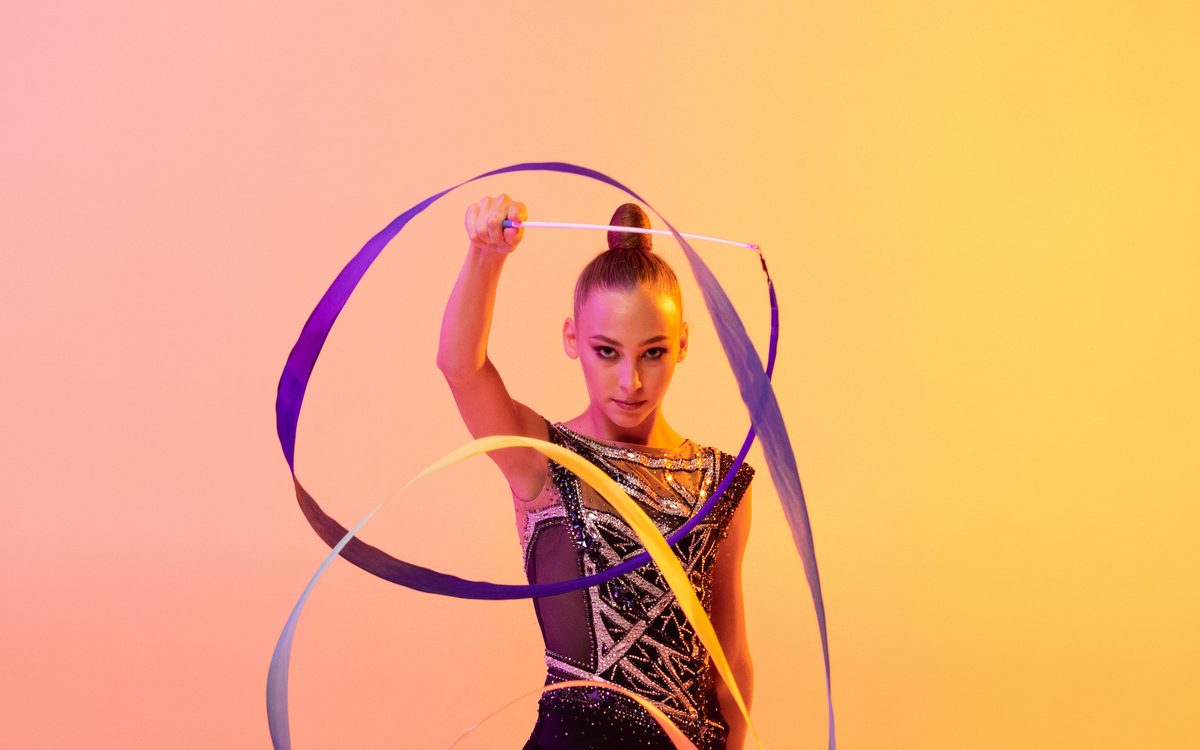
A new gymnast arrives with a bag that rattles: a hoop that will not fit in the car, a ribbon wound around its stick, two clubs, a leotard still in its tag and a rubber ball that rolled out of the pocket on the way in. Rhythmic gymnastics gear is a small set of things, but a few rules decide what you can use in competition, and parents often buy the wrong item first. This guide explains the apparatus standards from the FIG, how to think about fit and inspection, what the competition code says about leotards, hair and supports, and which home-practice and recovery items are worth considering.
Quick answer: For competition, apparatus must carry the maker’s logo and the FIG-approved logo; an unapproved apparatus means the exercise is not scored (0.00). Buy hoops, balls, clubs and ribbons on your coach’s advice, and check sizes against the FIG norms. A leotard must be tight-fitting and non-transparent in the required areas, with no shorts. For home, a floor mat for conditioning and flexibility is useful, but apparatus throws and tumbling belong in the club.
Apparatus standards: what the FIG says
The FIG Apparatus Norms (2026 edition) set sizes and weights that makers must meet. The Code of Points adds that each apparatus used in competition must have the manufacturer’s logo and the “FIG approved logo” in the specified places, that apparatus can be checked before or after an exercise, and that competing with an unapproved apparatus means the exercise is not evaluated. This is a rule, not a maker claim. A product that says “competition style” or “like the pros” is not the same thing as one carrying the FIG logo. Senior and junior norms differ slightly:
| Apparatus | Senior norm (FIG Apparatus Norms) | Junior difference |
|---|---|---|
| Hoop | Wood or synthetic; inner diameter 800 to 900 mm; at least 300 g, unwrapped | Inner diameter 700 to 900 mm; at least 260 g |
| Ball | Rubber or soft plastic, antistatic; diameter 180 to 200 mm; at least 400 g | Same diameter and weight |
| Clubs | Bottle shape; 400 to 500 mm long; at least 150 g each; head diameter 30 mm at most | Same |
| Ribbon | Satin or similar; at least 6 m long in one piece; 40 to 60 mm wide; at least 35 g without the stick | At least 5 m; at least 30 g |
| Ribbon stick | 500 to 600 mm long; diameter 10 mm at most; cylindrical or conical | Same |
Rope also has an FIG norm (hemp or similar, with a free length), and the FIG yearly apparatus program says which apparatus junior and group routines use. Because routines change by year and level, ask the club what your gymnast needs this season. Beginners often practice with lighter or non-competition apparatus, a coaching choice we cannot source.
Fit, handling and inspection (general practice)
- Hoop size by arm length. Coaches typically match size to the gymnast within the allowed range; we found no published sizing chart, so follow the coach.
- Ribbon care. Check the stick-to-ribbon fixture, which the norms limit to 70 mm, for fraying, and the stick for cracks. Store the ribbon wound, not knotted.
- Clubs and balls. Look for cracks in the neck or head of a club (the head must be firmly fixed), and wipe balls clean so they do not slip.
- Retire damaged apparatus. A cracked hoop or club or a frayed fixture can change how it flies and lands, so replace it rather than practice with it.
Leotard, hair and body rules
The 2025-2028 Code of Points is detailed. The leotard must be non-transparent from the chest to the crotch and tight-fitting so judges can see body lines. Neckline and leg cut limits apply, legs may be bare or in full-length tights or a unitard (shorts and semi-length tights are not allowed), and a skirt may not extend further than the pelvic area or look like a ballet tutu. It must be one piece, so separate socks, gloves, legwarmers and belts are not allowed with it. Hair must be neat and compact, make-up clear and light, and jewelry small and tight-fitting. Bandages or supports must be skin-colored. Each failure costs 0.30. Clothing styles change often and a club or team usually orders matching sets, so do not buy a leotard until you have the club’s requirements and a measured size.
A body-image note: leotard rules are about fit and modesty for judging, not about body size. Comments about how a gymnast looks in one are not part of coaching, and our nutrition page and mental training page explain why that matters.
Footwear and supports
The Code of Points does not cover footwear in the parts we read. Rhythmic gymnasts commonly train barefoot or in half-shoes or foot paws, but that varies by club and surface, so ask your coach. Ankle or knee supports should be recommended by a clinician; an ill-fitting one is no help.
Home practice and recovery items
Gymnasts can use mats and rollers at home for conditioning, flexibility work and recovery. The picks below are not apparatus and carry no FIG approval. They are products we have already checked for other gymnastics pages, and we chose them because the fit is honest: a folding mat suits stretching, core work and balance practice on carpet, a foam roller is a common after-practice tool, and recovery slides are comfortable shoes after a long session. We found no verified listings for rhythmic apparatus or leotards, so none are shown. The gymnastics hub and our other sport pages have related gear.

BalanceFrom 4-Panel Folding Gymnastics Mat
- 10 x 4 ft, 2 in thick
- Folds to 4 x 4 ft, 15 lb
- Hook-and-loop ends

TriggerPoint GRID 1.0 Foam Roller
- 13 x 5 in
- Multi-density surface
- Common calf and quad tool
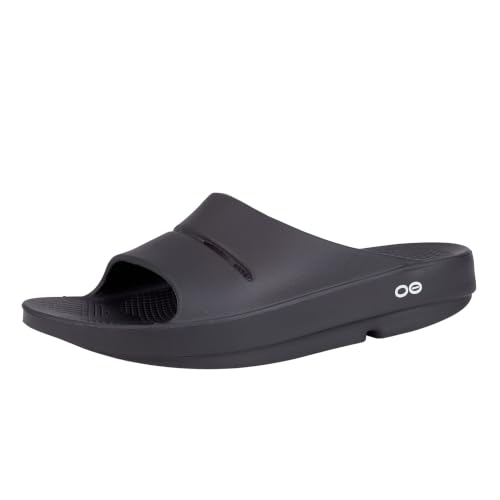
OOFOS OOahh Slide
- OOfoam slide
- APMA Seal of Acceptance
- Machine washable
$59.95 at Amazon, as of Nov 17, 2026 02:07 UTC
Check price on AmazonA foam roller or slide does not treat an injury. A mat is for floor work, not for tumbling or new skills without a coach, and it does not replace a FIG-certified competition floor. See recovery for what the research says about these tools and rules for the competition floor.
Rhythmic gymnastics gear FAQs
What apparatus does a beginner need?
Usually none at the start. Ask the club, which will often lend apparatus in classes. Competition apparatus should carry the maker’s logo and the FIG-approved logo.
What size hoop should my child use?
The FIG range for seniors is an inner diameter of 800 to 900 mm, and for juniors 700 to 900 mm. Within that range, choice is a coaching decision, so ask the coach.
Can she wear shorts or a skirt over a leotard?
Under the FIG code, shorts and semi-length tights are not allowed. A skirt that does not fall past the pelvic area is allowed if rigidly attached to the leotard and not a tutu look. Check your club’s and event’s rules.
Are cheap unbranded hoops and ribbons okay?
For home play, yes. For competition, the apparatus needs the maker’s logo and the FIG-approved logo or the exercise is not evaluated.
Do I need a home mat?
Not required. A folding mat is useful for stretching and conditioning, but it does not replace club training and should not be used for new skills without a coach.
Sources
- FIG Rhythmic Gymnastics Code of Points 2025-2028 (section 9 apparatus, section 10 attire, penalties)
- FIG Apparatus Norms I-III, RG 2 to RG 7 and inspection requirements
- FIG Technical Regulations 2027
- FIG rules page
- Amazon listing, BalanceFrom 4-panel mat, TriggerPoint GRID 1.0 and OOFOS OOahh (maker and listing details recorded in earlier gymnastics and recovery guides)
General information for education only, not medical advice. It does not replace a visit with a sports medicine doctor, physical therapist, athletic trainer or registered dietitian. See how we write and check our pages in our editorial policy.