This article contains affiliate links: if you buy through them we may earn a commission, at no extra cost to you. Read our affiliate disclosure.
Saturday, 6:45 a.m., the shop floor: a new rider holds up two helmets and asks which one is safer. The honest answer begins with a label, a fit check and a rule: the helmet must meet the US standard, sit level and snug, and be replaced after a crash. Road cycling gear is a long list, but the parts that matter for safety are few: a helmet, a bike that fits, lights, and a bike in working order. This page explains what to look for, separating verified standards from maker claims. Neighboring pages cover injury prevention and rules; the discipline overview is on the road cycling hub.
Quick answer: Spend first on a helmet that meets the US standard and fits, a bike fit that works for your body, front and rear lights, and a bike that is checked before every ride. Maker claims such as MIPS or radar range are the makers’ words, not proof of protection. Gear lowers risk but cannot remove it; if you crash or hurt, see a sports medicine doctor, physical therapist or athletic trainer.

Giro Syntax MIPS Road Helmet
- MIPS rotational-impact liner (maker)
- Road-style vents
- Check size and color before ordering

Garmin Varia RTL515 Radar Tail Light
- Radar alerts up to 153 yd (maker)
- Up to 16 h in day flash
- Pairs with Garmin devices
$149.98 at Amazon, as of Nov 17, 2026 02:07 UTC
Check price on Amazon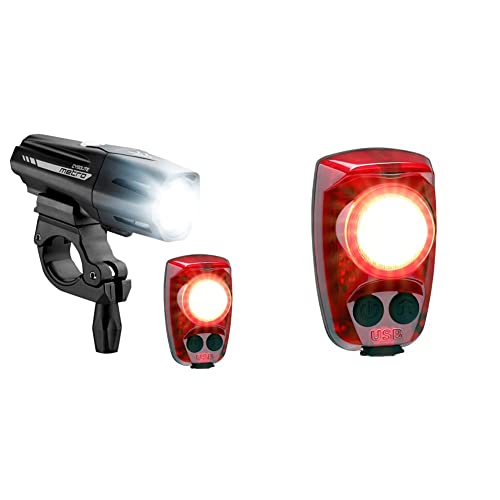
Cygolite Metro Plus 800 + Hotshot Pro 150
- 800-lumen headlight
- 150-lumen taillight
- USB rechargeable

Skratch Labs Hydration Sport Drink Mix
- 400 mg sodium per serving
- NSF Certified for Sport (maker)
- Mix in your bottle
$23.95 at Amazon, as of Nov 17, 2026 02:07 UTC
Check price on AmazonHelmets: standard first, extras second
USA Cycling’s Policy I requires licensed riders to wear a helmet at permitted events and on club rides, and the helmet must meet either the US DOT standard or the US Consumer Product Safety Commission (CPSC) bicycle helmet standard (16 CFR 1203); helmets certified only to the European CEN standard are allowed only in races on the UCI calendar. The CPSC says bike helmets sold in the US since 1999 must meet its standard, that helmets are meant for a single impact and should be replaced after a crash, and that no helmet has been proven to prevent concussions. A meta-analysis of injured cyclists (Olivier and Creighton, 2017) linked helmet use with lower odds of head injury.
Fit. The American Academy of Orthopaedic Surgeons says a helmet should sit snugly and comfortably, not block your vision, and have the chin strap and buckles secured. A helmet that slides is not doing its job.
MIPS and star ratings. MIPS is a rotational-impact liner; the makers say it is designed to reduce rotational forces in certain impacts. It is a maker claim and no substitute for fit. The Virginia Tech Helmet Lab publishes independent bicycle helmet ratings (STAR) based on laboratory impact tests, recommending four or five stars, and a July 2025 update changed which helmets earn five stars. We did not verify the rating of any specific model on this page, so check the current table before you buy. The Giro Syntax MIPS is one road-style option; see the card above.
Lights and visibility
A controlled experiment in Odense, Denmark (Madsen and colleagues, 2013, 3,845 cyclists) found a 19% lower rate of injury accidents with permanent running lights, though accidents were self-reported. The American Academy of Orthopaedic Surgeons advises a headlight and taillight visible from 500 feet at night, plus bright clothing and rear reflectors. A rear radar light, such as the Garmin Varia RTL515, warns of vehicles approaching from behind; the maker says up to 153 yards. It is a heads-up tool, not a guarantee, and we did not find an independent trial of radar lights. The Cygolite Metro Plus 800 and Hotshot Pro 150 is a front-and-rear set with an 800-lumen headlight and a 150-lumen taillight, both USB rechargeable, according to the listing.
Bike fit and sizing
The American Academy of Orthopaedic Surgeons advises a bicycle sized for your body, with frame, handlebar and seat heights set to avoid overuse injuries, and a professional fit if you ride regularly. A 2007 review (Wanich and colleagues) names bike fit and alignment first among prevention priorities for lower-limb cycling injuries. We did not find a review proving a particular fit method works, so use a fitter you trust and report pain. Our injuries page lists patterns that fit problems may contribute to.
Clothing, shoes and small gear
The AAOS recommends avoiding loose clothing, wearing closed, secure footwear, padded gloves, padded shorts on longer rides, sunscreen and wraparound sunglasses. Cleats and shoes are personal and fit-sensitive: we did not verify any shoe or pedal product, so there are no cards for them here. A saddle that does not suit you is a common source of discomfort; a fitter can help.
Before every ride: a quick inspection
The AAOS advises regularly checking brakes, tires and gears and not riding a bike that is not in good working order. League of American Bicyclists guidance lists the same “ride ready” checks: tires, brakes, chain, quick releases, tools and helmet. A short check at the door, with the tires firm, brakes biting, wheels secure and lights charged, takes a minute.
Hydration gear
Bottles and a drink mix are gear too; the AAOS suggests roughly a bottle an hour on long rides. Skratch Labs Hydration Sport is one mix riders use; it lists 400 mg of sodium per serving and says it is NSF Certified for Sport (maker). More on fuel on our nutrition page, and see cycling gear for the wider range. For wearables, our heart-rate monitor guide is a starting point.
Road cycling gear: FAQs
What helmet standard do I need for road racing in the US?
USA Cycling’s Policy I accepts helmets meeting the US DOT or CPSC bicycle helmet standard. CEN-only helmets are allowed only in races on the UCI calendar.
When should I replace my helmet?
The CPSC says bike helmets are for a single impact and should be replaced after a crash. Also replace one that is damaged or no longer fits well.
Does MIPS make a helmet safer?
MIPS is a rotational-impact liner that makers say reduces rotational forces in some impacts. For independent comparisons, look at the Virginia Tech Helmet Lab ratings, and always check fit first.
Do I need lights in the daytime?
A Danish controlled experiment found a 19% lower injury accident rate with permanent running lights. Many road riders use a daytime flashing rear light for visibility.
Do I need a professional bike fit?
The AAOS recommends a professional fit if you ride regularly. A fit cannot guarantee freedom from injury, and persistent pain should be seen by a clinician.
Sources
- USA Cycling Policy I: helmets
- CPSC: which helmet for which activity
- eCFR: 16 CFR part 1203, bicycle helmets
- Virginia Tech Helmet Lab: bicycle helmet ratings
- Virginia Tech News, July 2025: helmet lab ratings update
- Olivier and Creighton 2017, bicycle injuries and helmet use
- Madsen et al. 2013, permanent running lights for bicycles
- AAOS OrthoInfo: bicycle safety
- Wanich et al. 2007, cycling injuries of the lower extremity
- League of American Bicyclists: rules of the road
General information for education only, not medical advice. It does not diagnose, treat or clear anyone to ride or race. Talk to a sports medicine doctor, physical therapist or athletic trainer about your own body. How we write and check our pages is in our editorial policy.