This article contains affiliate links: if you buy through them we may earn a commission, at no extra cost to you. Read our affiliate disclosure.
Before the first drop-in, the bag check: helmet strap, gloves, a spare tube, an Allen key, a bottle. BMX freestyle gear starts with a bike that is strong enough for the sport and a helmet that fits properly, and then adds protection for the places riders land most. This page covers what matters, how to check fit and condition, and how to tell certified standards from maker claims. It does not tell you what to spend, and we show no prices. Sport overview: BMX freestyle hub.
Quick answer: Start with a helmet that fits snugly and is certified to a standard the park accepts, add gloves and a mouthguard if you want more protection, and check the bike for loose bolts before every session. Certification labels are verified standards; words like “pro” or “impact-absorbing” on a pack are maker claims. Replace a helmet after a hard crash.
Our picks at a glance

Bell Sanction 2 Full-Face Helmet
- Listed as ASTM downhill and BMX certified
- Removable cheek pads
- Check size chart before ordering
$131.26 at Amazon, as of Nov 17, 2026 02:07 UTC
Check price on Amazon
Fox Racing Dirtpaw Gloves
- TPR knuckle guards
- Padded palm
- Neoprene cuff

Shock Doctor Gel Max Mouthguard
- Mouthguard for contact and fall risk
- Check fit instructions on the pack
- Ask a dentist if you wear braces
$11.99 at Amazon, as of Nov 17, 2026 02:07 UTC
Check price on Amazon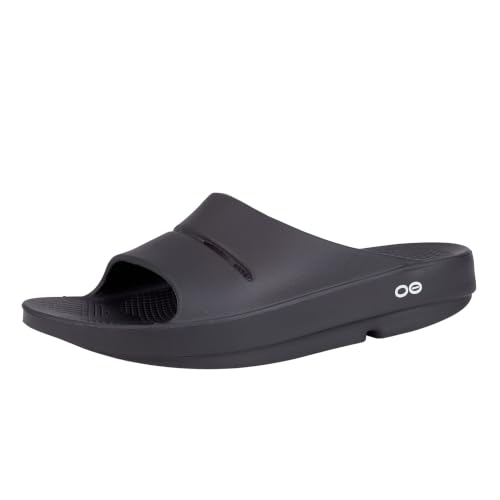
OOFOS OOahh Slide
- OOfoam slide
- APMA Seal of Acceptance
- Machine washable
$59.95 at Amazon, as of Nov 17, 2026 02:07 UTC
Check price on AmazonThese are examples, not the only good options, and listings can change, so read the product page for current details.
The bike
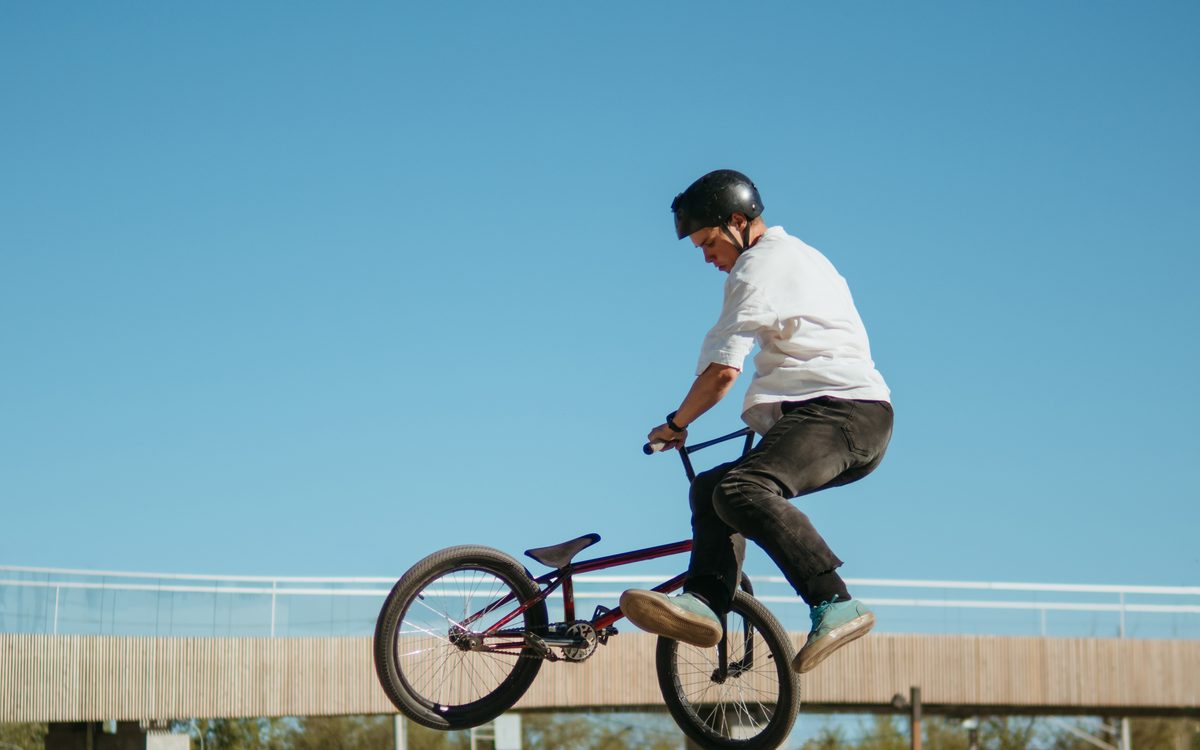
The UCI describes a park bike as extremely strong, with 20-inch wheels, a compact frame, single-speed gearing and no suspension, built to take hard landings and repeated impacts. Flatland bikes are lighter and compact with steep forks and a short top tube, with pegs on the axles; the UCI says a chain is mandatory and brakes are optional, and that many riders go brakeless. Choose a bike made for freestyle, not a toy-grade bike, and ask a local shop to size it. The check before each session is general practice: tight bars, stem, cranks, pedals and wheel nuts, healthy tyres, a straight frame and fork, working brakes if fitted.
Helmets: standards and fit
The Consumer Product Safety Commission points BMX riding to a helmet certified to ASTM F2032 and notes that no helmet is proven to prevent concussion and that bike helmets are built for one impact. The AAOS says helmets reduce the risk of serious head injury by nearly 70%. Some freestyle and skatepark helmets are certified to other standards, and parks may have their own rules, so read the certification label inside the helmet and the park’s notice. A certified label is a verified standard; marketing phrases are a maker’s claim.
- Size it by measuring. Use the maker’s size chart and measure around your head.
- Snug and level. It should sit low on the forehead and not rock side to side, with the strap fastened under the chin.
- Check for damage. Cracks, dents, a loose liner or frayed straps mean replace it. Replace after a hard crash even if damage is not visible.
- Full-face or open-face? Full-face adds jaw and face protection and is common in dirt jumping and street. Rules vary by park, so check. See the Bell Sanction 2, listed by Amazon with ASTM downhill and BMX certifications; confirm on the label that it meets your park’s rules.
Gloves and hand protection
Upper-limb injuries are the most common in BMX; the 2025 BMJ Open Sport & Exercise Medicine meta-analysis put them at 65.21% of BMX injuries, and hand fractures were frequent in a 2026 survey. Gloves protect palms from scrapes and add grip. The Fox Racing Dirtpaw gloves have knuckle guards and a padded palm. Gloves cannot stop a fracture. Choose a snug pair that lets you feel the grips, and replace them when palms wear through.
Mouthguard
A mouthguard such as the Shock Doctor Gel Max is used by some riders for fall risk to the teeth. Follow the fit instructions on the pack, and ask a dentist if you wear braces or have dental work. We did not find a BMX-specific trial of mouthguards.
Pads, shoes and clothing
Knee, shin and elbow guards are common at skateparks. We include no specific product, because none was verified for this page, and we did not find a BMX freestyle study of pads. General guidance: choose pads that fit and stay in place, and flat, grippy shoes in good condition help keep feet on the pedals. Wear long sleeves and pants if you want more scrape protection, with layers for cold or heat. In summer, concrete gets hot; bring a hat and water, and see the nutrition page.
After the session
Some riders put on comfortable slides after a long day on their feet. The OOFOS OOahh is a foam slide listed with the APMA Seal of Acceptance. It is a comfort item, not treatment. See the recovery page.
How to choose
- Spend first on the helmet and a sound bike.
- Read certification labels and park rules rather than marketing words.
- Measure, do not guess sizes, and try gear on if you can.
- Inspect gear before sessions and replace worn or crash-damaged items.
- Protection lowers some risks and does not remove them; see the injury prevention page.
More: the rules page, the BMX hub, BMX racing and skateboarding, which shares parks.
BMX freestyle gear FAQs
What helmet should I wear for BMX freestyle?
The CPSC points BMX riding to ASTM F2032, but some park helmets carry other certifications. Read the label and the park rules, choose a snug fit and replace the helmet after a hard crash.
Do I need a full-face helmet?
Rules and preferences differ by park and style. A full-face helmet adds jaw and face coverage; check the park’s rules and the helmet’s certification label.
Are gloves necessary?
Not required everywhere, but many riders wear them for grip and scrape protection, since upper-limb injuries are the most common in BMX.
Do mouthguards help?
Many riders use them for teeth protection. We found no BMX study on them. Ask a dentist about fit, especially with braces.
How do I know a freestyle bike is strong enough?
The UCI describes park bikes as extremely strong with 20-inch wheels and no suspension. Buy a bike made for freestyle and ask a bike shop to check it and the fit.
Sources
- UCI: What is BMX Freestyle – Park?
- UCI: What is BMX Freestyle – Flatland?
- CPSC: Which Helmet for Which Activity?
- AAOS OrthoInfo: Bicycle Safety
- BMJ Open Sport & Exercise Medicine 2025: injury and illness across competitive cycling disciplines (PubMed)
- BMC Sports Science, Medicine and Rehabilitation 2026: severe injuries in competitive cycling over an Olympic cycle (PubMed)
General information for education only, not medical advice. It does not replace a sports medicine doctor, physical therapist, athletic trainer or registered dietitian who knows you. See our editorial policy for how we write and source our pages.