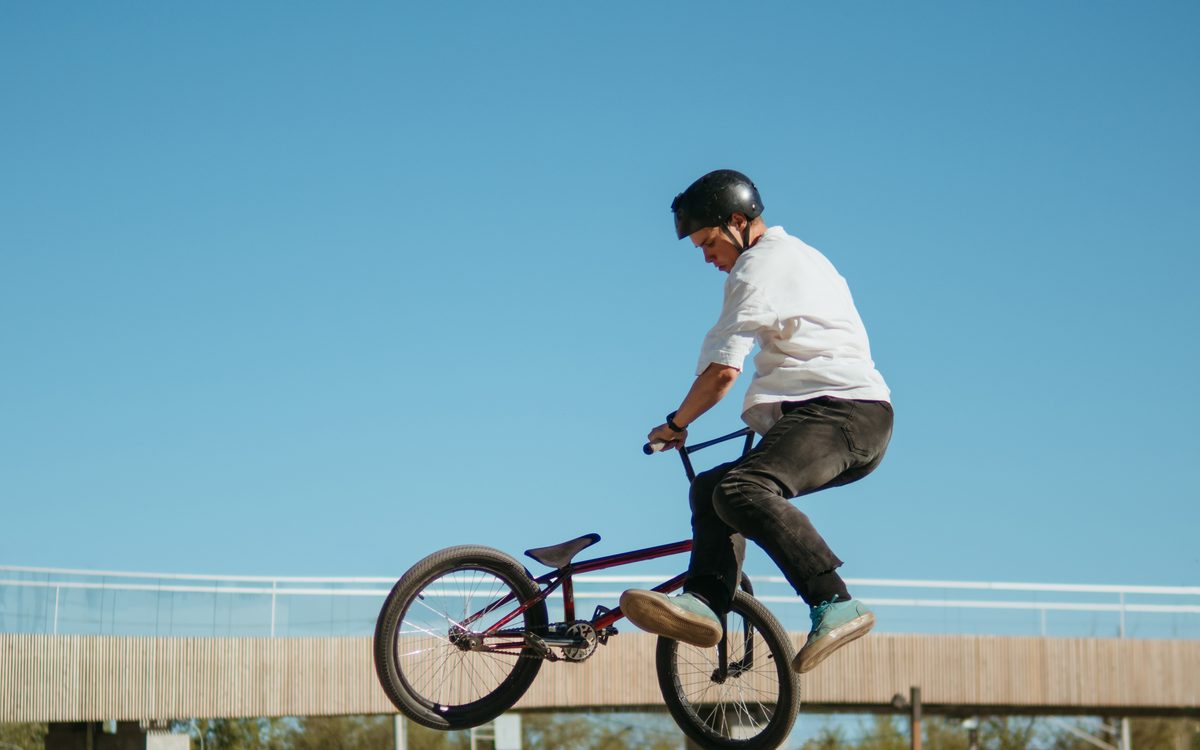
Park days are long. A rider arrives at 10, rides in bursts, sits on the coping between runs, and by 2 p.m. has had a granola bar and half a bottle of water. BMX freestyle nutrition is about fuelling short, powerful efforts and long sessions, drinking enough in hot parks, and not under-eating while training. This page uses sports nutrition position statements; it is general information and not a personal plan. For a plan that fits you, see a registered dietitian. Sport overview: BMX freestyle hub.
Quick answer: Eat regular meals with enough carbohydrate, protein and fluids around long park days, and do not skip food to look lighter. Supplements are optional, a few have good evidence, and some products can contain banned substances; use third-party tested products only if you use any and check with a doctor or dietitian first. Young riders and anyone with a medical condition should get professional advice.
Fuel for short, powerful efforts
The 2025 review in Frontiers in Physiology says BMX freestyle athletes rely on strong anaerobic power for aerial moves and typically have moderate aerobic capacity, and the UCI describes runs of about a minute. In practice, riders get short bursts of effort over a long session. The joint position of the Academy of Nutrition and Dietetics, Dietitians of Canada and ACSM says well-chosen nutrition strategies enhance performance and recovery, and that athletes should be referred to a registered dietitian for a personalised plan. This position is general to athletes; it does not give BMX-specific numbers, and neither do we.
- Before riding. The same joint position describes a meal about 1 to 4 hours before exercise as a common approach. Choose familiar foods you tolerate; large, fatty meals right before riding can sit badly.
- During long sessions. Many riders keep snacks, such as fruit, a sandwich or a bar, in the bag and eat when they feel the energy fading. Regular eating is a general practice and no BMX-specific amount is sourced.
- After riding. A meal with carbohydrate and protein, plus fluids, is a common recovery approach.
Fluids and hot parks
The ACSM position stand on fluid replacement says the goal of drinking during exercise is to prevent excessive dehydration (more than 2% body weight loss) and large changes in electrolyte balance, and that because sweat rates vary a lot, fluid plans should be individual. Concrete parks can be hot, and the National Athletic Trainers’ Association says heat acclimatization takes 7 to 14 days. Bring a bottle, drink regularly, take shade breaks, and stop if you feel dizzy, nauseated, confused or very weak. Those can be signs of heat illness, which needs prompt help. Weigh yourself before and after a session if you want a rough sweat-loss estimate, as the ACSM statement suggests.
Energy availability and RED-S awareness
The 2023 IOC consensus statement on Relative Energy Deficiency in Sport (REDs) describes harmful health and performance effects that can follow low energy availability, meaning not eating enough for the energy used in training, in female and male athletes. It also notes a link with mental health. BMX freestyle riders can feel pressure to be light for aerial moves, and the Frontiers review notes lower body fat in elite males, but a low body fat is not a goal for a young or recreational rider. Warning signs can include constant fatigue, repeated illness or injury, mood changes and, in females, missed or absent periods. If any of this sounds familiar, or if food has become stressful, talk to a doctor or registered dietitian; this is a health matter, not something to tough out. Do not set weight targets for yourself or a child without professional guidance.
Supplements: what the guidance says
The IOC consensus statement on dietary supplements says nutrition usually makes a small but potentially valuable contribution and supplements a minor one; supplement use is widespread, but only a few products, including caffeine, creatine, specific buffering agents and nitrate, have good evidence of benefits. It adds that some supplements may harm health or performance, that inadvertent ingestion of prohibited substances is a known risk, that a nutritional assessment should come first, and that expert professional help is strongly advised. We follow that approach.
- Food first. A meal plan covers most needs; supplements do not fix a poor diet.
- Third-party testing. If you choose a supplement, look for a product tested by an independent programme such as NSF Certified for Sport or Informed Sport. Testing lowers the risk of banned-substance contamination but does not remove it.
- Banned-substance awareness. Riders who compete in UCI, national or Olympic events can be tested. Check ingredients against the WADA Prohibited List, and use USADA’s Supplement 411 resource for US athletes.
- Caffeine. Evidence of benefit exists, but it is not for everyone. Sensitivity, sleep problems, anxiety, heart conditions and pregnancy are reasons to ask a doctor first. Young riders should not use energy drinks or caffeine supplements for performance.
- Creatine and others. Talk to a doctor or dietitian first; they are not a substitute for training or sleep, and we give no doses.
- Nothing for weight loss. Do not use stimulants, “fat burners” or anything promising quick weight loss.
Youth: the IOC statement is about high-performance athletes. For children and teens, ask a paediatrician or a registered dietitian before any supplement.
Practical park-day checklist
- Eat breakfast and carry snacks you tolerate.
- Bring more water than you think you need, and electrolytes if your sessions are long and hot.
- Eat again within a reasonable time after riding.
- Do not skip meals before big sessions to “feel lighter”.
- If you are on medication or have a medical condition, ask your doctor before changing diet or supplements.
Related pages: recovery, training and injury prevention.
BMX freestyle nutrition FAQs
What should I eat before a park session?
A meal about 1 to 4 hours before riding is a common recommendation in the 2016 ACSM, Academy and Dietitians of Canada position. Choose familiar foods that sit well, and bring snacks.
How much water should I drink?
The ACSM says plans should be individual because sweat rates vary, with the goal of avoiding more than 2% body weight loss. Drink regularly, and take shade breaks in hot weather.
Do BMX freestyle riders need supplements?
Not necessarily. The IOC says supplements make a minor contribution and only a few have good evidence. See a doctor or registered dietitian before starting any, and use third-party tested products.
Is it good to be as light as possible for aerial tricks?
Not at the expense of health. Low energy availability can harm health and performance, according to the IOC REDs consensus. Do not set weight targets without professional guidance.
Can supplements make me fail a drug test?
Yes, contamination with prohibited substances is a known risk, according to the IOC. Check products against the WADA list and prefer third-party tested ones.
Sources
- ACSM / Academy of Nutrition and Dietetics / Dietitians of Canada 2016: nutrition and athletic performance (PubMed)
- ACSM position stand 2007: exercise and fluid replacement (PubMed)
- IOC consensus statement 2018: dietary supplements and the high-performance athlete (PubMed)
- IOC consensus statement 2023: Relative Energy Deficiency in Sport, REDs (PubMed)
- Frontiers in Physiology 2025: physiological and physical characteristics of BMX freestyle athletes (PubMed)
- UCI: What is BMX Freestyle – Park?
- NATA: exertional heat illnesses
- NSF Certified for Sport
- Informed Sport
- USADA: Supplement 411
- WADA Prohibited List
General information for education only, not medical advice. It does not replace a sports medicine doctor, physical therapist, athletic trainer or registered dietitian who knows you. See our editorial policy for how we write and source our pages.