This article contains affiliate links: if you buy through them we may earn a commission, at no extra cost to you. Read our affiliate disclosure.
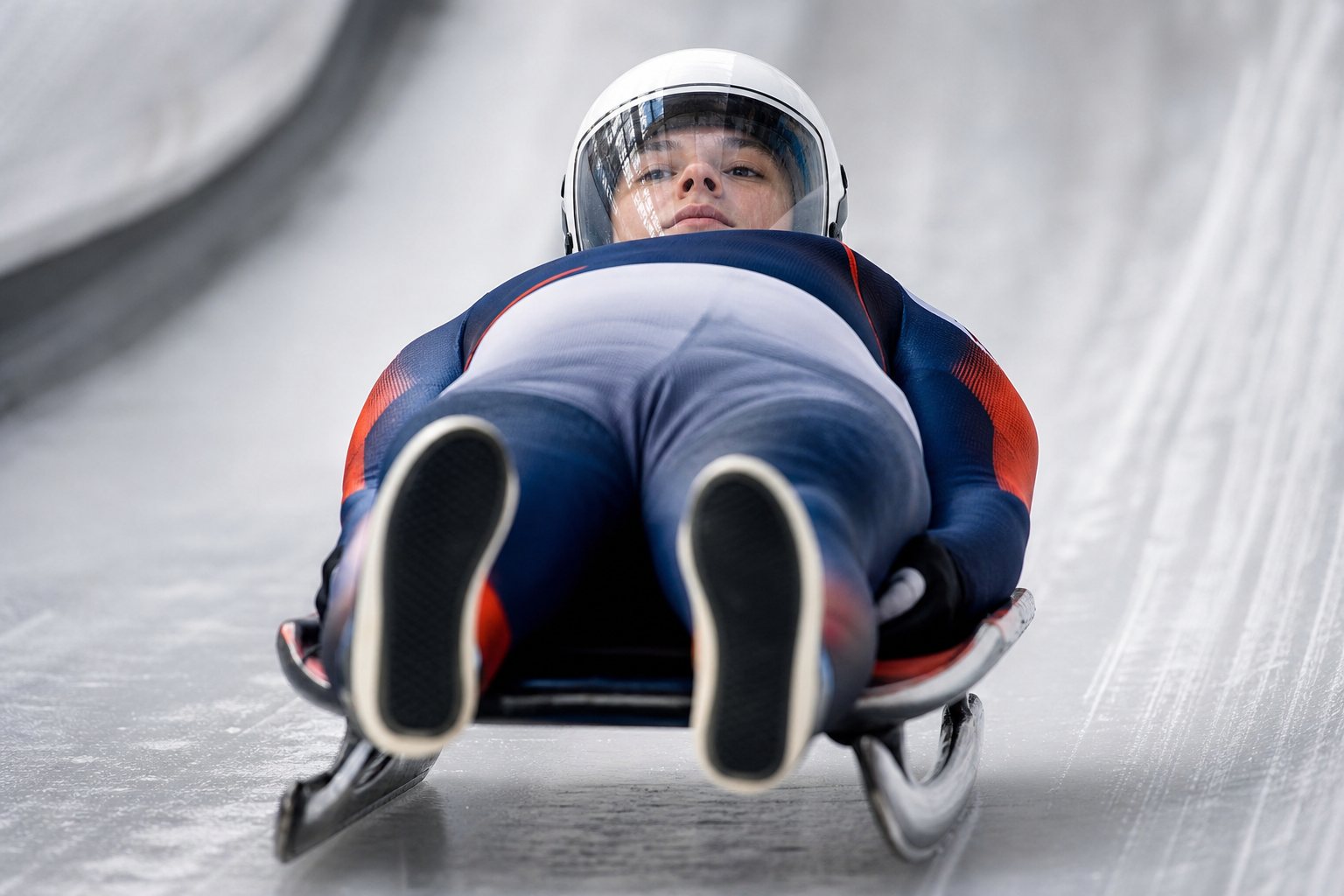
The first thing a new slider notices at the track is how little is on the sled: two runners, a seat, two bridges, and you. The gear that matters most is the gear you do not buy yourself: the sled, helmet and suit that meet federation rules and come through a club or national program. Luge gear is a short list, and this page explains what each item must do, what to ask your coach, how to check and care for gear, and which comfort items are fair to add.
Quick answer: The International Luge Federation (FIL) requires protective helmets, tight-fitting suits and spiked gloves for the start, and publishes separate helmet guidelines. Sleds are built to defined dimensions and weights that vary by age group and discipline. Beginners usually use program equipment, so ask your coach before buying anything for the track. What you can add yourself is support gear for the cold and for recovery, which is comfort, not safety equipment.
General information. Safety detail is on the injury prevention page; the sport itself on the luge hub.
The sled
FIL describes an artificial-track sled as made of two runners, two steels, a seat mat or seat shell and two bridges, which enable steering. Sled weight varies by age group and discipline, and the full dimensions and weights are in the FIL International Luge Regulations, which we did not read in full, so we give no numbers. A 2026 review of technology on snow and ice notes that regulations such as geometry and mass limits are part of how equipment is governed in winter sports. In practice, a club or national program supplies and maintains sleds for newcomers, and a coach sets them up. Because a sled has no brakes, it is not something to buy second-hand or modify without coach advice.
Helmet
FIL requires protective helmets and has separate helmet guidelines, naming UVEX on its rules page. That is a rule and a list to follow, not a ranking of brands. Ask your coach or national federation which helmets are accepted for your age class and track. Fit comes from the maker’s sizing guide and your coach: the helmet should be the right size, secure and comfortable, and should be replaced as the maker directs after a heavy impact. We found no luge-specific fit standard beyond the FIL requirement, and no source shows any helmet prevents concussion; the CDC’s HEADS UP message is that any possible concussion means stop and see a provider. See the injuries page.
Race suit and gloves
- Suit. FIL requires tight-fitting race suits that reduce air resistance. A loose jacket is not a substitute on race day, though for early wheeled-sled sessions your program will say what to wear.
- Spiked gloves. FIL requires gloves with small spikes for the start, which is when the athlete pulls on the handles and paddles on the ice. Hands were among the most commonly injured acute sites (14.0%) in a 2024 study of 40 elite luge athletes, so ask a coach about glove fit and condition.
- Shoes and other items. The FIL page we read does not list other required equipment; ask your program.
Wheeled sleds and summer gear
USA Luge describes summer Slider Search events using sleds on wheels. These sessions often need similar protective gear to the ice, but we have no published rule, so follow the event instructions. Do not slide on any surface, hill or road that a coach has not set up for it.
Inspecting and caring for gear
- Look over the helmet before each session for cracks, loose straps and shell damage, and tell your coach if anything looks wrong.
- Check spiked gloves for worn or missing spikes and torn stitching.
- Dry equipment after use and store it as the maker directs.
- Leave sled adjustments to the coach or the program’s technician.
These checks are general good practice, not a standard from FIL.
Standards versus maker claims
A rule from FIL (helmet required, tight suit, spiked gloves) is a requirement for competition. A product listing that says “warms for up to 10 hours” or “foam roller with a hollow core” is a maker claim about comfort, and we have not tested any of these items. None of the cards below is protective equipment or a safety standard, and they do not replace a helmet, coaching or medical care.
The support kit: warmth and recovery
Cold start houses are part of the sport; the CDC’s winter weather guidance covers layers, dry hands and recognising hypothermia and frostbite. Beginners can add small comfort items for waiting and for recovery after sessions.

HotHands Hand Warmers, 40 pairs
- Air-activated
- Maker: up to 10 hours each
- For cold start houses
$25.60 at Amazon, as of Nov 17, 2026 01:07 UTC
Check price on Amazon
TriggerPoint GRID 1.0 Foam Roller
- 13 in multi-density
- Hollow core
- Foam rolling for comfort
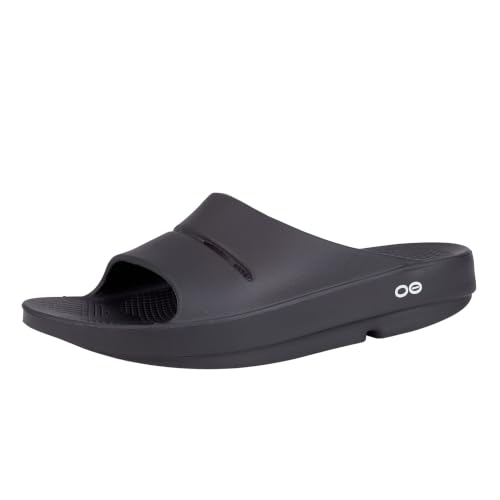
OOFOS OOahh Slide
- OOfoam slide
- APMA Seal of Acceptance
- Machine washable
$59.95 at Amazon, as of Nov 17, 2026 01:07 UTC
Check price on AmazonHand warmers should not be placed directly against the skin for long periods; follow the label. For recovery evidence on foam rolling and similar tools, see the recovery page.
Luge FAQs
What gear do I need to start luge?
Usually very little. Clubs and national programs supply sleds and often helmets for newcomers. Ask your coach what is required before buying anything.
Do luge sleds have brakes or steering wheels?
No. FIL describes runners, steels, a seat and bridges that enable steering, and NBC Olympics says steering is done with the calves and shoulders.
Is a bike or ski helmet okay for luge?
Do not assume so. FIL requires protective helmets and publishes its own helmet guidelines. Ask your coach or federation.
Why do luge gloves have spikes?
FIL requires spiked gloves for the start, when the athlete pulls on the handles and paddles on the ice.
Can I buy a used luge sled?
Ask your coach or program first. Sleds are regulated by dimensions and weights, and no brakes make setup a safety matter.
Sources
- FIL: artificial track rules
- NBC Olympics: how Olympic luge works
- USA Luge: Luge 101
- Tomaselli and colleagues: health problems in elite luge athletes (2024)
- Technology on Snow and Ice, Milano Cortina 2026 (2026)
- CDC HEADS UP: signs and symptoms
- CDC: preventing hypothermia
- HotHands listing (maker claims)
- TriggerPoint GRID 1.0 listing (maker claims)
- OOFOS OOahh listing (maker claims)
General information for education only, not medical advice. It does not replace a visit with a doctor, physical therapist or athletic trainer. See how we write and check our pages in our editorial policy.