This article contains affiliate links: if you buy through them we may earn a commission, at no extra cost to you. Read our affiliate disclosure.
The night before a marathon, a runner lays everything out on the bed: shoes, bib, socks, gels, watch. It is a ritual, and it hides a rule that experienced runners repeat: nothing new on race day. Marathon gear is short compared with most sports, but each item gets used for tens of thousands of footstrikes. This page covers what matters, how to fit it and what standards exist versus what makers claim. No product here is a medical device.
Quick answer: Shoes are the one item worth getting right: fitted late in the day, with your running socks, replaced when worn. Socks, anti-chafe balm, a watch and fuel are small things that show up over 26.2 miles, so try every item in training first. Competition shoes have a rule, a 40 mm sole limit in World Athletics-sanctioned events; it is a competition rule, not a safety standard. See a podiatrist or sports medicine doctor for recurring foot or leg pain.

Garmin Forerunner 570
- GPS, AMOLED, 42 or 47 mm
- Garmin Coach run plans (maker)
$449.99 at Amazon, as of Nov 17, 2026 01:07 UTC
Check price on Amazon
Garmin Forerunner 70
- 1.2-inch AMOLED
- Garmin Coach plans (maker)
$234.93 at Amazon, as of Nov 17, 2026 01:07 UTC
Check price on Amazon
Balega Hidden Comfort No-Show Socks
- Drynamix wicking yarn
- Cushioned, seamless toe
- Heel tab

Body Glide Original Anti-Chafe Balm
- 1.5 oz stick
- Plant waxes, no petroleum (maker)
- Test it on long runs
$11.69 at Amazon, as of Nov 17, 2026 01:07 UTC
Check price on Amazon
SiS GO Isotonic Energy Gels
- 25 g carbohydrate per gel
- Informed Sport per maker
- Practise in training first
$47.90 at Amazon, as of Nov 17, 2026 01:07 UTC
Check price on Amazon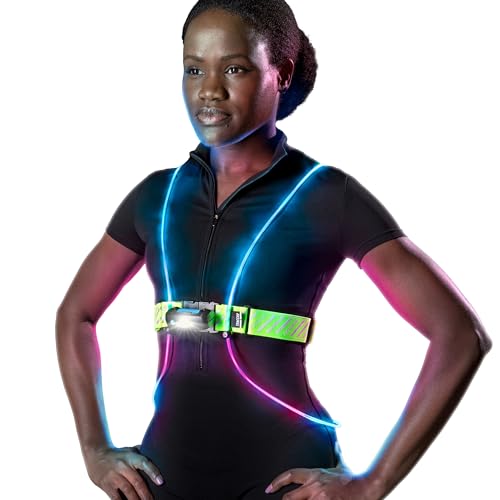
noxgear Tracer2 Light-Up Vest
- LED fiber optics and reflective
- USB-C rechargeable
Shoes: fit first
The American Academy of Orthopaedic Surgeons (AAOS) advises trying on shoes in the late afternoon or after exercise, when your feet are at their largest, wearing the socks you run in, and leaving at least half an inch between your longest toe and the end of the shoe. It also says shoes wear out even when unused, because cushioning fades. The American Academy of Pediatrics (AAP) says running shoes usually last about 300 to 500 miles or six months.
What about choosing by foot type? A 2022 Cochrane review of running shoes found most trials showed no reduction in running injuries between shoe types, with low certainty, and that picking shoes by foot posture probably makes little or no difference (moderate certainty, from three military trials). So comfort and fit matter more than a label. Many running stores will watch you jog and suggest options; that can help you find a comfortable shoe, but it is not proven to prevent injury.
The 40 mm rule: a standard, not a safety rating
World Athletics’ Athletic Shoe Regulations (approved 19 March 2026, effective 20 April 2026) set a maximum sole thickness of 40 mm for road running events. They apply to World Rankings Competitions and say that shoes must be approved, with either an “available” shoe or a time-limited development shoe (up to 12 months, not allowed at the Olympic Games or World Athletics Series events). The regulations do not apply to cross-country, trail or mountain races. Local marathons usually set their own rules. A maker’s claim of energy return or “faster” is a marketing statement; the regulation is about fairness and technology limits, not about injury protection, though the regulations list health and safety among their principles.
Socks, blisters and chafing
Blisters and chafing are classic marathon problems. Sock choice and fit help, and the AAOS advises bringing your running socks when you try on shoes. The Balega Hidden Comfort no-show sock is made with a wicking yarn and a seamless toe, according to the maker. An anti-chafe balm such as Body Glide Original is a stick the maker says uses plant waxes and no petroleum. Apply it where skin rubs, and test it on long runs. Persistent blisters or foot pain after a long run deserve a podiatrist’s look.
Watches and pacing
A GPS watch helps you hold even pace, and pacing errors are a recognized part of the late-race slowdown in a 2026 review. Garmin says both the Forerunner 570 and the Forerunner 70 offer Garmin Coach run plans. Those are maker claims, and a free plan from a coach or a published program works as well. Watch GPS can read a little long on courses with tall buildings, so go by the race’s mile markers if they disagree. See running wearables and our Garmin for runners guide.
Fuel and carrying it
Gels, chews and drink mixes are the fuel for long efforts; see nutrition. The SiS GO Isotonic gel lists 25 g of carbohydrate, and the maker says it is Informed Sport tested, a third-party program for banned-substance screening that USADA lists. Try the flavor and the texture in training. Our energy gel guide compares options. Some runners carry gels in a waist belt or shorts pocket; races provide fluids at aid stations.
Clothing, weather and race rules
Wear what you have trained in. Weather clothing is general practice: a light shirt and shorts for mild days, a throwaway layer for a cold start, and sun protection. Check the race’s rules on bibs, headphones and what you can carry. The Road Runners Club of America (RRCA) advises keeping headphone volume low enough to hear around you.
Night training and visibility
A lot of marathon training happens before work or after dark. The RRCA advises wearing reflective or lighted gear, running facing traffic and carrying ID. The noxgear Tracer2 is a light-up vest with LED fiber optics and reflective material, rechargeable by USB-C, per the maker. Lights help drivers see you, but they do not make a road safe. See our running gear page for hydration vests and more.
How to choose marathon gear
- Spend first on shoes, fitted in the afternoon with your running socks.
- Replace shoes at 300 to 500 miles or six months, or sooner if they feel flat or you have new aches.
- Test every item on a long run; nothing new on race day.
- Treat maker claims as claims; read what the label says and what a standard actually covers.
- For recurring foot or leg pain, see a podiatrist or sports medicine doctor, not a gadget.
More for runners: the marathon hub, the youth running guide and our recovery tools guide.
Marathon gear FAQs
How do I know when my running shoes are worn out?
The AAP says about 300 to 500 miles or six months. The AAOS notes cushioning fades over time even when shoes are unused. New aches or a flat feel are other signs.
Do I need shoes for my foot type?
A 2022 Cochrane review found that prescribing shoes by foot posture probably makes little or no difference to running injuries. Fit and comfort come first.
Are carbon-plated shoes allowed in marathons?
World Athletics regulations set a 40 mm limit for road events and require approved shoes in World Rankings Competitions. Local races follow their own rules. Check your race.
Should I wear new shoes on race day?
Most coaches say no. Wear shoes you have run a few long runs in. This is general advice, not a rule.
Do I need a GPS watch?
No. It helps with pacing, but a basic watch and the course’s mile markers work. Features vary by maker.
Sources
- AAOS OrthoInfo, athletic shoes
- AAP HealthyChildren, Running
- Relph et al., running shoes for preventing lower limb running injuries, Cochrane review 2022
- World Athletics, Athletic Shoe Regulations (approved 19 March 2026, effective 20 April 2026)
- RRCA, runner safety tips
- Grivas et al., hitting the wall in marathon running, review, 2026
- USADA, Supplement Connect (recognized third-party programs)
- Amazon listing, Garmin Forerunner 570
- Amazon listing, Garmin Forerunner 70
- Amazon listing, Balega Hidden Comfort
- Amazon listing, Body Glide Original
- Amazon listing, SiS GO Isotonic gel
- Amazon listing, noxgear Tracer2
General information for education only, not medical advice. It does not replace a visit with a doctor, physical therapist or athletic trainer. See how we write and check our pages in our editorial policy.