This article contains affiliate links: if you buy through them we may earn a commission, at no extra cost to you. Learn more.
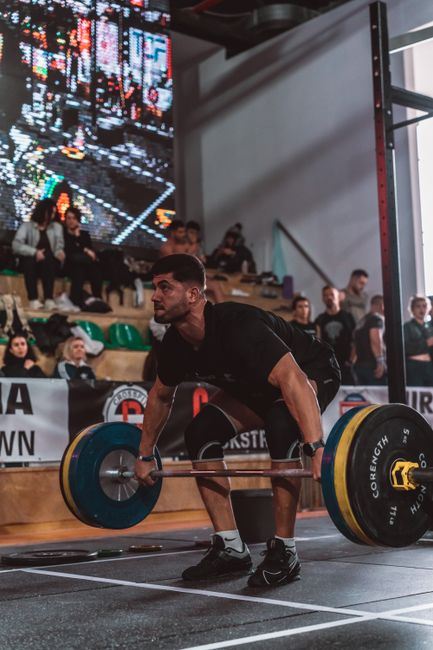
A Saturday-morning local meet in a CrossFit box: a borrowed platform, folding chairs, a lifter’s dad filming on his phone, and three white lights flashing on after a clean & jerk that took everything. A 12-year-old at a weightlifting club sliding into the bottom of her first snatch with a broomstick. A packed arena at the Olympics, silent for one second as a lifter stands up out of a clean with more weight than most of us will ever touch. Olympic weightlifting is two lifts, the snatch and the clean & jerk: simple to watch, honest to score, and open to anyone from an under-11 lifter at Youth Nationals to a 70-year-old chasing a masters record.
Weightlifting, page by page
- Rules: how the game works at every level
- Leagues & associations: pro, college, high school and youth
- Youth & high school: ages, safety and recruiting, for players and parents
- Injuries & sports health: prevention, concussion, when to see a pro
- Training & conditioning: before: off-season to in-season
- Game day: during: fueling, hydration, heat
- Recovery: after: games, tournaments, sleep
- Nutrition & supplements: what to eat, tested supplements
- Best wearables: trackers and watches for the sport
- Gear: the complete equipment list
Buying guide · Our Weightlifting buying guide compares the gear we'd pick, with prices and sizing:
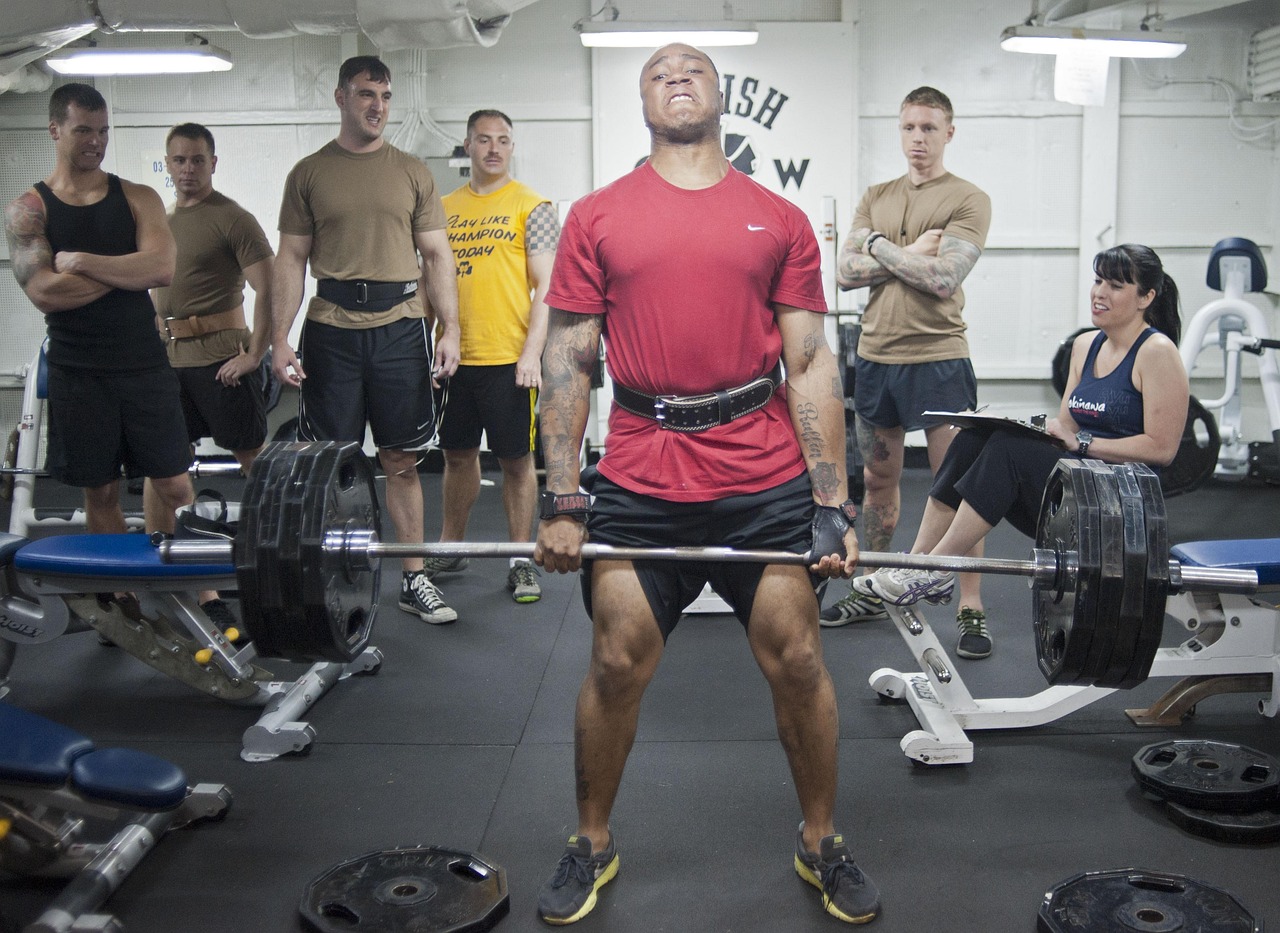
This page is for the people who lift and the people who look after them: how the sport works, how competition is organized from local meets to the Olympic Games, and most of all how to stay healthy under a bar that moves fast. Then training, recovery and the gear that’s actually worth buying. Squat, bench and deadlift are a different sport with different federations; powerlifting has its own guide: powerlifting. If you came here from CrossFit, which uses the Olympic lifts in its workouts, our CrossFit hub covers that side.
Olympic weightlifting at a glance
| The lifts | Snatch, then clean & jerk, always in that order |
|---|---|
| Attempts | 3 per lift; best snatch + best clean & jerk = total |
| Judging | 3 referees, white (good) or red (no lift); 2 of 3 decide |
| The clock | 1 minute per attempt (2 minutes when you follow yourself) |
| The bar | 20 kg for men, 15 kg for women; weight goes up in 1 kg steps |
| World body | International Weightlifting Federation (IWF) |
| In the US | USA Weightlifting (USAW) and its Weightlifting State Organizations |
| Olympics | On every Games since 1920; 12 events at LA28 |
| What it demands | Speed, power, mobility, timing and precise technique |
| Most commonly injured | Knee, lower back, shoulder, hands and fingers |
How weightlifting works
The snatch and the clean & jerk
In the snatch, the lifter pulls the bar from the floor to straight arms overhead in one movement, dropping into a squat or a split to catch it, then stands up and holds still until the referees give the “Down” signal. In the clean & jerk, the bar comes to the shoulders first (the clean), the lifter stands, then drives it overhead (the jerk), usually catching it in a split or a partial squat. Each lifter gets three attempts at each lift, and the best snatch plus the best clean & jerk make the total. Miss all three in either lift (a “bomb-out”) and there’s no total. At IWF events, medals go to the best snatch, the best clean & jerk and the best total in each category.
A few rules catch new lifters out. A press-out (finishing the lockout by pressing after you’ve caught the bar) is a no lift, and so is touching the platform with anything but your feet, pausing during the pull, or letting the bar rest on your chest partway through a clean. The full list, in plain words, is on our weightlifting rules page.
How a session runs
Weightlifting has a rhythm that’s fun to watch once you know it. The bar only goes up: the lifter who asks for the lightest weight goes first, and once the announced weight is loaded and the clock starts, it can’t come down. Lifters have one minute from being called to lift the bar off the platform, with a warning at 30 seconds, and two minutes when they follow themselves. After a good lift, the next attempt goes up at least 1 kg. Lifters and coaches can change a declared weight twice per attempt, which is where the strategy comes in: coaches in the back watch the board, count lifters and time warm-ups so their athlete walks out ready. If two lifters end on the same total, the one who made it first ranks higher. Our meet day page walks you through weigh-in, warm-ups and choosing attempts.
Weight categories
Lifters compete in bodyweight categories, and the weigh-in starts two hours before their group lifts and lasts an hour. The IWF changed its categories twice in two years. As of the 2026 season, the senior and junior categories in force from August 1, 2026 are 60, 65, 70, 75, 85, 95, 110 and +110 kg for men and 49, 53, 57, 61, 69, 77, 86 and +86 kg for women, and USA Weightlifting uses the same ones for its meets from that date. Youth lifters have their own, lighter set.
The platform and the plates
Every competition lift happens on a 4-meter-square platform, with a clear meter of space around it. Competition plates are color-coded so referees and fans can read the bar at a glance: red 25 kg, blue 20 kg, yellow 15 kg, green 10 kg and white 5 kg, plus small change plates down to 0.5 kg, and each collar weighs 2.5 kg. The plates are rubber bumpers because missed lifts get dropped, and the rules require a stretcher or backboard near the platform at IWF events.
Weightlifting at every level
Kids and teens
The American Academy of Pediatrics (AAP) supports supervised resistance training for kids, and its 2020 clinical report says the snatch and clean and their variations can be part of a youth program when kids start with light loads and have quality coaching, progressing from a wooden dowel to an empty bar to a loaded bar. The IWF’s youth age group is 13 to 17, and USA Weightlifting’s Youth Nationals have U11, U13, 14–15 and 16–17 age groups. One thing worth knowing: in a 2021 survey of top US weightlifters, those who specialized in the sport by age 16 reported more injuries before age 21, and most lifters felt early specialization wasn’t needed to reach the elite level. Our youth weightlifting page covers what pediatricians say, how to find a good coach and parents’ questions.
College
Weightlifting isn’t an NCAA championship sport, but colleges field club teams and a few run varsity programs, and USA Weightlifting keeps a list of active university teams by state. Its National University Championships (in 2026, April 9–12 at the Salt Palace in Salt Lake City, held with Masters Nationals for the first time and with no registration cap) are the last US qualifier for the FISU World University Championships, which are open to lifters at least 17 and under 25 on January 1 of the event year.
Adults and masters
Most lifters are adults who train at a barbell club, a CrossFit box or a garage gym and enter a few local meets a year. USA Weightlifting runs the sport locally through Weightlifting State Organizations (WSOs), elected volunteer committees that each hold an annual WSO Championship, mostly in September and October. Masters lifting starts at 35, and USAW gives a Masters Triple Crown to masters lifters who win gold at three eligible national events in one calendar year (17 lifters earned it in 2025). Adaptive athletes compete too: at USAW national events, lifters with a disability qualify with half the usual qualifying total, and local meets simply work out accommodations with the meet director. A first local meet is friendly: the people loading the bar want you to make your lift.
Elite and Olympic
Weightlifting has been on every Olympic program since 1920 (it also appeared in 1896 and 1904), and women first lifted at the Olympics in Sydney in 2000. Los Angeles 2028 will have 12 weightlifting events, six for men (65, 75, 85, 95, 110 and +110 kg) and six for women (53, 61, 69, 77, 86 and +86 kg), with 120 lifters in all. In the US, the national calendar for 2026 ran from the VIRUS Weightlifting Series at the Arnold Sports Festival in Columbus in March to National Championships Week in Colorado Springs in June (senior, junior, U25 and youth; the 2025 edition put more than 1,500 athletes on the platform) and the VIRUS Weightlifting Finals in Pleasanton, California, in December. The federations page explains who runs what.
Sports health for weightlifters
Lifting fast and heavy is safer than its reputation. A 2017 systematic review in the British Journal of Sports Medicine found 2.4 to 3.3 injuries per 1,000 hours of weightlifting training, similar to other non-contact strength and power sports and low compared with contact sports, and an updated 2024 review agreed. An older study of six years of injury records at the US Olympic Training Centers found that most injuries in elite weightlifters were overuse strains and tendinitis rather than joint-damaging trauma, and that for 90.5% of them the recommended time off was a day or less. Where problems do happen is consistent:
- Knee: mostly tendon pain from deep, repeated squatting and jumping under the bar.
- Lower back: mostly muscle strains from heavy pulls and squats.
- Shoulder: catching a snatch or a jerk overhead loads it in a wide, extended position.
- Hands and fingers: the hook grip, where the fingers pin the thumb to the bar, is hard on the thumbs; many lifters tape them, and the IWF rules allow tape on the fingers as long as it doesn’t stick out past the fingertips.
- Pelvic floor: the 2024 review found pelvic floor problems such as leaking urine during heavy lifts in about half of female barbell athletes (and 9.3% of men). It’s common, it isn’t something you have to just live with, and a pelvic floor physical therapist can help.
The biggest safety factors are simple. The AAP notes that most resistance-training injuries reported to US emergency rooms happen on home gym equipment with unsafe behavior and no supervision, and that hand injuries are especially common in children under 12. So learn with a coach, use bumper plates on a platform with clear space around it, put collars on the bar, and learn to miss safely: a coach should teach you to push a missed snatch or jerk away and step out from under it before the weights get heavy. Snatches and cleans aren’t spotted the way a bench press is; the bail is your safety net. Work up in small jumps, and save true maximal attempts for days when you’re fresh.
When to see a professional: sharp pain during a lift, pain that wakes you at night, numbness or tingling down an arm or leg, a joint that gives way or swells, or pain that keeps getting worse over a couple of weeks. See a sports medicine doctor, a physical therapist or an athletic trainer. A bar that hits the head or neck, or a fall from the platform, means stop for the day and get checked; if a concussion is possible, the CDC’s HEADS UP advice applies. Knee sleeves, belts and wraps are for comfort and support during lifting; they don’t treat an injury. Our weightlifting injuries page goes deeper.
Training and conditioning for weightlifters
For everyone, the CDC’s baseline is muscle-strengthening activity on two or more days a week that works all the major muscle groups. Competitive weightlifters train more often, but the same principles hold at every level:
- Technique first. A coach watching every rep is worth more than any program. USA Weightlifting’s Level 1 course is a common starting credential for coaches.
- Learn the pieces. Most coaches build the lifts from parts: front and overhead squats, pulls, presses, and the lifts from the hang or blocks, before putting them together.
- Warm up with the movement. Many lifters do a few minutes of easy cardio and mobility, then build up from the empty bar.
- Plan heavy and light days. Most programs rotate harder and easier sessions and build toward a meet in blocks, rather than testing maximums every week.
- Train the whole body. Upper back, core, hamstrings and the small shoulder muscles support the big lifts. Resistance bands are handy for warm-ups and shoulder work; see our resistance bands guide.
Our training page covers technique, programming, peaking for a meet and the mental side.
Recovery after heavy sessions
Strength and speed are built between sessions. The CDC recommends at least 7 hours of sleep a night for adults and 8 to 10 for teens, and eating enough protein and total food matters as much as the program. One thing lifters should know: a study in the Journal of Physiology (Roberts and colleagues, 2015) found that regular cold-water immersion after strength training blunted long-term gains in muscle mass and strength, so if your goal is getting stronger, many coaches suggest keeping ice baths away from lifting days. Simple tools help many lifters feel better: a foam roller for the upper back, hips and quads, and a small massage gun. Our athlete recovery routine and the weightlifting recovery page put it together, and the nutrition and supplements page covers protein, creatine and third-party testing for drug-tested lifters (USA Weightlifting members agree to anti-doping rules and can be tested).
Gear for weightlifting
You can start with flat shoes and a gym that has bumper plates and a platform. As you get better, most weightlifters add, roughly in this order: chalk, lifting shoes, thumb tape, knee sleeves, wrist wraps and a belt. Weightlifting shoes come first for many because the firm, raised heel helps you sit upright in the bottom of a snatch or clean. The IWF only asks for “sport footwear”, a belt no wider than 12 cm worn outside the singlet, and knee sleeves without buckles or straps, so most mainstream gear is legal.
- Shoes: the Reebok Legacy Lifter III (about $220) has a stated 22 mm effective heel and a midfoot strap.
- Knee sleeves: the SBD 5 mm weightlifting sleeves (about $115) are made for the Olympic lifts and sold as IWF compliant; compare more in our best knee sleeves guide.
- Belt: the Dark Iron Fitness leather belt (about $50–60) is 4 inches wide with a double-prong buckle, sizes XS to XL (22–49 in waist), inside the IWF’s 12 cm limit.
- Wrist wraps: the Gymreapers 18-inch wraps (about $20) for jerks and heavy front squats; more in our wrist wraps guide.
- Chalk: Cannon Sports gym chalk, eight 2 oz blocks for about $18. The IWF allows chalk on the hands, but no oil, talc or water on the thighs.
Reebok Legacy Lifter III
- Raised heel (about 22 mm stated)
- Midfoot strap
- About $220
SBD 5mm Weightlifting Knee Sleeves
- 5 mm neoprene
- IWF compliant (maker)
- About $115
TriggerPoint GRID 1.0 Foam Roller
- 13 in multi-density
- Hollow core
- About $40
Belts, barbells, bumper plates, racks and recovery gear for a home gym are compared on our weightlifting gear page, and the best wearables page covers bar-speed and heart-rate tracking.
Weightlifting FAQs
What are the two Olympic lifts?
The snatch, where the bar goes from the floor to overhead in one movement, and the clean & jerk, where it goes to the shoulders first and then overhead. Each lifter gets three attempts at each, and the best of each adds up to the total.
Is weightlifting dangerous?
Not as much as many people think. Systematic reviews put injury rates at about 2.4–3.3 per 1,000 training hours, similar to other non-contact strength and power sports, and most injuries in elite lifters are overuse strains and tendinitis. Good coaching, gradual progress, bumper plates on a proper platform and learning to miss safely lower the risk further.
Can kids do Olympic weightlifting?
Yes, with supervision. The AAP’s 2020 report says weightlifting movements can be taught safely with light loads and quality coaching, starting with a dowel or empty bar. Kids with conditions such as uncontrolled high blood pressure, a seizure disorder or complex heart disease should see their doctor first.
Do I need weightlifting shoes?
Not to start. Flat, stable shoes are fine while you learn with light weights. Once you’re snatching and cleaning regularly, most coaches suggest a raised-heel lifting shoe, which helps you stay upright in the bottom of the catch. Any “sport footwear” is legal under IWF rules.
How do I enter my first weightlifting meet?
Join USA Weightlifting, find a local meet on its event calendar (often run by a club or your WSO), and register in your weight category. Pick opening attempts you can make on a bad day. Our meet day page walks you through the day.
Is weightlifting drug-tested?
Yes. USA Weightlifting members agree to anti-doping rules and may be tested, and American records can only be set at drug-tested USAW national events or IWF-sanctioned events. If you take supplements, choose products that are third-party certified for sport, such as NSF Certified for Sport.
The barbell is one of the fairest things in sport: the weight is the weight, and three lights tell you if you made it. Whether you’re chasing a first bodyweight clean & jerk or an Olympic total, lift for the long run. Keep exploring with our creatine, protein powder and foam roller guides, and the other sports on our sports hub.