This article contains affiliate links: if you buy through them we may earn a commission, at no extra cost to you. Read our affiliate disclosure.
A rider rolls up to a try-out day with a brand-new handcycle ordered online. The crank is a few centimetres too far, the seat angle leaves the shoulders hunched, and the first ride ends early. The best Para cycling gear is the machine that is fitted to the rider, plus a small set of safety and comfort items. The bike is not a shopping-cart purchase; the add-ons are.
Quick answer: Try before you buy and get a professional fit: handcycles, tricycles, tandems and adapted bicycles are set up for the individual. UCI classification includes a technical check of bike adaptations. Buy a well-fitting helmet first, then lights or a visible flag, and add small items later. Verified standards (such as the US helmet standard) are not the same as maker claims.
General information, not medical advice and not a buying instruction. Sport overview: Para cycling. Standard cycling gear: cycling.
The machine: by equipment group
The UCI groups equipment by letter: C for conventional bicycle, T for tricycle, H for handcycle and B for tandem with a sighted pilot. The Paralympic Games site says road races use bicycles, handcycles, tricycles and tandems, while the track uses bicycles and tandems.
- Bicycles (C). Often a standard road or track bike with adaptations such as a prosthetic-friendly pedal, a modified crank or brake set-up. Riders with a limb difference or neurological impairment may need custom parts.
- Tricycles (T). Three wheels for riders whose balance or coordination makes a two-wheeler unsafe.
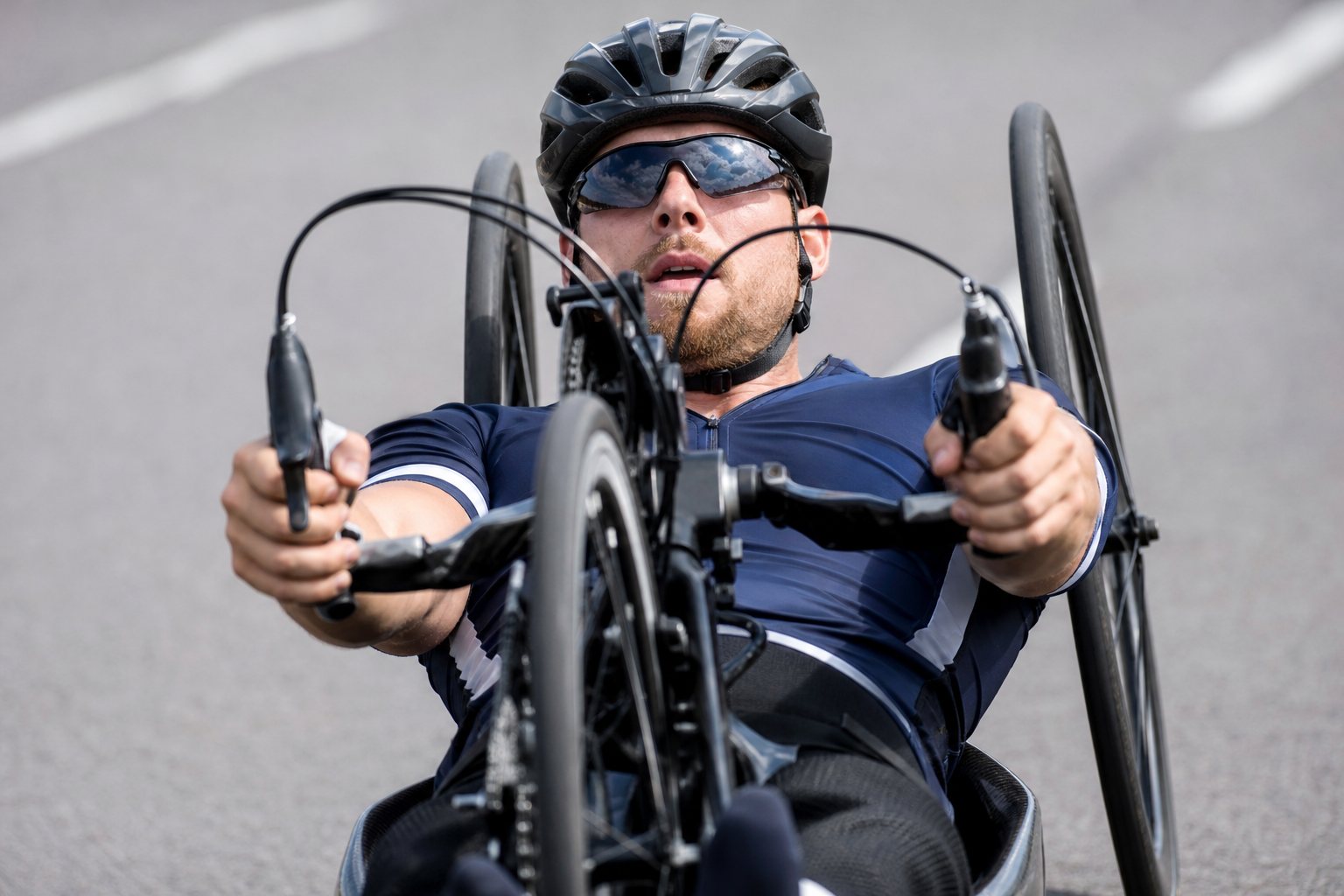
- Handcycles (H). Cranks driven by the arms, with the rider lying, kneeling or sitting depending on the class and trunk function. Sources differ on exactly how each H class sits, so check the current rules.
- Tandems (B). A pilot steers and brakes and the stoker rides behind; both riders’ fit and communication matter.
Do not buy before you have tried a machine: ask an adaptive sports program, rehabilitation centre, club or specialist dealer about demo days and loaners.
Fit and set-up
Ask a specialist to set crank length and height, seat angle and height, the hand interface, the support for the trunk and the steering, then re-check when your body or equipment changes. A bad fit can overload shoulders, wrists, neck and skin; see our injury prevention page. For skin and seating, discuss cushions and padding with a clinician or seating specialist, since pressure injuries are a particular risk for some riders; the Australian Institute of Sport has a clinical guideline on pressure injuries and skin health in Para sport.
Helmet
Wear a helmet every ride. The U.S. Consumer Product Safety Commission says all bike helmets sold in the US since 1999 must meet its federal standard (16 CFR 1203), that no helmet has been proven to prevent concussion, and that a helmet should be replaced after a crash. Helmets should sit level, snug without pressure points, and the straps should form a V under each ear; try the helmet on with your riding position and a handcycle’s low, reclined posture in mind, since some helmet backs can push into a headrest. Maker features such as rotational liners (MIPS) are maker claims; the CPSC standard is what the law checks. Check the current rules for your event, since we could not retrieve the UCI’s helmet and equipment article.
Lights, flags and visibility
Low machines are hard to see. Bright clothing, front and rear lights and a visible flag or marker are sensible general measures; they are advice, not a rule. A radar tail light can warn you of approaching vehicles, though the range quoted is the maker’s figure and mounts must fit your frame or seat.
Heart rate, power and tracking
A chest-strap heart rate sensor can help pace a ride, but heart rate responses can differ after a spinal cord injury, so ask your coach how to read it. Check that any sensor or computer fits your machine. See our cycling hub for standard devices.

Giro Register MIPS Helmet
- MIPS rotational liner (maker)
- Universal adult fit (54-61 cm)
- Meets CPSC standard
$39.99 at Amazon, as of Nov 17, 2026 02:07 UTC
Check price on Amazon
Garmin Varia RTL515 Radar Tail Light
- Radar alerts up to 153 yd (maker)
- Up to 16 h in day flash
- Check mount fit on your machine
$149.98 at Amazon, as of Nov 17, 2026 02:07 UTC
Check price on Amazon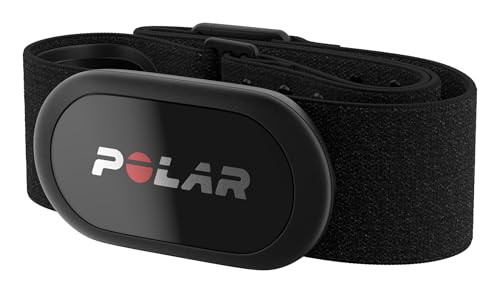
Polar H10 Heart Rate Sensor
- ECG chest strap
- Bluetooth and ANT+
- Interpret with your coach
Inspect before every ride
General habits, not a manufacturer procedure:
- Tyres: pressure and cuts.
- Brakes: both work, cables and pads in good shape.
- Steering and cranks: nothing loose, no play.
- Straps, seat and restraints secure.
- Flag, lights and batteries charged.
- After any crash, have a specialist inspect the frame, steering and helmet; replace the helmet.
Standards versus maker claims
A standard is a test written down and checked, such as the CPSC helmet rule or the UCI’s technical rules. Maker claims, such as a radar range or battery life, describe the product under the maker’s own conditions. We list claims as “maker” figures and do not claim any test of our own.
What to buy first
- A fitted helmet.
- Lights and a flag.
- Gloves and clothing that suit your position.
- A fitted machine from a specialist, rather than the cheapest option online.
Para cycling gear FAQs
How much does a handcycle cost?
We do not list prices. Ask a specialist dealer or adaptive program, and ask about funding or loan options.
Can I use my regular road helmet?
Often yes if it meets the standard and fits with your position; always check the fit.
Do I need a flag on a handcycle?
There is no rule we could confirm, but it makes you easier to see and many riders use one.
Where can I try a handcycle?
Ask an adaptive sports organisation, rehabilitation centre or club about demo days.
Is a tandem hard to ride?
Pilot and stoker need practice to work together; a club or adaptive program can introduce you.
Sources
- UCI: Para-cycling classification (equipment unit, technical checks)
- Paralympic Games: Paris 2024, introduction to Para cycling
- CPSC: which helmet
- AIS: pressure injuries and skin health in Para sport
- Giro Register MIPS on Amazon, Garmin Varia RTL515 on Amazon, Polar H10 on Amazon
This page is general information for education only, not medical advice. See our editorial policy. More: training, all sports.