This article contains affiliate links: if you buy through them we may earn a commission, at no extra cost to you. Read our affiliate disclosure.
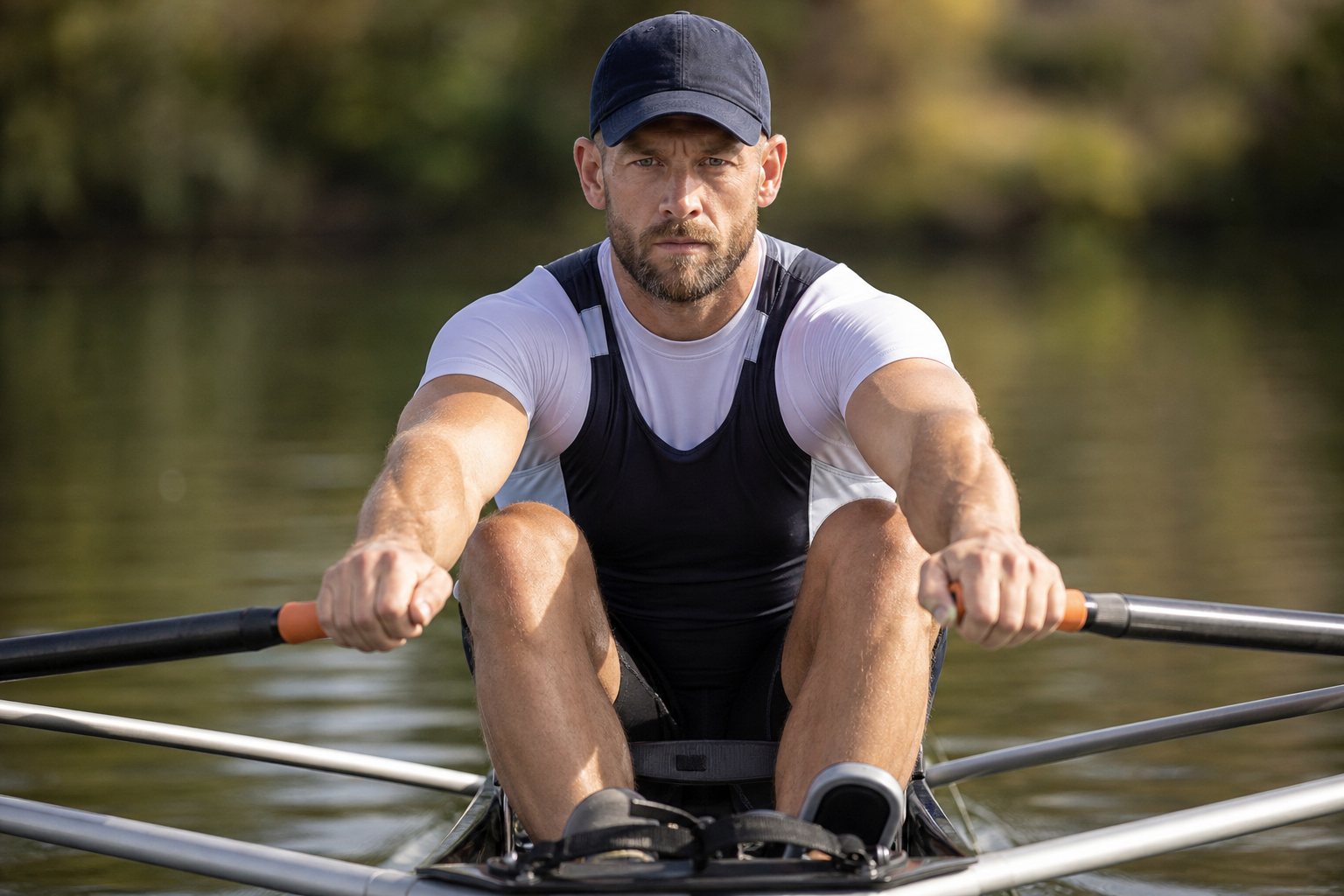
A new Para rower’s first visit to the boathouse usually ends with someone measuring: how high the seat should sit, where the strap crosses the hips, whether the footplates release cleanly. Nobody asks about brands. Para rowing gear splits into two groups. The big items, the boat, seat, footplates, strapping and pontoons, are set up with your program and your classification in mind. The small items, hand care, a heart rate strap, a bottle and an indoor rower, are what you can choose yourself.
Quick answer: Boat, seat and strapping are fitted by your program, not bought off a shelf, and strapping must allow a quick release. What you can buy is an indoor rower, hand care and cold-weather gear, a heart rate strap and a water bottle. A life jacket is required for non-swimmers under USRowing’s guidelines. If gear causes pain, numbness or skin marks, stop and ask a sports medicine doctor, physical therapist or athletic trainer.
Gear for Para rowers

Concept2 RowErg (PM5)
- PM5 monitor included
- 500 lb max user (maker)
- Splits in two for storage
$990.00 at Amazon, as of Nov 17, 2026 01:07 UTC
Check price on Amazon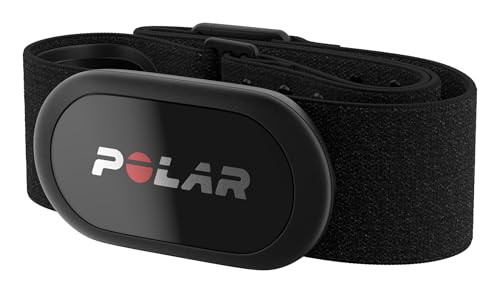
Polar H10 Heart Rate Sensor
- Bluetooth and ANT+
- Pairs with the Concept2 PM5
- Up to 400 h battery

Crewroom Pogies
- Waterproof, wind-resistant shell
- Fleece lining
- 3 pieces: sculling or either sweep side


Nalgene Sustain 32 oz Wide Mouth
- 32 oz, wide mouth
- BPA-free Tritan
- Made with 50% plastic-waste material
Specs on the cards are from the makers’ pages and the listings; they are maker claims, not tests, and none of these products is designed or certified as Para-specific equipment. Check with your coach before you buy. Safety guidance below has no product prompts on purpose.
The boat, the seat and the straps
Paralympic.org says Para boats are Olympic-style boats with safety changes: floats or pontoons on both sides of single boats, strapped-in rowers and non-sliding seats in the singles and doubles. Which setup you use is decided by your sport class (PR1, PR2 or PR3; see rules) and the program’s equipment. A 2023 rowing regulation document from Rowing Australia, which adopts World Rowing’s standards, makes World Rowing standard Para boats mandatory in some events, and sets minimum boat weights that include pontoons and strapping where used. Read the current World Rowing text for a race: the version we could read may be out of date.
The seat has the biggest effect on a PR1 single, according to PR1 rower Andrew Mangan in a 2023 USRowing article. He describes a standard seat that put weight through his low and mid back and bruised his spine until he added padding and foam wedges; USRowing is funding research on seat position and padding, and other nations such as Great Britain use custom-moulded seats for PR1 and PR2. That is one athlete’s story and a research direction, not a standard. Ask your program to adjust pads and wedges with you in the boat.
Straps and the footplates are a safety question first. Concept2 says strapping gives stability, not restraint, and must allow a quick release and safe exit, following World Rowing regulations. USRowing’s safety guidelines add that being able to remove the feet quickly is critical if the boat flips, and that quick-release shoes must be in working order.
Adapting the indoor rower
Rowing Canada’s guidance for new adaptive rowers suggests using straps to hold the legs and wrapping straps around the hips and then the torso where you need support, adjusting them for the support you want; a low backrest can be made by removing the top half of the seat. Fixed seats can be clamped to the erg rail, according to a university project that BCIT published. Concept2 says on its UK site that its tractor seat does not void the warranty, while a British Rowing article reported that other third-party changes may; ask Concept2 before altering a machine. World Rowing’s indoor categories (IAR1 to IAR7) set the strap and seat rules for indoor events.
Hands, cold and sun
Hands blister. World Rowing’s blister advice is a loose grip, clean handles, time on the water built up gradually, taping where you are prone to hot spots, and watching for infection. Tape goes on dry skin 20 to 30 minutes before rowing in one club guide, which is a tip, not a rule. Pogies, mitten-like covers that slip over the handle, keep hands warm without gloves; if you have reduced sensation in your hands, check your skin after cold sessions. The USRowing guidelines also recommend sun protection and a bottle in the boat.
Life jackets
USRowing’s guidelines require non-swimmers to wear a life jacket in the shell at all times, and all rowers to pass a swim test. The US Coast Guard says inflatable life jackets are not recommended for under-16s or non-swimmers. A life jacket must work with your strapping and seat back and still allow you to row: test it on land with your coach, choose a USCG-approved model, and follow your program’s rules. We have no cards for life jackets because fit with strapping varies by athlete.
Standards versus maker claims
- Standards: World Rowing regulations set rules for Para boats, pontoons, weights and strapping, and USCG approval applies to life jackets. These are things you can verify.
- Maker claims: weight limits, battery life and “fits any adaptive rower” are statements by the company; check them against your own set-up.
- Fit: the right test is whether you are stable, can release quickly and have no pain or pressure marks after a session.
Pre-launch inspection
- Rigging nuts are tight, and the slide, where fitted, is smooth with a blunt forward end (USRowing).
- Footplates and shoes release quickly; strap buckles and releases work.
- Pontoons or floats are secure and level.
- Seat padding and wedges are fixed and not shifting.
- Life jacket and whistle are with you; the launch is ready.
Heart rate and the monitor
A chest strap such as the Polar H10 pairs with the PM5 monitor on the Concept2. Heart rate may respond differently depending on your impairment, so ask your coach or medical team how to read it for you. See training and recovery for how data fits into a week.
Para rowing gear FAQs
Do I need to buy a boat to start?
No. Clubs and programs lend adapted equipment, and USRowing says over 60 clubs support adaptive rowing. Fit the seat and straps with your coach before buying anything.
Can I use a normal Concept2 for Para rowing?
Many athletes row on a standard Concept2 with adaptations such as straps or a fixed seat. Ask Concept2 and your coach about what is safe and what affects the warranty.
Are pogies worth buying?
They help keep hands warm and keep wind and spray off. If your hands have reduced sensation, check your skin after cold sessions.
Do I have to wear a life jacket?
Under USRowing guidelines non-swimmers wear one at all times; your program’s rules apply to everyone else.
How do I know my seat is right?
You should be stable, able to release quickly, and free of pain or pressure marks after rowing. Adjust with a coach; see a clinician if problems persist.
Sources
- Paralympic.org: 10 things to know about Para rowing
- USRowing: Andrew Mangan, rigging and seat dynamics of a PR1 rower
- Concept2 Australia: adaptive and Para rowing
- Concept2: adaptive classifications
- Rowing Canada: indoor rowing adaptations (PDF)
- Rowing Australia 2023 Para-Rowing Competition Regulations
- World Rowing: Indoor Adaptive Rowing categories (Nov 2025)
- USRowing Safety Guidelines (Dec 2022)
- US Coast Guard: how to choose the right life jacket
- World Rowing: the blister dilemma
General information for education only, not medical advice, and not a substitute for care from a sports medicine doctor, physical therapist, athletic trainer or your classification and coaching team. See how we write and check our pages in our editorial policy.