This article contains affiliate links: if you buy through them we may earn a commission, at no extra cost to you. Read our affiliate disclosure.
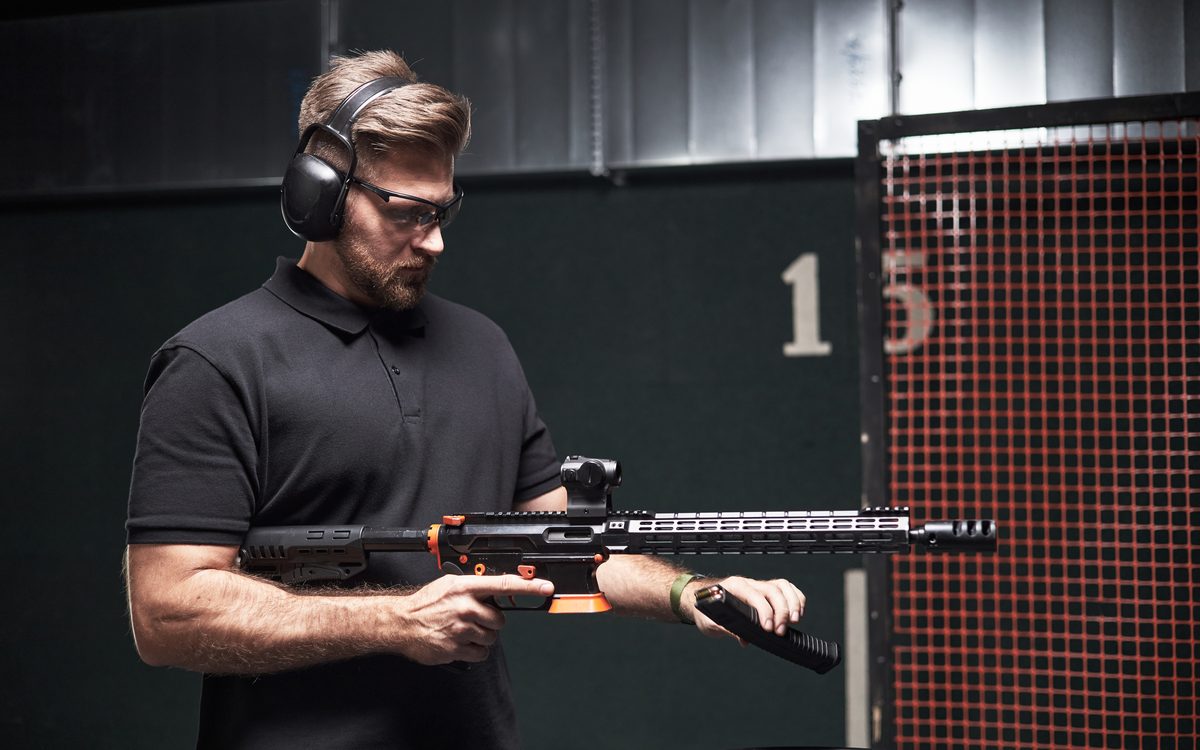
Before a big match, a shooter’s bag holds more checks than gadgets: ear protection that seals, glasses with no scratches, a jacket or shirt that passes equipment control, a water bottle, a spare layer for a cold range. Shooting gear is what you wear and carry around the gun, plus the comfort and training items that make long days easier. This page is about that second group. We do not link or recommend firearms, ammunition, optics or any weapon accessory; your coach, club and range are the right place for those decisions.
Quick answer: Spend first on what protects you: hearing protection that fits and eye protection designed for shooting, as your range requires. Next, make sure anything you wear in competition meets the federation rules, because ISSF equipment control can check clothing. Comfort and training items such as a recovery slide, foam roller, water bottle and resistance bands are optional. Ask your coach before buying anything shooting-specific.
Hearing protection
Noise is the best-documented risk in shooting, so hearing protection comes first. A review in Seminars in Hearing reports peak sound levels of about 140 to 175 dB from firearms and lists hearing protection fit and use among the factors that change risk, alongside the number of shots, distance between shooters and the shooting environment. The ISSF rules (2022 edition) require ear plugs, ear muffs or similar protection for everyone near the 25 m, 50 m and 300 m firing lines and on all shotgun ranges, and say hearing protection with sound-enhancing or receiving devices may not be worn by athletes or coaches on the firing point, except that hearing-impaired athletes may wear sound-enhancing devices with Jury approval. Ranges set their own requirements, so ask which ones apply. Some shooters use both plugs and muffs; ask your coach or a hearing professional what suits your range and whether you need to hear range commands, which are given aloud.
Choosing protection is a fit question. General practice: try on in person, check that the cups or plugs seal, and make sure glasses do not break the seal of earmuffs. A maker’s noise rating describes the device in a test; how it works on your head is up to fit and use. If ringing or fullness follows shooting, it may mean the protection is not enough; see a hearing professional. We found no verified product to link for shooting hearing protection, so none is carded.
Eye protection
The NSSF’s rules of firearm safety say to wear eye and ear protection, and the ISSF rules say athletes should wear shatterproof shooting glasses or similar eye protection while shooting. Look for glasses made for shooting, check lenses for scratches and cracks before each session, and replace damaged ones. Ask your coach which standards your range requires. We found no verified product to link here either.
Clothing, footwear and equipment control
The ISSF rules say athletes must use only equipment and clothing that comply with ISSF Rules, that athletes are responsible for compliance, and that equipment may be checked by an Equipment Control Jury, including random tests after competition. For rifle, the rules describe sealed jackets and trousers: seals with unique serial numbers registered to the athlete. They also describe measuring devices for clothing thickness, stiffness and shoe sole flexibility. Special devices, clothing or taping (including Kinesio or medical taping) that immobilise or unduly reduce movement of the legs, body or arms are prohibited for rifle and pistol athletes. Athletes are encouraged to bring items to equipment control before competing if they are unsure. The rules were updated with effect from 1 July 2026, and rifle clothing was reportedly part of the changes, so check the current ISSF rulebook before buying competition clothing. Our rules page explains more.
General fit points, not from a rulebook: clothing should let you breathe and move without chafing, and shoes should be stable and comfortable for standing for long periods. Ask your coach and club before buying specialised jackets or shoes.
Electronics, phones and wearables
The ISSF rules say radios, music players and similar sound or communication systems are not allowed on the firing point during competition and training, except for officials. Mobile phones, tablets, electronic devices and wrist-worn devices such as smart watches may not be used by athletes on the firing line. That means wearables like heart rate monitors and watches are for training away from the line, and you should check your event rules. See shooting training.
Bags, cases and the range day kit
Pack for the whole day, not just the line: a spare layer for a cold indoor range, a hat and sun protection for an outdoor one, snacks, water, your match paperwork and a small kit for blisters or a sore spot. General advice, not a rule. Keep anything electronic away from the firing line as the rules above require.
Inspection habits
Gear checks in the sport are mostly about safety and compliance. The ISSF rules make it the athlete’s responsibility that any air or CO2 cylinder is within its validity date. Beyond that, ask your coach or the range about maintenance of any equipment, and do not attempt repairs on your own. For your own items: check ear plugs and cups for wear, glasses for scratches, straps and zips on clothing and bags. When equipment is not on the firing point, the ISSF rules require guns to be kept in their cases unless a range officer allows otherwise.
Comfort and training items
These are optional items many athletes use around long range days. They are not shooting equipment, and none is a weapon accessory.
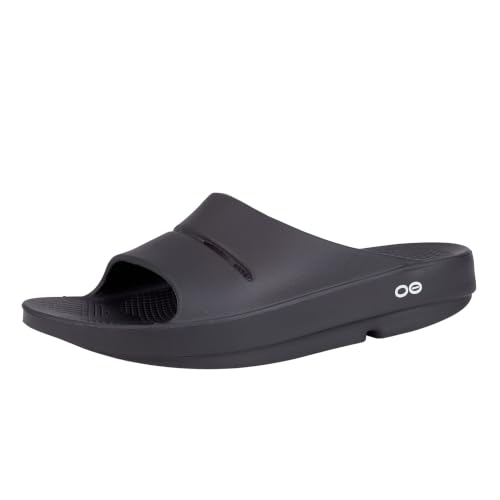
OOFOS OOahh Slide
- OOfoam slide
- APMA Seal of Acceptance
- Machine washable
$59.95 at Amazon, as of Nov 17, 2026 01:07 UTC
Check price on Amazon
TriggerPoint GRID 1.0 Foam Roller
- 13 in multi-density
- Hollow core
- Foam rolling for comfort

Nalgene Sustain 32 oz
- 32 oz, wide mouth
- BPA-free
- Easy to carry to the line

THERABAND Resistance Band Beginner Kit
- 3 latex bands
- Yellow, red, green
- Home or travel use
$11.99 at Amazon, as of Nov 17, 2026 01:07 UTC
Check price on Amazon– Recovery slides: the OOFOS OOahh slide is listed with the APMA Seal of Acceptance, a seal from the American Podiatric Medical Association; the maker’s cushioning claims are its own. Comfort for feet after standing.
– Foam roller: many athletes use one for back and legs. It is a comfort tool, not treatment; see shooting recovery.
– Water bottle: a wide-mouth 32 oz bottle makes it easy to sip through a long day; see shooting nutrition.
– Resistance bands: light bands are a common choice for shoulder and upper-back work at home. Use them with a physical therapist’s or coach’s guidance, and stop if anything hurts. See injury prevention.
# A simple way to shop
– Start with your coach, club and range rules. They know what your event requires.
– Buy protection before comfort items, and try it on in person where you can.
– Check the current federation rulebook before buying any competition clothing.
– Keep receipts and check return policies for anything that must pass equipment control.
– Skip anything that promises a better score; no clothing or accessory replaces practice.
# Standards versus maker claims
A federation rule or a government or standards body requirement is something you can check. A maker’s description is a claim by the seller. When reading any gear page, ask which one it is: the ISSF rulebook (a rule), the APMA seal (a third-party seal on one item), or a product description (a claim). We state which is which and avoid performance promises.
# Shooting gear FAQs
## Do I have to wear hearing protection?
The ISSF rules require it near the 25, 50 and 300 m lines and on shotgun ranges, and ranges set their own rules. Given the noise levels reported in research, wear it whenever your range says to.
## Can I wear a smartwatch on the firing line?
Not under the ISSF rules we read: wrist-worn devices such as smart watches may not be used by athletes on the firing line. Check your event’s rules.
## Can I use athletic tape to support a joint in competition?
The ISSF rules prohibit taping that immobilises or unduly reduces movement for rifle and pistol athletes. Ask equipment control or a Jury member before you compete.
## Should I buy a shooting jacket early?
Ask your coach and club first. Rules change, and beginners often use club equipment.
## Do you recommend firearms or ammunition?
No. This site does not link or recommend firearms, ammunition or weapon accessories.
@sources
https://www.swissshooting.ch/media/xjppkm1p/20230503_issf_rule_book_2023_v01_eng.pdf | ISSF Rule Book, 2022 edition (rules 6.1.4, 6.2.2.8, 6.2.4.2, 6.2.5, 6.2.6, 6.7)
https://www.asia-shooting.org/2026/07/issf-publishes-updated-2026-rules-and-regulations-effective-from-1-july-2026/ | Asia Shooting Confederation, updated 2026 ISSF rules
https://issf-sports.org/rules | ISSF, Rules and regulations page
https://pubmed.ncbi.nlm.nih.gov/29026261/ | Prevention of noise-induced hearing loss from recreational firearms, Seminars in Hearing 2017
https://www.nssf.org/safety/rules-firearms-safety/ | NSSF, Rules of firearm safety
https://www.amazon.com/dp/B00BRC4L14 | OOFOS OOahh Recovery Slide (ASIN B00BRC4L14, verified list in sports/BRIEF.md)
https://www.amazon.com/dp/B0FGQ17ZQH | TriggerPoint GRID 1.0 Foam Roller (ASIN B0FGQ17ZQH)
https://www.amazon.com/dp/B09GTV79HK | Nalgene Sustain 32 oz bottle (ASIN B09GTV79HK)
https://www.amazon.com/dp/B000LX4KRA | THERABAND Resistance Band Beginner Kit (ASIN B000LX4KRA)
[/staricon_products]
Sources
General information for education only, not medical advice. It does not replace a visit with a doctor, physical therapist or athletic trainer, or instruction from a certified coach or range officer. See how we write and check our pages in our editorial policy.