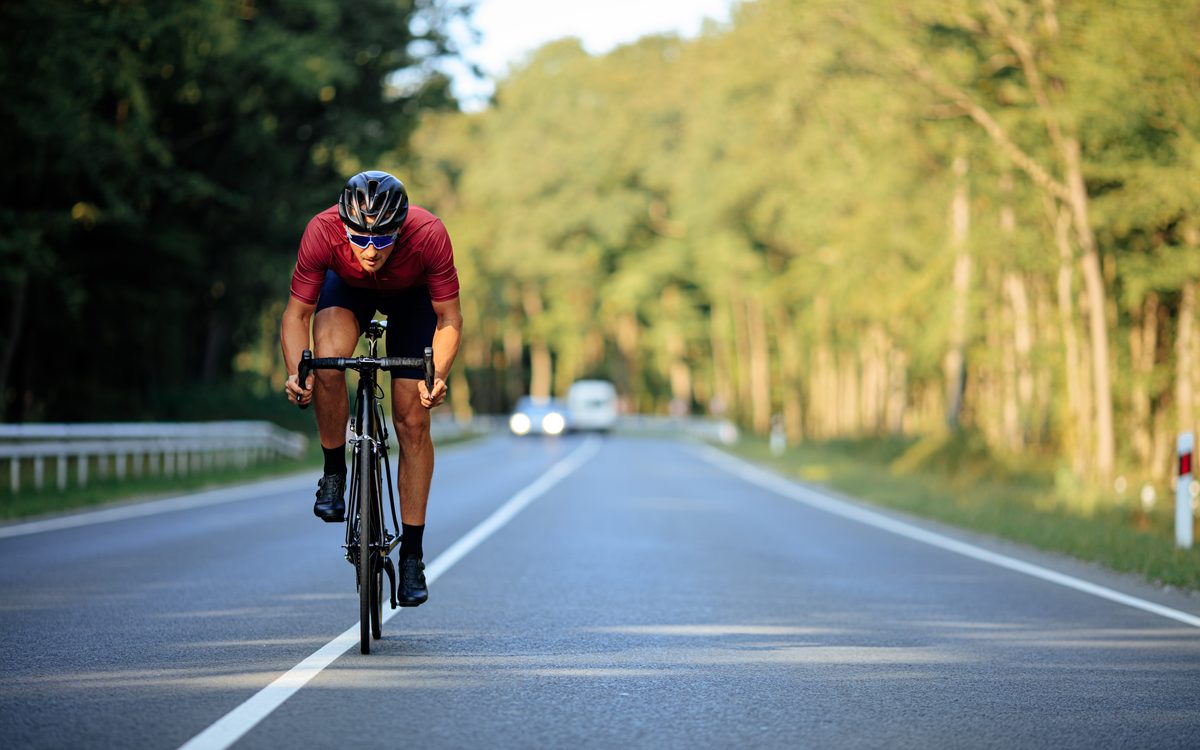
It is a Sunday-morning group ride in October, and a newer rider named Dana keeps hearing the same advice from the people around her: “just come to a race.” She has no idea what a bib number is, what “Cat 5” means, or whether she is even allowed to sit in someone’s draft. Road cycling rules and getting started is really three things: how a road race is run and won, the handful of skills that make riding in a bunch safe, and the practical path from your first group ride to a sanctioned race. This page covers all three for road racing. The wider sport lives on our cycling hub and the discipline overview is on the road cycling hub.
Quick answer: Road races are won by the first rider across the line (mass start) or by the fastest time (time trial). In the US you start in an entry category, race in a USA Cycling sanctioned event with a one-day or annual license, wear a helmet that meets the US standard, and move up by earning points. Learn bunch skills on group rides first, ask the race officials anything you do not know, and read the current USA Cycling rulebook and your event’s rules, because details change.
How a road race works
Everyone in a road race starts together and the first rider across the line wins. Riders shelter behind one another, which is why a group (the peloton) moves faster than one rider alone. A criterium is a race on a short closed loop; USA Cycling’s first-time racer guide calls the style “NASCAR on bikes” and describes it as lots of corners and sprints. An individual time trial is the opposite: riders start alone at gaps and the clock decides. At the Paris 2024 Olympics, according to NBC’s rules explainer, time trial riders left at 90-second intervals and had to leave a 2-metre gap when passing. Stage races add the results of several days together; the Grand Tours last three weeks.
USA Cycling’s guide also lists gran fondos (timed mass-participation road events, sometimes raced) and recreational rides, so you do not have to race to be a road cyclist.
The skills that matter before your first race
The skills are what keep a bunch of riders upright. This list is general coaching practice, not rules from one rulebook; a club coach will teach it better than a page can.
- Holding a wheel. Ride close enough behind another rider to get shelter, but look past their back wheel to the road ahead, not at the wheel itself.
- Smooth, predictable moves. Hold your line, avoid sudden braking, and signal or call hazards such as potholes, glass or a stopped car.
- Braking and cornering. Brake before the corner, not in it, and practice leaning the bike rather than the body on dry, clean roads before racing.
- Eating and drinking on the bike. Practice taking a bottle and food out of a pocket with one hand while holding a straight line.
- Pacing. Learn what a hard effort feels like and how long you can hold it, with a heart-rate monitor or power meter if you have one.
Riding with a club group is the usual way to pick these up; the American Academy of Orthopaedic Surgeons also advises single file when riding in a group on the road.
Levels and categories in the United States
USA Cycling says no formal training is needed to enter a sanctioned race. Road racing has five categories, from Category 5 (also called Novice) up to Category 1. Everyone starts in the entry category. Upgrades come from points earned in races, and USA Cycling says points count only after you join as an annual member. USA Cycling’s Policy VIII states that points are based on a rider’s overall place in the full field, not just your category, that races count if they fall within 36 months before the upgrade request, that stage race general classification can earn points for upgrades to Category 2 and Category 1, and that upgraded riders start with zero points in the new category. We could not read the exact point numbers for each step on the policy page, so check the current chart in Policy VIII or your USA Cycling account’s upgrade tracker.
Juniors usually race against others in a two-year age range. Internationally, the UCI is the worldwide governing body with 197 national federations; road is on the Olympic programme, and road and track are the two Paralympic cycling disciplines (see para-cycling).
Licenses, sanctioned events and helmets
USA Cycling offers an annual membership that includes an unlimited domestic racing license valid at more than 1,500 events, and a one-day license that covers a single race day. It recommends the annual racing membership if you want to earn upgrade points and track rankings. Memberships include medical coverage, and USA Cycling says to file an incident report with the event organizer and a claim with USA Cycling after an injury. Look for events with the USA Cycling logo, which means they are sanctioned, and find them through BikeReg’s event finder.
On helmets, the rule is plain. USA Cycling’s Policy I says licensed riders must wear a helmet when taking part in or preparing for a permitted event, including club rides, and the helmet must meet either the US DOT standard or the US Consumer Product Safety Commission bicycle helmet standard. Helmets certified only to the European CEN standard are allowed only in races on the UCI calendar. The rule does not apply to riders on rollers or stationary equipment. See our gear page for fitting and standards.
Your first race: a practical path
- Ride with others first. Join a club or shop group ride for a few weeks.
- Choose a beginner-friendly event. USA Cycling points newcomers to entry-level categories with shorter, less technical races.
- Get a license. Annual for several races, one-day for a trial.
- Prepare the bike. USA Cycling says to leave time for shop repairs and to lay gear out the night before.
- Race day. Arrive early, check in for your number, and pin the bib on all four corners with a pin between each corner, confirming which side the race wants. Warm up by spinning an easy gear, avoid trying new food, and ask the event staff or a USA Cycling official if you are unsure.
- Afterward. Rehydrate, eat, and watch other races to learn how a field behaves.
Where to find a club or program
USA Cycling’s first-time racer page links a Find a Team tool, a Find a Coach tool and a Clubs and Teams page, and points to BikeReg for local events. Outside the US, start with your national federation, found through the UCI. USA Cycling publishes its rulebook and policies and the UCI its regulations; read the version in force for the year you race.
Related sections
The rest of this set covers training, injury prevention, injuries, recovery, nutrition and supplements, mental training and gear. Related disciplines: track cycling, cyclocross and gravel cycling.
Road cycling rules and getting started: FAQs
Do I need a license to race a road bike?
For a USA Cycling sanctioned event, yes: an annual membership with a domestic racing license, or a one-day license. Group rides usually do not need one; check the event’s rules.
What does Cat 5 mean in road racing?
In the US system, Category 5 (also called Novice) is the entry level for road racing. Categories rise to Category 1, and riders move up by earning points in races. Check USA Cycling Policy VIII or your account’s upgrade tracker for the current numbers.
Is drafting allowed?
In mass-start road races and criteriums, riding in another rider’s shelter is the whole tactical idea. In individual time trials, riders start alone and, per NBC’s Paris 2024 explainer, had to keep a 2-metre gap when passing, so shelter is not part of the contest. Always check the rules for your event and category.
What do I wear and bring on race day?
A helmet that meets the standard in USA Cycling’s Policy I, cycling shoes, a bike in good working order, food and drink you have already tried in training, and your license. Lay everything out the night before.
Sources
- USA Cycling: first-time racer guide
- USA Cycling: category upgrades
- USA Cycling Policy VIII (upgrades)
- USA Cycling Policy I (helmets)
- UCI: about the UCI and its disciplines
- NBC Los Angeles: road cycling rules and format, Paris 2024
- AAOS OrthoInfo: bicycle safety
General information for education only, not medical advice. It does not diagnose, treat or clear anyone to ride or race. Talk to a sports medicine doctor, physical therapist or athletic trainer about your own body. How we write and check our pages is in our editorial policy.