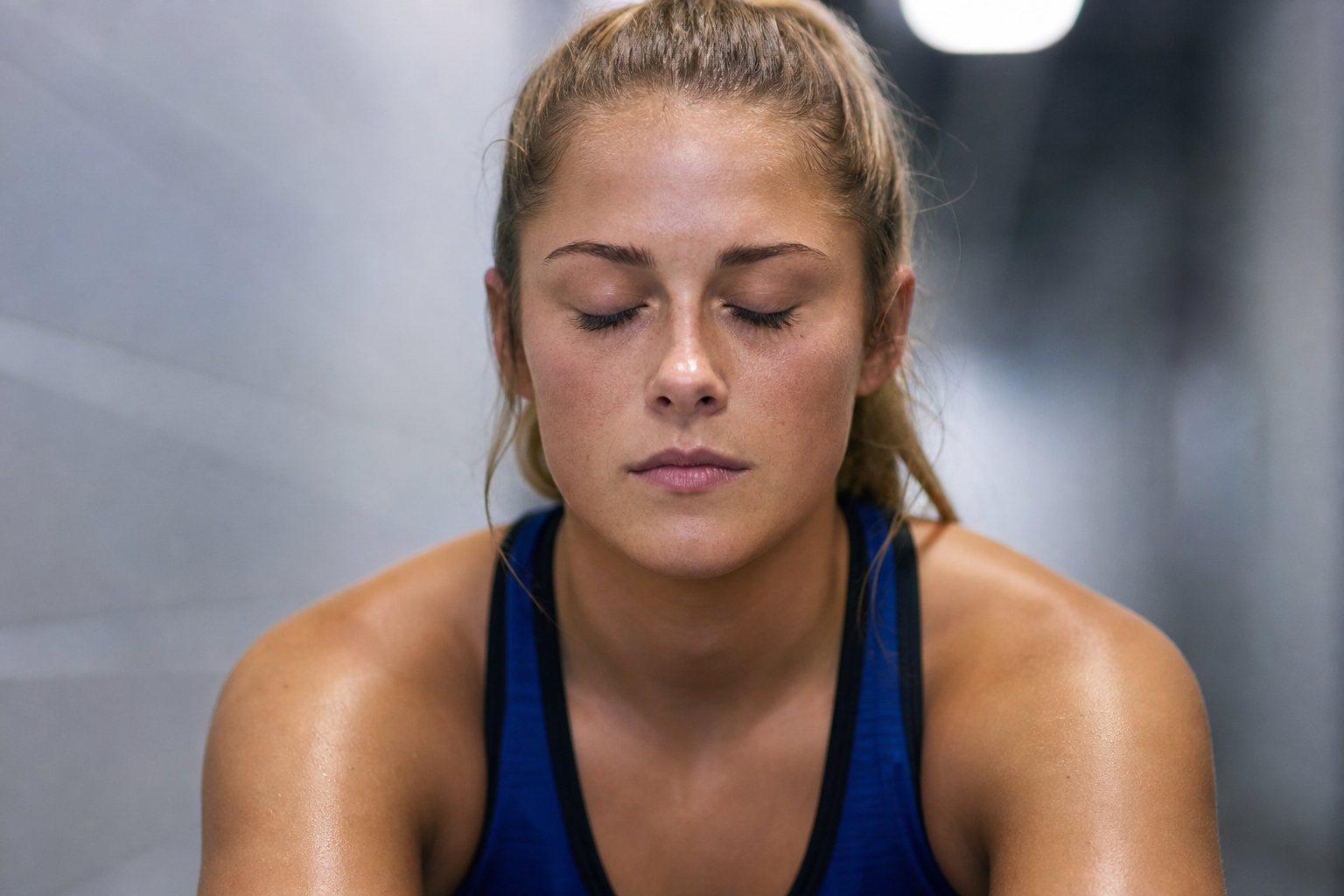
This page is for athletes, parents and coaches who want to train the mind as well as the body. It covers performance skills such as focus, confidence, routines and handling pressure. It suits young players, adults returning to sport and coaches building team culture.
It answers questions like how to stay calm before a big match, how to bounce back from a mistake, and how to prepare for competition day. These are skills, and like any skill they get better with practice.
Important: this page is about performance skills. It is not mental-health care. If you or someone you know is struggling with low mood, anxiety that will not ease, an eating problem, thoughts of self-harm or anything that feels overwhelming, please speak to a doctor or a qualified mental-health professional. In an emergency, contact your local emergency number. A sports psychologist or counsellor can help with performance and well-being, and a coach cannot replace one.
Focus and attention
Focus is choosing what to pay attention to and returning to it when distracted. Athletes often use a simple cue, such as a word, a breath or a spot on the ground, to bring attention back. Practising it in training, not just on match day, makes it dependable.
It helps to separate what you can control, such as your effort and preparation, from what you cannot, such as the referee or the weather.
Confidence and goal setting
Confidence grows from preparation and honest evidence of progress, not only from positive words. Keeping a short note of what went well in each session builds a fair picture of your ability.
Goals work best when they include things you control, such as a skill to practise or a routine to follow, as well as outcomes such as results. Break big goals into small steps and review them regularly. Young athletes especially do well with goals that focus on learning and enjoyment.
Routines for practice and competition
A routine is a short, repeatable set of actions before a key moment: a free throw, a serve, a start or a shot. It gives the mind something steady to do and reduces the urge to overthink. Many athletes also have a simple pre-competition routine for the day, covering what to eat, when to warm up and how to settle nerves.
Good preparation links to the rest of your habits. See Sleep and Recovery for Athletes and Hydration for Athletes, because tired or dehydrated athletes find it harder to think clearly.
Managing pressure
Feeling nervous before competing is normal and often means you care. The aim is not to remove nerves but to channel them. Slow breathing, a short warm-up routine, a calm self-talk phrase and picturing a successful performance are common tools.
If nerves become so strong that they stop you enjoying sport or cause distress, that is a good reason to speak with a mental-health professional or sports psychologist, not just to try harder.
Decision-making and team communication
Quick decisions come from experience and clear roles. Practising game-like situations, then talking them through afterwards, helps athletes read play faster. In team sports, short, clear calls, agreed signals and respectful feedback matter more than shouting. Coaches can set the tone by praising effort and good choices, not only results.
Responding to mistakes
Everyone makes errors. What matters is the next play. Many athletes use a reset: a breath, a physical cue such as touching the boots or the racket, and a quick plan for what comes next. Review mistakes later, calmly, as information, not as a verdict on you as a person.
Injury and long layoffs can also be hard on the mind. Our Return to Sport hub covers that side of the journey.
Competition preparation
Preparing well means planning the practical details early: travel, kit, food, sleep and warm-up. Rehearse the day in your head, and have a plan for what you will do if things go wrong, such as a delay or a bad start. Afterwards, take time to reflect, rest and enjoy what went well.
Many of our sport guides include examples of mental training for that sport. Find yours through the links below, and see Best Mental Training Tools for Athletes for books, apps and journals.
Guides to read next
- Training Principles
- Skills & Technique
- Best Mental Training Tools for Athletes
- Sleep and Recovery for Athletes
- Return to Sport
- Overtraining and Overuse Injuries
- Tennis Mental Training
- Golf Mental Training
- Basketball Mental Training
- Soccer Mental Training
- Gymnastics Mental Training
- Running Mental Training
- Swimming Mental Training
Frequently asked questions
Is mental training the same as therapy?
No. Mental training builds performance skills such as focus and routines. Therapy and counselling treat mental-health conditions. Some people use both.
How do I stop being nervous before a competition?
Most athletes do not remove nerves; they learn to use them. Breathing, a steady routine and good preparation help. If anxiety feels overwhelming, talk to a professional.
How long does mental training take to work?
Like physical skills, it builds with regular practice. Short daily habits usually help more than occasional long sessions.
What should a parent do when a child is upset after a loss?
Listen first, praise effort and let the child talk when ready. Avoid instant analysis. If the distress lasts, speak to a doctor or counsellor.
Can a team have mental training together?
Yes. Shared routines, clear communication and a supportive culture are common team goals, and many coaches work with a sports psychologist.