This article contains affiliate links: if you buy through them we may earn a commission, at no extra cost to you. Read our affiliate disclosure.
The gate is eight metres up on a steel ramp, eight riders are balanced on their pedals, and the starter’s voice counts down through a speaker. Then the gate drops, and a whole race is decided before most people finish a sneeze. At Paris 2024, France swept the men’s podium at the Saint-Quentin-en-Yvelines track, with Joris Daudet taking gold, and Australia’s Saya Sakakibara won the women’s title. BMX racing (bicycle motocross, often just “BMX” or “racing BMX”) is a head-to-head sprint on 20-inch bikes around a short dirt track full of jumps and banked turns.
BMX Racing guides: what do you need?
New to bmx racing? Start with the first card. Everything here is general education, not medical advice.
History & Origins of BMX Racing
BMX stands for “bicycle motocross.” The UCI says the sport began in California when young riders built dirt tracks and copied motocross riders on their bicycles (UCI). The exact birth year is not settled: the UCI points to the late 1960s, while USA BMX’s own history says it is arguable whether the sport was born in 1969 or the very early 1970s, so we treat the origin date as disputed.
What is documented is the organising that followed. The sport spread across the United States in the 1970s and reached other regions in the late 1970s. The International BMX Federation (IBMXF) was created in 1981 and held the first official world championships in 1982 in Dayton, Ohio. BMX racing is now fully integrated into the UCI; sources differ on the exact year that happened, so we do not give one. The big step for the elite side came when BMX racing made its Olympic debut at Beijing 2008. Since then the Games have been the sport’s biggest stage, and Los Angeles 2028 is planned to include it again.
- Late 1960s to early 1970s (disputed): Kids in California race bicycles on homemade dirt tracks, copying motocross.
- 1970s: The sport spreads across the United States and, by the end of the decade, to other regions.
- 1981: The International BMX Federation is created.
- 1982: First official BMX World Championships, in Dayton, Ohio.
- 2008: BMX racing debuts at the Olympic Games in Beijing.
- 2021: Tokyo 2020 (held in 2021) crowns Niek Kimmann (NED) and Bethany Shriever (GBR).
- 2024: France sweeps the men’s podium at Paris 2024.
- 2026: The Brisbane World Championships finals are cancelled for wind, and titles are awarded from the last completed round.
Source: UCI, “What is BMX Racing?”; USA BMX history (usabmx.com). Our BMX page covers all styles.
Legends of the Sport
Athletes from different eras, not ranked.
- Anne-Caroline Chausson (FRA) and Maris Strombergs (LAT): won the first Olympic BMX racing gold medals at Beijing 2008 (Olympedia).
- Mariana Pajón (COL): Olympic champion at Rio 2016, her second Olympic gold, and a silver medallist at Tokyo 2020 (UCI, Olympics.com).
- Connor Fields (USA): Rio 2016 Olympic champion (UCI).
- Niek Kimmann (NED): Tokyo 2020 Olympic champion and 2021 world champion (Olympics.com, UCI).
- Bethany Shriever (GBR): Tokyo 2020 Olympic champion and a four-time elite world champion through 2026 (UCI).
- Alise Willoughby (USA): three-time elite world champion, the latest in 2024 at Rock Hill (UCI).
- Joris Daudet (FRA): Paris 2024 Olympic champion and three-time elite world champion (UCI).
- Saya Sakakibara (AUS): Paris 2024 Olympic champion who has taken World Cup overall titles (UCI).
Official results and records
We only list champions and records here after checking them on the official source. For the latest results, go to:
How we keep this current: we re-check facts after each major championship and update this page. Spot an error? See our editorial policy.
BMX racing at a glance
| What it is | A mass-start sprint: up to eight riders per race, down a start ramp and around a dirt track of jumps, rollers and berms. |
|---|---|
| How it is won | First across the line. Riders move through qualifying rounds, quarter-finals, semi-finals and a final; the UCI says races often last under 40 seconds. |
| Who races | Kids as young as 5 under the UCI rules, through age groups, women’s classes and pros; USA BMX also runs balance-bike classes for ages 5 and under. |
| Where | Purpose-built tracks. The UCI describes tracks of about 350 to 400 metres; USA BMX counts 300-plus tracks in the US, Canada and Curaçao. |
| Governing bodies | UCI worldwide; USA BMX (with BMX Canada’s rulebook) for local and national track racing; USA Cycling for national championships and college racing. |
| Season | Local tracks race most of the year where weather allows. USA BMX’s Grand Nationals are scheduled for 25 to 29 November 2026 in Tulsa; the UCI World Cup 2026 opened in June in Sarrians. |
How a BMX race works
Riders line up behind a start gate on an elevated ramp. The UCI says the ramp is 8 metres high for elite riders and 5 metres for younger or less experienced riders, which is why a beginner track feels much gentler than a world-cup one. When the gate drops, everyone pedals down the hill, and the first jump arrives within seconds. After that it is a mix of pumping (pushing the bike into the backside of each jump to keep speed), gap jumps, rhythm sections and banked corners. Elite riders can reach close to 60 km/h, according to the UCI.
Most bikes have 20-inch wheels, a single gear, flat handlebars and no suspension. USA BMX rules bar kickstands, chain guards and pegs, and require flat pedals for riders 12 and under and for Novices.
Local race day formats
At a USA BMX local, riders race in “motos” (heats). The 2026 rulebook lists transfer formats, with riders earning their way to the main event from two or three motos, or on total points. Classes are split by age, gender, skill level and wheel size, and a rider who is new starts as a Novice. Many tracks lend a bike and helmet for a first visit, and the rulebook offers a one-day trial membership. Ask the track operator what you need before you show up.
Who races and at what level
Kids and youth. The USA BMX rulebook has a Balance Bike class for ages 5 and under and an electric stability cycle class for ages 3 to 7, then age groups for every year after. The UCI sets 5 as the minimum age for its BMX racing licence. See our youth BMX page.
Adults. Age groups continue as far as 56 and over for men and 51 and over for women, and there are cruiser classes up to 66 and over.
School and college. BMX is not an NCAA or NFHS sport. College racing runs through USA Cycling’s collegiate programme; the 2026 Collegiate BMX National Championships were held in West Monroe, Louisiana, in March, and Marian University won the team omnium.
Elite. The pro pathway runs through national championships, the UCI BMX World Cup series and the world championships. USA Cycling held the 2026 elite BMX racing nationals in Rock Hill, South Carolina, in March.
Olympic status
BMX racing made its Olympic debut at Beijing 2008 and was on the programme in Paris in 2024. For Los Angeles 2028 (14 to 30 July), the LA28 games plan lists BMX racing, and the UCI says it will be held at the Sepulveda Basin Recreation Area in the San Fernando Valley. NBC Olympics lists quarter-finals on 15 July and semi-finals and finals on 16 July 2028, with times subject to change. For the current Games’ official programme, check olympics.com or the UCI.
Physical demands
A BMX race is a sprint, so everything that matters happens in about half a minute: explosive leg power out of the gate, upper-body strength to pull the bike through jumps and stay in control, and the nerve to hold your line in a crowd. In a 2026 study of 10 international riders, the time to cover the first 15 metres correlated with peak power in a short sprint test (r = -0.80), though the authors cautioned that the group was small. For most kids and recreational adults, the real physical gains are in coordination, balance and basic fitness. Training pointers are on our BMX training page.
Health and safety in BMX racing
This section is general information, not medical advice. If you are hurt or worried about a recurring problem, see a sports medicine doctor, physical therapist or athletic trainer.
What the injury data show
BMX racing is a contact-heavy, high-speed sport, and the numbers show it. A Tokyo 2020 surveillance report in the British Journal of Sports Medicine put BMX racing among the sports with the highest injury incidence at the Games, at 27% of athletes, alongside boxing. A 2025 meta-analysis across all competitive cycling disciplines found BMX had the highest injury incidence, 4.59 injuries per 365 days, with the upper limb affected in 65.21% of BMX injuries; skin cuts and abrasions were the most common type and fractures were second. A 2025 scoping review in Sports Health says contusions, lacerations and fractures are common in BMX, and that few prevention strategies have been tested. The American Academy of Orthopaedic Surgeons lists collarbone and wrist fractures among typical bike crash injuries.
Head injury and concussion
A rider who takes a hard fall should come off the track and be checked. The CDC’s HEADS UP programme lists signs such as being dazed or confused, clumsiness, slower speech, headache, dizziness and balance problems. Remove the rider from play and have a healthcare provider decide when it is safe to return; call 911 for danger signs including repeated vomiting, a seizure, worsening headache, slurred speech or one pupil larger than the other. The USA BMX rulebook has its own concussion policy that requires a written release before a rider returns.
Rules and equipment that matter
- Helmet: the UCI requires a full-face helmet with a visor of at least 10 cm. The US Consumer Product Safety Commission says BMX helmets should meet ASTM F2032, and that no helmet has been proven to prevent concussion. Bike helmets are made for a single impact, so replace one after a crash.
- Body cover: the UCI rulebook calls for gloves, a jersey and long pants. USA BMX’s rulebook asks for enclosed shoes and recommends long sleeves and trousers.
- Track fit: beginner starts use a lower ramp. Do not enter a section of the track that is above your level; ask the track staff.
- Heat: summer evening motos in the sun can be hot. The National Athletic Trainers’ Association says heat acclimatization takes 7 to 14 days, so ease in at the start of the season and drink before the gate, not after.
More on injury patterns and prevention is on our BMX injuries page.
Training, recovery and nutrition pointers
Most racers improve by practising gate starts, cornering and pumping on a track rather than by long rides: repeat short starts, then rest fully between them. Off the bike, short sprints, jumps and basic strength work build the legs and upper body. On race days, eat a familiar meal one to four hours before riding (the guidance in the ACSM, Academy of Nutrition and Dietetics and Dietitians of Canada joint statement) and keep water handy between motos. Sleep matters too; the CDC recommends 9 to 12 hours for children 6 to 12, 8 to 10 for teens and at least 7 for adults. See the training, recovery and nutrition and supplements pages for the full set.
Gear for BMX racing
Start with the helmet, gloves and a bike that fits. The three cards below are a starting list from our BMX research. The Bell Sanction 2 full-face helmet is listed by Amazon as carrying both ASTM downhill and BMX certifications (always check the label inside the helmet you receive), and the Fox Racing Dirtpaw glove has knuckle guards and a padded palm. For the bike, the Mongoose Title Pro is a 20-inch race bike aimed at beginner or returning riders; confirm the rider-height range for the size you want. A local track operator or bike shop can tell you whether a frame is the right size.

Bell Sanction 2 Full-Face Helmet
- Listed as ASTM downhill and BMX certified
- Removable cheek pads
- Check size chart before ordering

Fox Racing Dirtpaw Gloves
- TPR knuckle guards
- Padded palm
- Neoprene cuff

Mongoose Title Pro BMX Race Bike
- 20-inch wheels
- Aluminum frame
- Chromoly cranks, linear pull brake
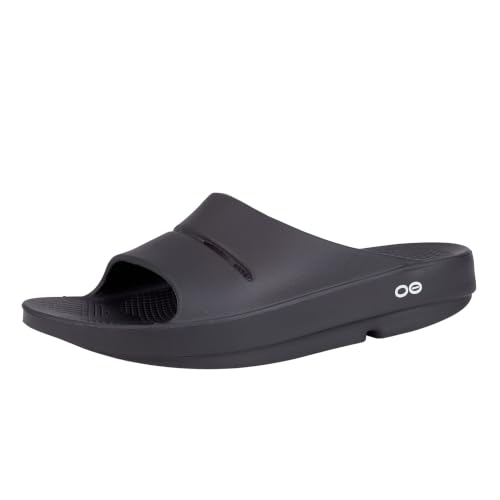
OOFOS OOahh Slide
- OOfoam slide
- APMA Seal of Acceptance
- Machine washable
Details come from Amazon listings and can change; check the helmet’s own label. More on our BMX gear page.
Related sports and disciplines
- BMX: the parent page, with all BMX styles.
- BMX freestyle: the judged, trick-based side of BMX.
- Cycling and mountain biking: other bike sports with their own safety rules.
- Skateboarding: another action sport that shares the Olympic spotlight.
BMX racing FAQs
How long is a BMX race?
The UCI says races often last under 40 seconds on tracks of about 350 to 400 metres. A local race day is made of several short motos with waiting in between, so the day itself takes a few hours.
How old do you have to be to race BMX?
The UCI regulations set a minimum age of 5 for its BMX racing licence, and USA BMX has balance-bike classes for ages 5 and under and electric stability cycle classes for ages 3 to 7. Adult classes run into the 50s and 60s.
Is BMX racing in the 2028 Olympics?
Yes. The LA28 games plan lists BMX racing, with the UCI naming the Sepulveda Basin Recreation Area as the venue; NBC Olympics lists 15 and 16 July 2028 for the racing days, with times subject to change.
What do I need for my first race?
Many tracks lend a bike and helmet for a first visit. Plan on closed shoes, long trousers, long sleeves and gloves, plus a full-face helmet; USA BMX says full-face helmets are highly recommended. Call the track first.
Is BMX racing dangerous?
It has a higher injury rate than most cycling disciplines in the studies above, mostly cuts, bruises and arm or collarbone fractures. Protective gear, a track that matches your skill level and a coach who teaches how to fall and how to ride the first corner cut the risk but do not remove it.
Sources
- UCI: What is BMX Racing?
- UCI: LA28 BMX competitions at Sepulveda Basin
- UCI: Paris 2024 BMX racing gold
- NBC Olympics: cycling at LA28 schedule
- USA BMX: The Sport and the 2026 rulebook
- Soligard et al., BJSM 2023: Tokyo 2020 injuries and illnesses
- Fallon et al., BMJ Open Sport Exerc Med 2025: cycling injury meta-analysis
- Rockliff et al., Sports Health 2025: BMX scoping review
- Brøgger-Jensen et al., BJSM 1990: 1989 BMX European Championship
- Marcen-Cinca et al., 2026: BMX start performance and Hurst et al., 2018: neck braces in youth BMX
- CDC HEADS UP: signs and symptoms
- CPSC: Which Helmet for Which Activity?
- AAOS OrthoInfo: Bicycle Safety
Keep exploring: the BMX hub, BMX rules, BMX injuries, our recovery tools guide, ankle braces and the sports hub.