This article contains affiliate links: if you buy through them we may earn a commission, at no extra cost to you. Read our affiliate disclosure.
Athens, 1896: on the first modern Olympic Games, 39 shooters from seven nations stepped up to compete in three pistol events and two rifle events, according to the International Shooting Sport Federation (ISSF). More than a century later, the picture is the same in spirit: a quiet line, a breath held and let go, and a score that comes down to millimetres. Shooting, also called sport shooting, target shooting or Olympic shooting, is the family of precision sports in which athletes fire rifles, pistols or shotguns at paper targets or flying clay targets, and the most accurate competitor wins.
Shooting guides: what do you need?
New to shooting? Start with the first card. Everything here is general education, not medical advice.
History & Origins of Shooting
Shooting was on the programme of the first modern Games, Athens 1896, largely because Pierre de Coubertin was himself a keen pistol shooter (Olympedia). The international federation was founded on 17 July 1907 in Zurich, when seven national federations met and chose Daniel Mérillon as first president; it was dissolved in 1916 during World War I and revived in Paris on 16 April 1920 as the Union Internationale de Tir, and “Sport” was added to its name in 1998 (ISSF history). Olympic shooting has had gaps: none at St. Louis 1904 and none at Amsterdam 1928, where prize money clashed with the amateur rules of the time. Women could first enter at Mexico City 1968, separate women’s events began at Los Angeles 1984, and Tokyo 2020 set the programme at six men’s, six women’s and three mixed team events (Olympedia). This page covers Olympic-style target and clay shooting only.
- 1896: Shooting at the first modern Olympics, Athens.
- 17 July 1907: The international shooting federation is founded in Zurich.
- 16 April 1920: Federation revived in Paris as the UIT after the 1916 dissolution.
- 1928: No shooting at the Amsterdam Olympics; it returns in 1932 with two events.
- 1968: Women first compete at the Olympics (Mexico City).
- 1984: Separate women’s events at Los Angeles.
- 1986: First ISSF World Cup events (rifle/pistol in Mexico City, shotgun in Montecatini).
- 1998: “Sport” is added to the federation’s name; it becomes the ISSF.
- 2021 (Tokyo 2020): Olympic programme of six men’s, six women’s and three mixed team events.
Notable Athletes
Shooters from different eras, with medal counts as shown on Olympedia. Not a ranking.
- Carl Osburn (USA): 11 Olympic medals (five gold, four silver, two bronze), the most listed for any shooter.
- Willis Lee (USA): seven Olympic medals, five of them gold.
- Ole Lilloe-Olsen (NOR): six Olympic medals, five of them gold.
- Margaret Murdock (USA): silver in small-bore rifle three positions at Montréal 1976, in an event open to both men and women.
- Jasna Šekarić (YUG/IOA/SCG): five Olympic medals.
- Kim Rhode (USA): six Olympic medals including three golds, the most among women.
- Jin Jong-oh (KOR): six Olympic medals, four of them gold.
- Vincent Hancock (USA): five Olympic medals, four of them gold.
Official results and records
We list no results or records tables here; check the official pages for current champions and records.
- ISSF: World Cups, World Championships, results and records.
- Olympics.com shooting: Olympic results.
- Olympedia shooting: Olympic medal history.
How we keep this current: we re-check facts after each major championship and update this page. Spot an error? See our editorial policy.
This page covers the Olympic-style shooting sports: how they work, who competes, what the body does, and how to stay safe, especially your hearing, eyes and joints. It is about competitive target shooting only. Hunting has its own page at hunting, and archery, another precision sport, is at archery.
Shooting at a glance
| What it is | Precision sport: rifle, pistol and shotgun (trap and skeet) events. Athletes shoot paper targets or clay targets and are scored on accuracy. |
|---|---|
| Olympic events | 15 medal events on the LA28 programme: six men’s, six women’s and three mixed team events (ISSF, 2025-26). |
| Participants | Men’s, women’s and mixed team events at the Olympic level; Para shooting has its own classes. |
| Where it is played | Indoor ranges for 10 m air rifle and air pistol; outdoor or indoor ranges for 50 m rifle and 25 m pistol; shotgun fields for trap and skeet. |
| Governing body | ISSF worldwide (founded in 1907 in Zurich); USA Shooting is the US national governing body for Olympic shooting sports (chartered in April 1995). |
| Season | Competitions run through the year; the LA28 qualification period runs from 31 July 2026 to 1 May 2028. |
How shooting works
Shooting is really three families of events that share one idea: be precise, be calm, repeat. The ISSF describes the Olympic events by distance and equipment, which is the easiest way for a beginner to read the schedule.
- **Rifle:** the 10 m air rifle uses compressed air at 10 metres. The 50 m rifle 3 positions event is shot from three body positions in qualification: prone, kneeling and standing.
- **Pistol:** the 10 m air pistol is shot at 10 metres. The 25 m events are the women’s 25 m pistol and the men’s 25 m rapid fire pistol.
- **Shotgun:** trap and skeet. The athlete fires a shotgun at clay targets thrown into the air.
- **Mixed team:** at LA28, mixed team events are held in 10 m air rifle, 10 m air pistol and trap.
For LA28 the ISSF confirmed these men’s and women’s events: 10 m air rifle, 50 m rifle 3 positions, 10 m air pistol, skeet and trap; plus the men’s 25 m rapid fire pistol and the women’s 25 m pistol. That is 6 + 6 + 3 mixed team events.
The ISSF also changed some final formats from 1 January 2026. Shotgun finals and the men’s 25 m rapid fire pistol final grow from six to eight athletes. The 50 m rifle 3 positions final becomes standing only, although qualification still uses prone, kneeling and standing. Mixed team finals use an elimination format among the four teams that advance, with no separate gold and bronze matches. If you are watching your first competition, remember that the qualification round decides who reaches the final, and that the finals are where the format differs most between events.
Who shoots, at every level
Beginners and juniors
Most people start at a club or range with a certified coach and club-owned equipment, often with air rifles or air pistols, which are quiet and easy to run indoors. USA Shooting says it supports certified clubs and training centres and lists sanctioned events across the country. It also lists the Scholastic Action Shooting Program and the Scholastic Clay Target Shooting Program as partners, but its pages we could read do not explain junior age groups or rules, so ask a local club about youth programs and age limits.
College
Shooting sports are part of collegiate sport in the United States: a 2021 systematic review of injuries in Olympic-style shooting describes shooting sports as included in collegiate and Olympic events. We could not confirm current NCAA team counts or championship formats from an official page, so check ncaa.com and your target school’s athletics site.
Elite and international
The ISSF runs World Championships and World Cups. The qualification system for LA28, announced in 2026, allocates 340 athlete quota places (170 men and 170 women): 316 earned in qualifying competitions between 2026 and 2028, 12 reserved for the host country, the United States, and 12 universality places. A country can enter up to 24 athletes, with at most two per individual event. The first places are decided at the World Championships in Doha in 2026, with more at Daegu (rifle and pistol) and Cairo (shotgun) in 2027.
Olympic and Paralympic status
Shooting has been on the Olympic programme since the first modern Games in Athens in 1896 (ISSF). It is on the LA28 programme with 15 medal events. For LA28 the rifle and pistol events will be held in a purpose-built indoor facility inside the Long Beach Convention Center, and shotgun at the Whittier Narrows Clay Shooting Center in South El Monte, according to Shooting Sports USA. Para shooting is a Paralympic sport. Shooting Sports USA reports that the IPC set 150 Paralympic quota places for LA28, ten fewer than Paris 2024, and removed vision impaired and Para trap events from the LA28 programme; we could not confirm that from the IPC itself, so check the official programme for the current Games. The IPC also announced an agreement to transfer shooting Para sport to the ISSF. Read more on our Para shooting page.
What shooting asks of the body
Shooting looks still, and that stillness is the athlete’s job. Rifle shooters hold a heavy rifle in standing, kneeling or prone positions, and pistol shooters hold one arm steady. Shotgun shooters swing the gun smoothly and move fast on clay targets. What matters across all of them is posture, balance, breathing and a quiet nervous system, along with the strength and stamina to repeat the same position for the length of a match. A small 2026 pilot randomized trial in elite 10 m air pistol athletes studied unstable-surface trunk core strength training and reported better shooting performance and holding stability, but it was small, so treat it as early evidence rather than a recipe.
Health and safety for shooters
This section is general information, not medical advice. If you are hurt, see a sports medicine doctor, physical therapist or athletic trainer.
Firearm safety comes first
The National Shooting Sports Foundation (NSSF) lists ten rules of firearm safety. The core ones: keep the muzzle pointed in a safe direction at all times, keep the gun unloaded until you are ready to shoot, keep your finger off the trigger until you intend to fire, and be certain of your target and what is behind it. Always follow your range’s rules and range officer’s commands. Beginners should learn with a qualified instructor.
Hearing
Noise is the best-documented health risk in shooting. A review in Seminars in Hearing reports that peak sound levels from firearms range from about 140 to 175 dB, that most recreational firearms (not counting small-calibre .17 and .22 rifles and air rifles) reach between 150 and 165 dB, and that people who shoot are at higher risk of noise-induced hearing loss than people who do not. A study of youth target shooting found that all 26 firearm and ammunition combinations measured exceeded the 120 dB peak level suggested by the World Health Organization for children, and advised always wearing hearing protection. The CDC says noise-induced hearing loss can come from repeated exposure to loud noise. Use hearing protection designed for shooting every time, including double protection if your coach or range recommends it.
Eyes
The NSSF says to wear shooting glasses to protect against debris, ruptured cases and malfunctions. Wear them while cleaning or disassembling a gun too.
Lead
Lead dust and fumes are a concern around firearms and firing ranges. The CDC’s NIOSH notes that lead has the same effects on the body whether it is breathed in, swallowed or absorbed through the skin, and that lead dust can be carried home on clothes, shoes and hair. We could not read CDC guidance written specifically for ranges, so ask your range about ventilation and cleaning, wash your hands and face before eating or drinking, and ask a doctor if you are pregnant or have a child at home who could be exposed.
Injuries
A 2021 systematic review of Olympic-style shooting found that injury incidence and prevalence were low compared with many other sports: 2.3% in summer events and 6.9% in winter shooting events (biathlon included), with higher figures for women in the summer group (6.9% vs 1.7% for men) and for men in the winter group (8.6% vs 5.1% for women). The authors note that injury surveillance focuses on acute injuries, so chronic and overuse problems may be underestimated. Neck, shoulder, back and wrist tension are common complaints in precision sports, but we did not find numbers for them in shooting that we could confirm, so see a professional for pain that does not settle. Shooting is not a concussion sport, but if anyone hits their head (for example, a fall), follow the CDC HEADS UP advice: stop, and see a healthcare provider before returning.
Training, recovery and nutrition pointers
Most shooters improve by dry-fire practice, coaching and consistent range time. Off the range, many athletes work on core strength, shoulder and upper-back endurance, and breathing and focus routines. For plain-language training, recovery and food ideas that apply to a standing, focus-heavy sport, see our guides for a related precision sport at archery training, archery recovery and archery nutrition. After a long day on your feet, many shooters use a foam roller on their back and legs, and swap range shoes for soft sandals. These are comfort tools, not treatment. See the recovery tools guide.
Gear for shooting
This page does not recommend or link firearms, ammunition or weapon accessories. For safety equipment, look for hearing protection and shooting glasses designed for shooting, and ask your coach or range which ratings they require. Fit matters for everything you wear. Comfort items for range days:
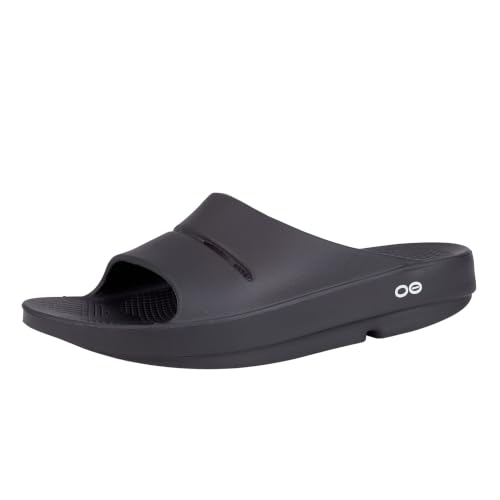
OOFOS OOahh Slide
- OOfoam slide
- APMA Seal of Acceptance
- Machine washable
$59.95 at Amazon, as of Nov 17, 2026 01:07 UTC
Check price on Amazon
TriggerPoint GRID 1.0 Foam Roller
- 13 in multi-density
- Hollow core
- Foam rolling for comfort

Nalgene Sustain 32 oz
- 32 oz, wide mouth
- BPA-free
- Easy to carry to the line
Related sports and disciplines
Parent hub: all sports. Close relatives: Para shooting, biathlon (rifle shooting on skis), modern pentathlon (laser shooting), archery and hunting.
Shooting FAQs
How do I start Olympic-style shooting?
Find a certified club or range, tell them you are new, and ask for a coach and club equipment. USA Shooting lists certified clubs and training centres and sanctioned events. Many beginners start with air rifle or air pistol, which are quiet and run indoors.
How many shooting events are at the Olympics?
The LA28 programme has 15 medal events: six men’s, six women’s and three mixed team events, according to the ISSF. Check the official programme for the current Games before travelling or planning.
Is shooting safe?
Competitive shooting has low injury rates in Olympic-level data (2.3% in summer events and 6.9% in winter in one systematic review), but it depends on strict safety rules, a qualified instructor and always protecting your hearing and eyes.
Do shooters need hearing protection?
Yes. Peak firearm noise is reported at roughly 140 to 175 dB, and one study found all youth firearm setups exceeded the WHO child peak limit of 120 dB. Wear hearing protection made for shooting every time.
Can people with disabilities compete?
Yes. Para shooting is a Paralympic sport with its own classes, and shooting Para sport is moving to the ISSF. See our Para shooting page.
What is the difference between rifle, pistol and shotgun events?
Rifle and pistol events are shot at paper targets at set distances, such as 10 m, 25 m or 50 m. Shotgun events (trap and skeet) use clay targets thrown into the air.
Keep exploring the sports hub, the recovery tools guide, the archery injuries page and our foam roller guide.
Sources
- ISSF, history: issf-sports.org/theissf/history.ashx
- ISSF, LA28 programme (April 2025): issf-sports.org/news/4610
- ISSF, LA28 qualification system: issf-sports.org/news/5191
- Asian Shooting Confederation, LA28 qualification confirmed (July 2026): asia-shooting.org
- Shooting Sports USA, LA28 venues: ssusa.org
- USA Shooting: usashooting.org and about
- NSSF, rules of firearm safety: nssf.org
- Prevalence and Incidence of Injury during Olympic-style Shooting Events (2021): PubMed 34631244
- Prevention of Noise-Induced Hearing Loss from Recreational Firearms (2017): PubMed 29026261
- Auditory risk estimates for youth target shooting (2014): PubMed 24564688
- Unstable trunk core strength training in elite 10 m air pistol athletes (2026): PubMed 42533021
- CDC, hearing loss: cdc.gov; CDC NIOSH, lead: cdc.gov/niosh/lead; CDC HEADS UP: cdc.gov/heads-up