This article contains affiliate links: if you buy through them we may earn a commission, at no extra cost to you. Read our affiliate disclosure.
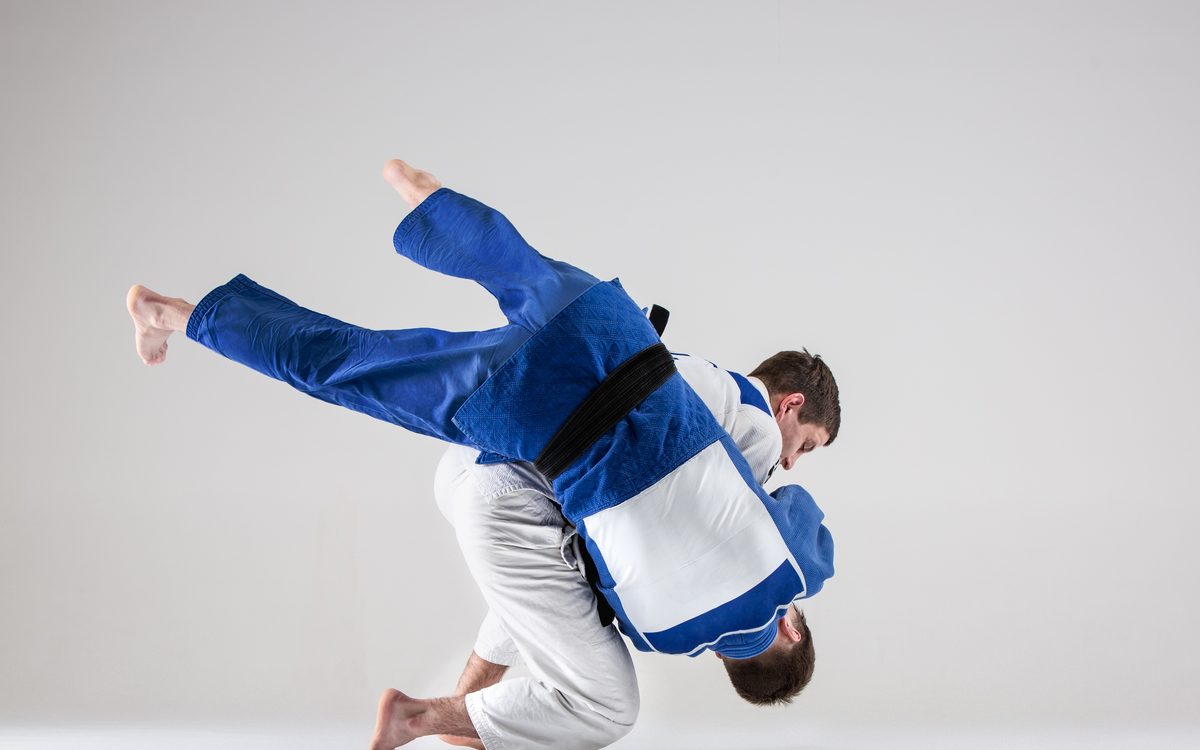
The mat goes quiet for a half second. Two athletes in white and blue have a grip on each other’s sleeves, one steps in, turns her hips under her opponent, and a 70-kilogram body sails through the air and lands flat on its back with a crack you can hear in the cheap seats. The referee’s arm shoots straight up: ippon, the contest is over. That is judo, the “gentle way,” also called judo or Kodokan judo, a grappling sport where throws, pins and chokes decide the winner, and where learning to fall safely comes before learning to throw.
Judo guides: what do you need?
New to judo? Start with the first card. Everything here is general education, not medical advice.
History & Origins of Judo
Judo was created in Japan by Jigoro Kano, who in May 1882 began teaching the art he named Kodokan Judo, drawing on older self-defence forms he had studied (International Judo Federation). It was built as a training method as much as a fighting art, with rules that let students practise throws and holds at full effort. The International Judo Federation (IJF) was formed in 1951, and the first World Championships were held in Tokyo in 1956, at first without weight categories. Judo then joined the Olympic programme at Tokyo 1964 with four categories, and women’s judo was a demonstration sport at Seoul 1988 before both men and women became full Olympic competitors at Barcelona 1992 (IJF history page). The Olympic debut also had a surprise: the Netherlands’ Anton Geesink won the open category, beating Japan’s Akio Kaminaga (Olympics.com). We cover only documented milestones here; older Japanese jujutsu schools shaped Kano’s work, but we do not rank origin stories we cannot source.
- May 1882: Jigoro Kano names and begins teaching Kodokan Judo in Tokyo.
- 1951: The International Judo Federation is formed.
- 1956: First World Championships, in Tokyo, without weight categories.
- 1964: Judo debuts at the Tokyo Olympics (-68 kg, -80 kg, +80 kg and Open); Anton Geesink of the Netherlands wins the Open.
- 1980: First women’s World Championships, in New York.
- 1988: Women’s judo is a demonstration sport at the Seoul Olympics.
- 1992: Women’s judo becomes a full Olympic sport at Barcelona.
Legends of the Sport
Athletes from different eras, in rough chronological order, not ranked. Founder Jigoro Kano is covered in the history above.
- Anton Geesink (NED): won the open category at Tokyo 1964, the first Olympic judo tournament, ahead of Japan’s Akio Kaminaga (Olympics.com).
- Yasuhiro Yamashita (JPN): Olympic champion at Los Angeles 1984, four-time world champion and holder of a reported 203-match winning streak (IJF).
- Ryoko Tani (JPN): medalled at five straight Olympics, with golds at Sydney 2000 and Athens 2004, and won seven world titles (IJF).
- Kayla Harrison (USA): two-time Olympic judo champion (IJF Olympic champions list).
- Teddy Riner (FRA): seven Olympic medals including five golds, and the most decorated Olympic judoka (Olympics.com).
- Lasha Bekauri (GEO): won a second straight Olympic title at -90 kg in Paris 2024 (Olympics.com).
- Daria Bilodid (UKR): became the youngest world judo champion in history at 17 in 2018 (IJF).
- Uta Abe (JPN): six-time world champion at -52 kg after Baku 2026 (IJF).
- Hifumi Abe (JPN): Olympic champion at -66 kg at Paris 2024 and world champion again at Baku 2026 (Olympics.com, IJF).
- Tato Grigalashvili (GEO): four-time world champion at -81 kg, with six consecutive world finals (IJF).
Official results and records
We only list champions and records here after checking them on the official source. For the latest results, go to:
- Olympics.com Paris 2024 judo results
- IJF Paris 2024 wrap
- Olympics.com 2025 World Championships coverage
- IJF Baku 2026 individual results
- Baku 2026: Fourteen World Champions
- Olympics.com on Riner
- IJF Hall of Fame: Tani
- IJF Hall of Fame: Yamashita
How we keep this current: we re-check facts after each major championship and update this page. Spot an error? See our editorial policy.
This page is for anyone curious about judo: a parent signing a child up, an adult looking for a first martial art, or a fan who wants to follow the Olympic matches. We cover how a match works, who competes at every level, what judo asks of the body, the injuries to know about, and the gear worth buying. It is general information, not medical advice.
Judo at a glance
| What it is | A grappling sport and martial art built on throwing, pinning, chokes and armlocks, practiced in a white or blue judogi (jacket, trousers and belt). |
|---|---|
| How you win | Ippon ends a contest at once: a clean, forceful throw onto the back, a 20-second hold-down, or a submission by choke or armlock. Lesser scores (waza-ari, yuko) can win on points when time runs out. |
| Contest length | Four minutes of real contest time for seniors, juniors (under 21) and cadets (under 18). A tie goes to “golden score,” extra time with no limit until someone scores or is penalized. |
| Participants and levels | Children’s clubs, school and college programs, adult recreational clubs, national championships, and the Olympic and Paralympic Games. Divisions are by sex, age and weight. |
| Where it is played | A dojo (club) with a tatami mat. Competition happens on a mat area with a marked contest zone. |
| Governing bodies | The International Judo Federation (IJF) worldwide; USA Judo in the United States, which says it has more than 500 clubs nationwide; the International Blind Sports Federation (IBSA) for Paralympic judo. |
| Season | Year-round. USA Judo lists its 2027 Youth Nationals for March 20 to 21 in Salt Lake City and its 2027 Senior Nationals for May 15 to 16 in Irving, Texas. |
How judo works
Judo was created by Jigoro Kano in Tokyo, who opened his first school, the Kodokan, in 1882. Today, a match begins standing. Each athlete takes a grip on the other’s jacket and tries to throw them. A throw that lands the opponent largely on their back with force, speed and control scores ippon. If a throw doesn’t fully score, or the athletes go to the ground, the action continues in ne-waza (ground work), where the goal is a pin, a choke (shime-waza) or an armlock (kansetsu-waza).
Under the IJF rules as published by British Judo in February 2025, a hold-down scores by time: 20 seconds is ippon, 10 to 19 seconds is waza-ari, and 5 to 9 seconds is yuko. Yuko was removed in 2017 and reinstated in 2025, according to the IJF announcements covered by Olympics.com. Armlocks are allowed only on the elbow. Penalties are called shido, and the rules allow accumulated penalties, or a dangerous act, to end a contest by hansoku-make (disqualification). If the score is tied or empty when four minutes are up, golden score starts with no rest and no time limit. Any existing scores and penalties carry over, and only a technical score or a penalty decides it.
Some details a beginner will notice: you bow before stepping on and off the mat; belt colors show rank (kyu for the colored belts, dan for black belts); and in the rules, grabbing the opponent’s legs and diving head-first are penalized, because they put the neck at risk.
Who plays judo and at what level
Kids and youth
Many children start in a club class, learning falls, balance and basic throws before anything competitive. The American Academy of Pediatrics notes that children’s judo injuries often happen when they are thrown, that youth judoka have more shoulder, upper arm and neck injuries, and that chokes can cause loss of consciousness. It recommends qualified instructors who understand a child’s limits for age and maturity. USA Judo organizes Youth Nationals, and cadet (under 18) and junior (under 21) competition leads to world championships. In cadet contests, the rules bar using the head to throw or defend.
Club, school and college
Adult club judo is the heart of the sport: evening classes, randori (free practice), and local tournaments, and adults can start at any age. Some schools and colleges run judo clubs, and USA Judo lists a Judo in Schools program on its site. Find a sanctioned club through the USA Judo club locator.
Elite and Olympic
Judo first appeared at the Olympics at Tokyo 1964 with men only. Women’s judo was a demonstration at Seoul 1988 and became a medal event at Barcelona 1992, and the mixed team event was added at Tokyo 2020, according to Olympics.com. The LA28 organizers list judo on the 2028 program with 15 events: seven men’s weight classes, seven women’s, and a mixed team event, at the Los Angeles Convention Center. Check the official LA28 site for dates and any changes.
Paralympic judo
Paralympic judo is for athletes with a vision impairment, who compete in two sport classes, J1 and J2, and within their sex and weight category. The rules are those of Olympic judo with one change: athletes must have hold of each other’s judogi before and during the match. Paralympic.org notes it was a demonstration at Arnhem 1980, contested first at Seoul 1988, with women added in 2004. Para judo is on the initial program for the LA28 Paralympic Games.
Physical demands of judo
Judo is a sport of short, intense bursts: gripping, pulling, throwing and wrestling on the ground, repeated across a four-minute contest that can stretch much longer in golden score. Athletes lean on grip strength, a strong back and hips, the ability to explosively change direction, and a surprising amount of endurance, since a tournament can mean several contests in a day with a minimum 10-minute rest between them in the rules. Flexibility in the hips and shoulders helps with throws and escapes. Weight classes mean many competitors manage body weight, which is a nutrition risk covered below.
Health and safety in judo
Judo is physical, and being thrown is built in. This section is general information, not medical advice; if you are hurt, see a sports medicine doctor, physical therapist or athletic trainer.
What gets injured
A study of judo injuries over 21 seasons in France (Orthopaedic Journal of Sports Medicine, 2019) found 3,511 injuries among 316,203 judoka, about 1.1%. Sprains made up 54.3%, fractures 15.6% and dislocations 12.5%. A 2026 systematic review found the shoulder girdle ranked first or second among injured body parts in 9 of 11 studies, mostly acromioclavicular joint injuries and shoulder instability, and noted the certainty of the evidence was very low. In IOC surveillance across three Olympic Games (Beijing 2008, London 2012, Rio 2016), judo’s competition injury rate was 9.6 per 1,000 minutes of exposure, higher than wrestling at 4.8, and about 35.9% of judo injuries meant more than seven days away from competition or training.
Falls, head injuries and chokes
Learning ukemi (breakfalls) comes first for a reason. A review of breakfall mechanics found that well-executed falls keep forces below injury thresholds, while novice and fatigued athletes are more at risk. A Japanese study of catastrophic judo injuries (2003 to 2010) found most of the serious head injuries happened to people under 20 who were thrown, which is one reason beginners start with falling drills and soft throwing. Judo chokes can cause brief loss of consciousness. The habit is the same everywhere: tap early, and let go at once when a partner taps. For children, choose a club that follows age rules on chokes and armlocks.
For any head impact, use the CDC HEADS UP approach: recognize the signs (headache, dizziness, confusion, balance problems), remove the person from practice, and have a healthcare provider decide when to return. Call 911 for danger signs such as repeated vomiting, a seizure, worsening headache, one pupil larger than the other, or loss of consciousness.
Skin, mats and weight cutting
Skin infections such as ringworm and staph spread on mats and gear. The NATA position statement on skin diseases advises showering after every practice, not sharing towels, soap or gear, laundering practice clothing after use, disinfecting mats on a schedule with an EPA-registered product, and being cleared by a clinician before returning if you have a lesion. Rapid weight cutting before weigh-ins is risky, especially for teens; the American Academy of Pediatrics advises healthy weight-control practices for young athletes, and a sports dietitian or doctor is the right person to ask.
Training, recovery and nutrition pointers
Judo class usually starts with warm-up and breakfalls, then technique drills (uchikomi, repeated entries without the throw), then randori. Many judoka add strength work for the back, hips and grip, and mobility work for shoulders and hips. Training more than three hours a week at a young age has been linked to higher injury risk in the AAP’s martial arts report, so more is not always better for kids. See the broader martial arts training page, the recovery page and nutrition and supplements page. For sleep, the CDC recommends 9 to 12 hours for ages 6 to 12, 8 to 10 for teens and at least 7 for adults. Many judoka use foam rollers or a massage gun after hard sessions; those tools are for comfort, not treatment.
Judo gear
The one essential is the judogi. Competition rules check how the gi fits, but a clean single-weave gi is fine for a first class; many clubs lend one. A belt is included with most beginner gi. Keep fingernails and toenails short, tie your hair back, and wash the gi after every class. Wear slides or sandals off the mat, not bare feet in changing rooms. Ask your club whether it requires or suggests a mouthguard.

FUJI Single Weave Judo Gi with Belt
- Single weave, cotton blend
- White belt included
- Kids and adult sizes
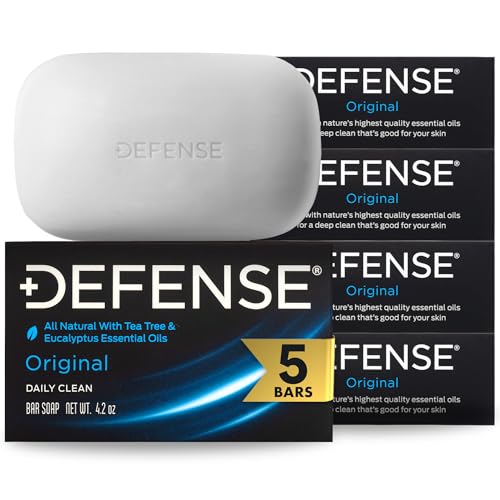
Defense Soap Tea Tree Bar (5-pack)
- Tea tree and eucalyptus oils
- No SLS or added fragrance
- Five bars
$30.99 at Amazon, as of Nov 17, 2026 01:07 UTC
Check price on Amazon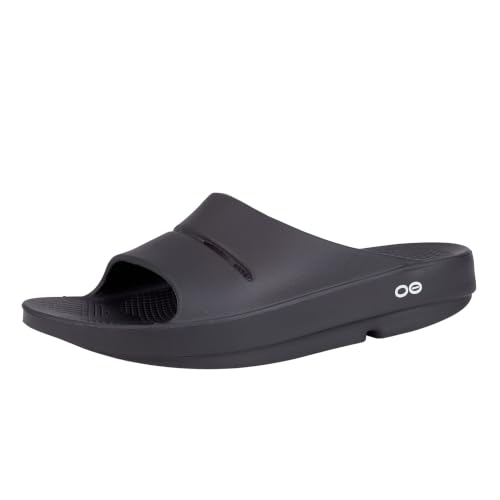
OOFOS OOahh Slide
- OOfoam slide
- APMA Seal of Acceptance
- Machine washable
$59.95 at Amazon, as of Nov 17, 2026 01:07 UTC
Check price on AmazonRelated sports and disciplines
Judo sits within martial arts, alongside taekwondo, karate and Brazilian jiu-jitsu. It shares throws and mat work with wrestling, and many judoka cross-train in MMA. See the martial arts rules and leagues and associations pages for how the bodies fit together.
Judo FAQs
Is judo safe for kids?
Judo has real injury risk, mostly sprains, fractures and shoulder injuries from being thrown, but a good children’s program teaches falling first and limits hard throwing and chokes. The AAP encourages qualified instructors and age-appropriate contact. Ask the club about its safety rules, and visit a class first.
How is judo different from Brazilian jiu-jitsu?
Judo emphasizes throws, with matches won by a big throw or a pin; BJJ focuses on the ground, with points for position and many submissions. Judo competitors wear the judogi under IJF rules, and BJJ uses its own rules from the IBJJF. See our BJJ page.
How long does it take to earn a black belt?
It varies by country, federation and club, and rank often depends on experience, age, competition points and the instructor’s judgment. Ask your club for its grading rules rather than trusting a universal number.
Is judo an Olympic sport?
Yes. It has been on the Olympic program since Tokyo 1964 for men and Barcelona 1992 for women, and LA28 lists it with 15 events. Para judo is also on the Paralympic program for LA28.
What should I wear to my first class?
Many clubs lend a gi or let beginners wear a plain t-shirt and sweatpants for the first visit. Remove jewelry, keep nails trimmed, and bring water and sandals for off the mat.
Sources
- LA28: Judo
- British Judo: Contest Rules based on IJF rules (22 Feb 2025)
- Paralympic.org: Judo and LA28 Paralympic sport programme
- USA Judo
- American Academy of Pediatrics: Youth Participation and Injury Risk in Martial Arts
- Lystad et al., injuries in Olympic combat sports (PubMed 33219113)
- Judo injuries over 21 seasons in France (PubMed 31211149)
- Breakfall biomechanics review (PubMed 35409940) and catastrophic judo injuries in Japan (PubMed 23765041)
- CDC HEADS UP: signs and symptoms
- NATA position statement: skin diseases
- Olympics.com: IJF rule updates for the LA28 cycle
Keep exploring: the martial arts hub, martial arts injuries, martial arts gear, our recovery tools guide and recovery shoes guide, and every sport on our sports hub.