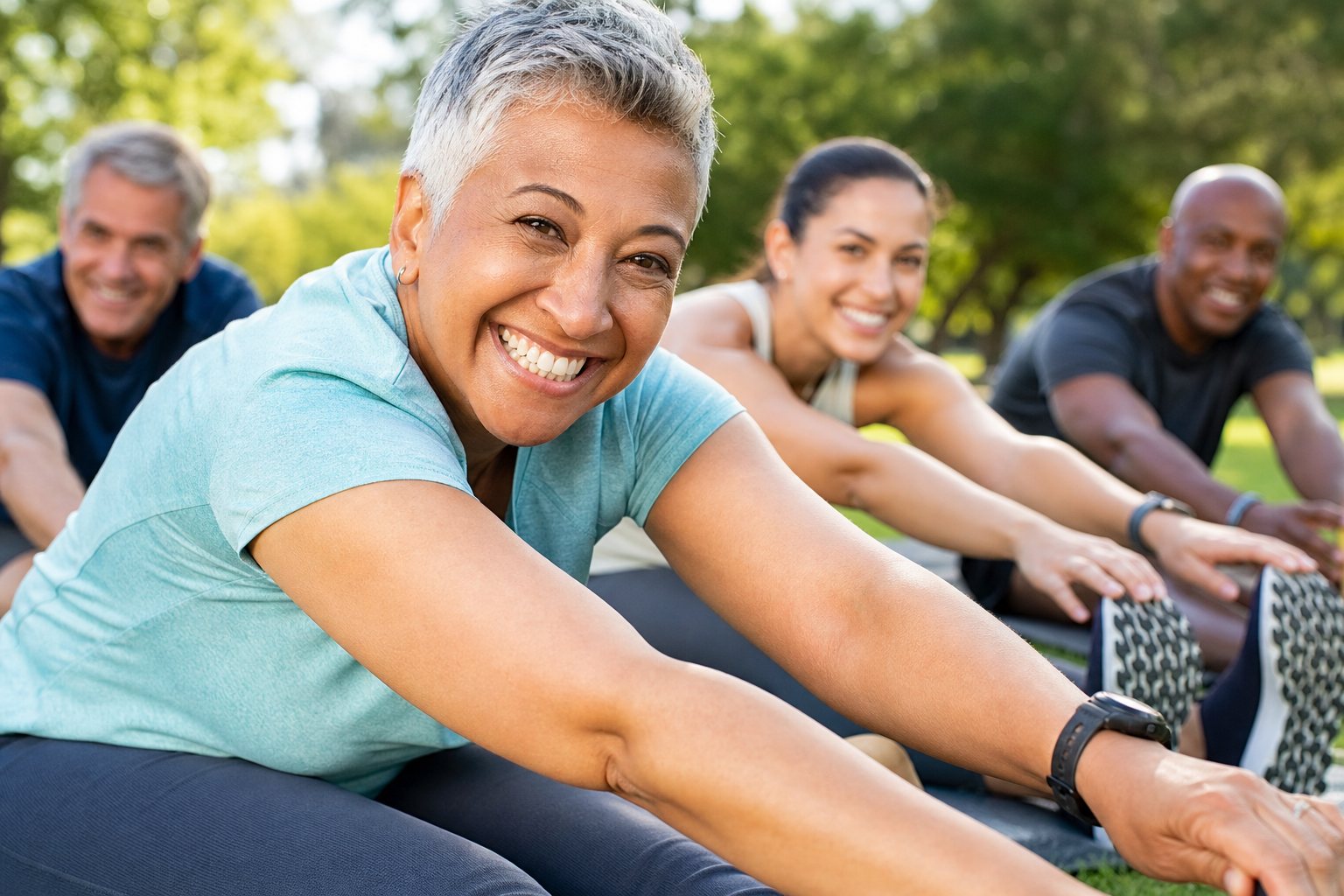
Not every activity is a competitive sport, and it does not need to be. People walk, dance, climb, paddle and lift for plain enjoyment, for fitness, for time outdoors and for the company they keep while doing it. This page is for anyone who wants to move more, find something they actually like, and keep doing it. Some activities here also have an organized competitive side, and we point that out where it is true, but competing is always optional.
Everything here is general education. If you are unsure whether an activity suits you, ask a doctor, physical therapist or athletic trainer before you start.
Why people move: enjoyment, fitness and connection
The best activity is usually the one you will still want to do next month. For some people that is a fitness reason, such as stronger legs or better stamina. For others it is a trail with a view, a weekly class with friends, or the quiet of a lake at sunrise. Public health bodies agree that some movement is better than none. The World Health Organization and the US Centers for Disease Control and Prevention both describe a general adult target of about 150 minutes of moderate activity a week, and the CDC adds muscle-strengthening work on at least two days a week. Those are general population guidelines, not a personal prescription, and any amount you can add safely counts.
Social connection is a quiet reason many people stick with an activity. A running group, a pickleball court, a climbing gym or a community dance night gives you people to show up for, and that often matters more for consistency than any training plan.
Activities and sports for fitness and recreation
The directory below lists every guide we have in this category. You will see three kinds of entries. Some are sports with organized competition. Some are single disciplines inside a larger sport. Others are simply activities, such as hiking or yoga, that people enjoy without any competition at all. We label each one as it really is rather than forcing everything into the same box.
 Badminton
 at every level, from school gyms to the Olympics: how the game works, the 2027 scoring change, badminton injuries, eye safety, training and…
 Bodybuilding
 and physique sports: divisions, judging, natural vs untested federations, the Olympia, and bodybuilding health: steroids, diuretics.
 Bowling
Ten-pin bowling at every level, from youth leagues to the PBA and NCAA: how the game works, bowling injuries and prevention, training, recovery and g…
 Canoeing
 at every level: kinds of canoes, tandem paddling, tripping, sprint, slalom and marathon racing, the Olympics, canoe safety, injuries and gea…
 Cheerleading
 at every level: school, all-star and STUNT, the most common cheerleading injuries, spotting and safe surfaces, concussion, training, rec…
 Climbing
 at every level, gym bouldering to lead, trad and the Olympics: how it works, climbing injuries, belay safety, concussion, training and recov…
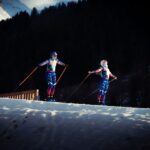 Cross-Country Skiing discipline
Cross-country (Nordic) skiing at every level: classic and skate, race formats, youth to Olympics, injuries, skier's asthma, cold, training and gear.
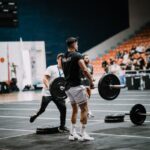 CrossFit
 at every level, from kids to the Games, plus HYROX: how it works, CrossFit injuries and rhabdo, heat, training, recovery and gear worth buyi…
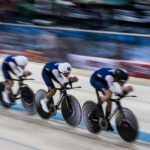 Cycling
 at every level, road, mountain, gravel, track and BMX: how it works, cycling injuries, helmets, concussion, road safety, training and recover…
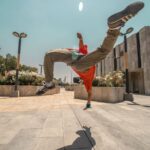 Dance
Dance for dancers as athletes: ballet to breaking, youth to pro and Olympics, the most common dance injuries, pointe readiness, concussion and recove…
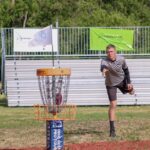 Disc Golf
Disc golf for beginners and beyond: how it works, juniors to the pro tour, common elbow and shoulder injuries, heat and ticks, training, recovery, ge…
 Fishing
Sport fishing at every level: bass, fly, saltwater and ice fishing, kids to pro tours, licenses, life jackets, lightning, hook injuries, sun and gear.
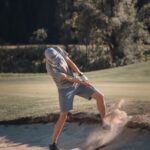 Golf
Golf at every level, from First Tee to the PGA TOUR, LPGA and Olympics: how the game works, golf injuries, warm-up, sun, lightning, training and reco…
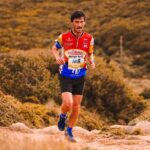 Hiking
 from day hikes to backpacking and peak-bagging: the Ten Essentials, trail rules, hiking injuries, heat, altitude, training, recovery and gear.
 Hunting
 at every level: licenses and hunter education, tree stand and firearm safety, blaze orange, heart strain, cold, fitness, recovery and gear.
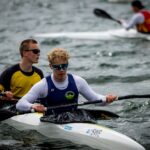 Kayaking
 at every level: kinds of kayaks, river classes, sprint, slalom and kayak cross, kayaking safety, life jackets, cold water, training and gear.
 Mountain Biking discipline
Mountain biking at every level, XC to downhill: how it works, NICA to the Olympics, mountain bike injuries, helmets, concussion, training and recover…
 Paddleboarding
Stand-up paddleboarding at every level: how SUP works, paddle board safety (life jackets, leashes, wind), common injuries, training, recovery and gea…
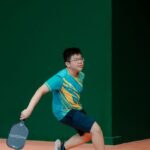 Pickleball
 for every age, from juniors to seniors and the pro tours: how the game works, the kitchen, common pickleball injuries, eye safety and reco…
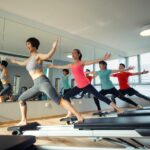 Pilates
 for athletes at every level: mat vs reformer, what research says about core, flexibility and back pain, safe practice, training, recovery and…
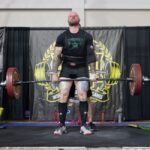 Powerlifting
 at every level: squat, bench and deadlift rules, Classic vs Equipped, federations, youth to World Games, injuries, training and gear.
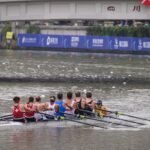 Rowing
 at every level, from learn-to-row to the Olympics and masters: sweep and sculling, rowing injuries, water safety, indoor rowing, training, rec…
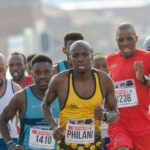 Running
 at every level, road, trail, cross country and ultra: how it works, running injuries, heat and heart safety, training, recovery and gear.
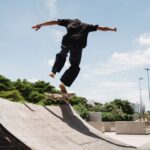 Skateboarding
 at every level, street, park and vert: how it is judged, skateboarding injuries, helmets and pads, concussion, training and recovery.
 Skiing umbrella guide
Skiing at every level, from ski school to the World Cup: alpine racing, freestyle, skiing injuries, helmets, concussion, training, recovery and gear.
 Snowboarding
 at every level: how it works, youth to Olympics, snowboarding injuries, wrist guards, helmets, concussion, cold and sun, training, recov…
 Surfing
 at every level, from surf camp to the Olympics: how it works, the most common surfing injuries, rip currents, sun, training, recovery and gea…
 Swimming
 at every level, from first lessons to the Olympics and Masters: how racing works, swimming injuries, swimmer's shoulder, water safety, recov…
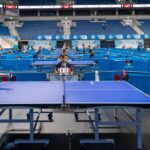 Table Tennis
Table tennis (ping pong) at every level: how the game works, juniors to the Olympics, common injuries and prevention, training, recovery and gear.
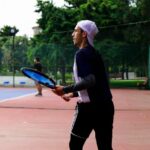 Tennis
 at every level, from red ball to the Grand Slams: how the game works, tennis injuries, tennis elbow, heat, training, recovery and the gear you…
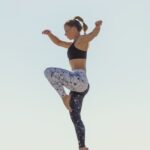 Yoga
Yoga for athletes at every level: styles, mobility, balance and breathing, what research shows, yoga injuries and how to avoid them, recovery and gea…
33 guides in this list.
Want a wider view? Browse the full A to Z of sports and activities, or look at other groupings such as Summer Olympic sports and Winter Olympic sports.
Strength-focused activities
Strength activities ask your muscles to work against resistance. In this category that includes powerlifting, bodybuilding and CrossFit, and also climbing, which builds pulling strength and grip using your own body weight. Powerlifting and bodybuilding both have organized competitions, while many people simply train in those styles at a gym for general strength. Good technique and sensible progress matter more than the amount of weight, so start light and learn the movements first.
Endurance-focused activities
Endurance activities train your heart, lungs and muscles to keep going for longer. Running, trail running, cycling, swimming, open-water swimming, rowing and cross-country skiing all belong here. You can do them at an easy, chatty pace for enjoyment or build toward organized events if that appeals to you. Increase time and effort gradually, since doing too much too soon is a common cause of overuse problems. Our injuries and joint health section explains common ones.
Mobility and movement practices
Some practices focus less on speed or weight and more on control, flexibility, balance and body awareness. Yoga and Pilates are the main examples in our library. They are popular as a stand-alone routine and as a complement to other activities. Classes come in many styles and intensities, so look for one described as suitable for your level and tell the instructor about any injuries before you begin.
Dance
Dance combines cardio, coordination, rhythm and social fun, and it covers a huge range, from relaxed social dancing to trained performance and organized competition. It is a good example of an activity that is both a way to move and, for some people, a serious pursuit. Cheerleading sits nearby, mixing tumbling, stunts and dance with team spirit.
Outdoor recreation
Being outdoors is a draw in itself. Hiking, mountain biking, kayaking, canoeing, paddleboarding, surfing, skiing, snowboarding, fishing and hunting all take place in natural settings, so weather, terrain, water conditions and local rules matter. Check forecasts, tell someone your plan, carry what you need and learn the local regulations. Our safety and injury prevention section has more on staying safe.
Racquet, target and social games
Games like tennis, pickleball, badminton, table tennis, golf, disc golf and bowling are easy to play casually with friends and family, and each also has a competitive side. They suit many ages and fitness levels, and you can usually adjust the pace to match the people you are playing with. Skateboarding is another that many people do purely for fun.
Home, gym and community options
You can be active almost anywhere. Each setting has trade-offs, as the table shows.
| Setting | Good for | Things to consider |
|---|---|---|
| At home | Flexible timing, privacy, bodyweight work, yoga, Pilates, walking from your door | Needs self-motivation and a little space; harder to get feedback on technique |
| Gym or studio | Varied equipment, classes, coaching, a place with a routine | Travel time, opening hours and a possible membership |
| Community or park | Running routes, courts, trails, pools, local clubs and group sessions | Weather, shared facilities, and rules that differ by place |
Independent or instructor-led?
Both work. Going on your own gives you freedom over time and pace. An instructor, coach or class gives you feedback, structure and a safer way to learn unfamiliar movements, which is especially helpful for lifting, climbing, water sports and anything with a learning curve. Many people mix the two: a few guided sessions to learn the basics, then regular practice alone or with friends.
Beginner entry points
If you are new, choose something with a low barrier to entry. Walking, easy hiking, a beginner yoga class, an introductory swim session or casual pickleball are common starting points. Look for words such as “intro”, “beginner” or “all levels”, and try a first session before you commit. Start with an effort that feels comfortable, and build slowly.
Equipment, space and budget
Needs vary widely. Walking and bodyweight exercise need very little. Cycling, paddling, climbing and snow sports need more gear and often a specific place. Before buying, consider renting, borrowing, or joining a club or gym that supplies equipment. Footwear, a well-fitted helmet where one applies, and sun and weather protection are usually worth thinking about first. Our gear reviews and comparisons section can help you compare options.
Flexible schedules and building consistency
You do not need a perfect routine. Short sessions spread through the week count, and the CDC notes that activity can be spread out rather than done all at once. A few ideas that help:
- Pick set days and times, then treat them like appointments.
- Keep a quick fallback, such as a 10-minute walk, for busy days.
- Tie the activity to something you enjoy, like music or a friend.
- Rotate between two or three activities to avoid boredom and spread the load on your body.
- Rest days are part of the plan; see recovery and rehabilitation.
Learning technique
Good technique makes an activity more enjoyable and often safer. Learn from a qualified instructor or coach where one is available, watch reputable beginner material, and practice the basics slowly before adding speed, load or difficulty. Our training and performance section covers how training works, and nutrition and athlete wellness covers everyday fuel and hydration.
Adjusting to your experience and access needs
Most recreational activities can be scaled. You can shorten the distance, lower the load, choose a gentler route, use a different style of class, or play with modified rules. People with a disability or long-term health condition can take part in many recreational activities with adaptations; what is suitable depends on the person, so ask a doctor, physical therapist or athletic trainer, and ask the venue about accessibility. Classification, where it exists, applies to organized adaptive competition rather than to everyday recreation. See our adaptive and Paralympic sports page for that side.
Exploring related activities
Once you enjoy one thing, a neighbour is often easy to try. Runners sometimes move to trail running; swimmers to open water; paddlers to a different boat type; cyclists to mountain biking. Cross-training with something different, such as Pilates or strength work, can keep you fresh.
Optional competition
Some activities here have organized competition, and some do not. Several sports in this category also appear on the Olympic programme. For example, our data marks climbing, surfing, skateboarding, cycling and swimming as on the Paris 2024 programme. Others, like running, are related to an Olympic sport (athletics) without being listed as a sport themselves. Always check olympics.com or the sport’s federation for the current programme. For competitive pathways, see professional and competitive sports. If you never enter a race or match, you are still fully taking part.
Frequently asked questions
Does an activity have to be a sport to count?
No. Walking, hiking, dance and yoga all count as movement even though they are not always competitive. Public health guidance talks about activity in general, not only sport.
How much activity should I aim for?
For adults, the WHO and CDC both describe about 150 minutes of moderate activity a week as a general target, with muscle-strengthening on at least two days (CDC). Your own needs can differ, so ask a doctor, physical therapist or athletic trainer, and start with whatever you can manage.
What is the easiest activity to start with?
Walking and beginner classes are common choices because they need little equipment and can be adjusted. The right one for you is the one you enjoy and can reach easily.
Should I join a gym or exercise at home?
Either can work. A gym offers equipment and coaching; home offers convenience. Try both if you can, and think about space, your schedule and how you like to stay motivated.
How do I stay consistent?
Choose something you enjoy, schedule it, keep a short backup option, and add a friend or group. Missing a day is normal; the aim is to return to it.
Is outdoor recreation riskier than a gym?
The risks are different, not necessarily bigger. Outdoors you deal with weather, terrain, water and remoteness, so preparation and local knowledge matter. Learn the basics from a qualified instructor where relevant.
Can I take part if I have a disability or health condition?
Many people do, often with adaptations. Ask a doctor, physical therapist or athletic trainer what suits you, and ask local clubs and venues about adaptive options.
Sources
- World Health Organization: Physical activity fact sheet
- US Centers for Disease Control and Prevention: Adult physical activity guidelines
For education only, not medical advice. See our editorial policy.