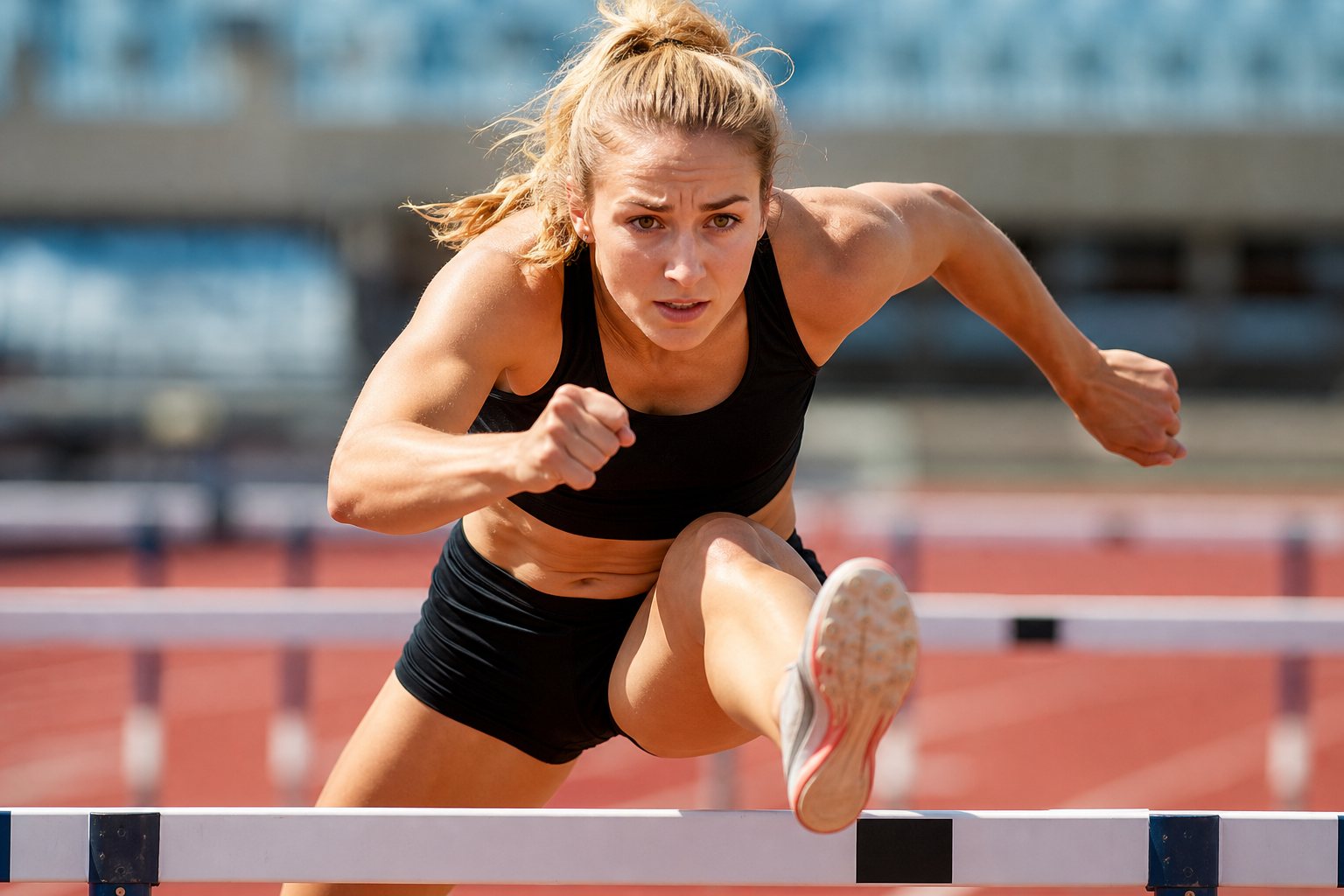
Summer Olympic sports cover an enormous range: team games like soccer and volleyball, water sports like swimming and sailing, precision sports like archery and fencing, and speed-and-power sports like track and field. This page is a friendly map. It helps you see which activities have an Olympic link, how they differ, and where to start if you want to try one yourself.
Almost none of these sports are only for elite athletes. Millions of people play them in schools, parks, clubs, community leagues and on their own. The Olympic connection is simply one way of grouping them, and each guide on AthleteRx explains the sport for beginners, regular participants and competitors alike.
Sport, discipline and event: what is the difference?
These three words are often mixed up, and the Olympic programme uses them carefully.
| Term | What it means | Example |
|---|---|---|
| Sport | The main activity, usually run by one international federation. | Gymnastics, cycling, rugby |
| Discipline | A distinct branch inside a sport, often with its own rules and equipment. | Rhythmic gymnastics, track cycling, rugby sevens |
| Event | A single medal competition within a sport or discipline. | A women’s 100 m freestyle final |
Why it matters: a discipline can be on the Olympic programme while its sibling is not. Rugby sevens appears under Paris 2024 in our guides, while rugby union and rugby league are listed as related activities. We never treat a related activity as Olympic just because its parent sport is.
The directory, in three groups
Paris 2024 is the most recent completed Summer Games, and Los Angeles 2028 (LA28) is next. The IOC has confirmed 36 sports for LA28, with five added in 2023: baseball/softball, cricket, flag football, lacrosse and squash. Programmes can change, so check olympics.com or the sport’s international federation for the current list. Our guides fall into three groups.
On the Paris 2024 programme
These sports or disciplines were part of the Paris 2024 Games. Many will continue, but this group describes Paris 2024 only.
 Aquatics umbrella guide
Aquatic sports explained: swimming, diving, artistic swimming, water polo, open water and high diving, LA28 status, water safety, injuries and gear.
 Archery
 for beginners and athletes: recurve, compound and barebow, rules, school to Olympic archery, shoulder health, range safety, training and gear.
 Badminton
 at every level, from school gyms to the Olympics: how the game works, the 2027 scoring change, badminton injuries, eye safety, training and…
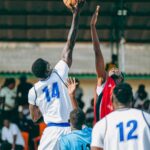 Basketball
 at every level, from youth to the NBA, WNBA and 3×3: how the game works, basketball injuries, ankle braces, concussion, training and recov…
 BMX discipline
BMX racing and freestyle at every level: how it works, classes and the Olympics, BMX injuries, full-face helmets, concussion, training and recovery.
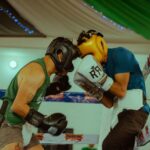 Boxing
 at every level: amateur, Olympic, pro and fitness boxing, how bouts are scored, boxing injuries, concussion, safety rules, training and recove…
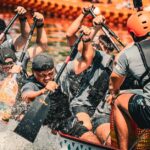 Canoeing
 at every level: kinds of canoes, tandem paddling, tripping, sprint, slalom and marathon racing, the Olympics, canoe safety, injuries and gea…
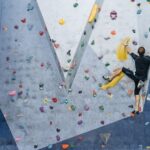 Climbing
 at every level, gym bouldering to lead, trad and the Olympics: how it works, climbing injuries, belay safety, concussion, training and recov…
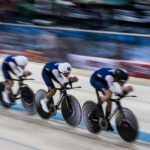 Cycling
 at every level, road, mountain, gravel, track and BMX: how it works, cycling injuries, helmets, concussion, road safety, training and recover…
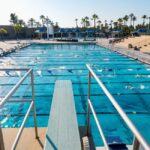 Diving
Springboard, platform and synchro diving at every level: how diving is scored, youth to Olympic and Masters, diving injuries, pool depth safety, reco…
 Fencing
 at every level: foil, épée and sabre, youth to Olympics and Paralympics, the most common fencing injuries, safety gear, training and recovery.
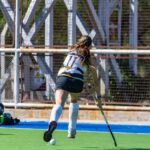 Field Hockey
Field hockey at every level, youth to LA28: how it works, field hockey injuries, goggles and mouthguards, concussion, low-back care, training, recove…
 Golf
Golf at every level, from First Tee to the PGA TOUR, LPGA and Olympics: how the game works, golf injuries, warm-up, sun, lightning, training and reco…
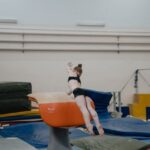 Gymnastics
 at every level: disciplines and scoring, youth to Olympic, common gymnastics injuries, training hours, SafeSport, training and recovery.
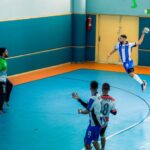 Handball
Team handball from mini-handball to the LA28 Olympics: how the game works, handball injuries and how to prevent them, concussion, training and recove…
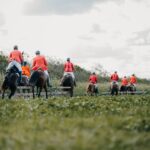 Horseback Riding
Horseback riding, English, Western and trail, at every level: how it works, horseback riding injuries, helmets, falls, kicks, rider fitness and gear.
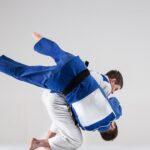 Judo
Judo for beginners and fans: how scoring works, kids to Olympics and Paralympics, injuries and breakfalls, training, recovery and the gear you need.
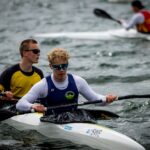 Kayaking
 at every level: kinds of kayaks, river classes, sprint, slalom and kayak cross, kayaking safety, life jackets, cold water, training and gear.
 Marathon discipline
The marathon explained: 26.2 miles, Boston qualifying, world records, training injuries, heat and heart safety, gear and Olympic status for LA28.
 Modern Pentathlon
Modern pentathlon explained: fencing, obstacle, swimming and laser run, how scoring works, LA28 status, what the body needs, safety, training and gea…
 Mountain Biking discipline
Mountain biking at every level, XC to downhill: how it works, NICA to the Olympics, mountain bike injuries, helmets, concussion, training and recover…
 Rowing
 at every level, from learn-to-row to the Olympics and masters: sweep and sculling, rowing injuries, water safety, indoor rowing, training, rec…
 Rugby Sevens discipline
Rugby sevens explained: seven-a-side rules, 14-minute matches, HSBC SVNS, Olympic history and LA28, injury data, concussion safety and gear.
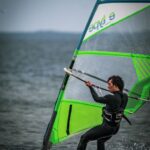 Sailing
 at every level, from learn-to-sail to the Olympics: how it works, sailing safety, boom strikes, cold water, life jackets, sun, training and g…
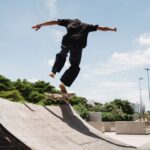 Skateboarding
 at every level, street, park and vert: how it is judged, skateboarding injuries, helmets and pads, concussion, training and recovery.
 Soccer (Football)
Soccer for athletes at every level: how the game works, youth to pro, soccer injuries and how to prevent them, concussion, heat, training, recovery.
 Sport Shooting
Olympic-style shooting explained: rifle, pistol and shotgun events, LA28 programme, levels, hearing and eye safety, injury data, training and comfort…
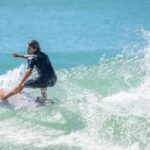 Surfing
 at every level, from surf camp to the Olympics: how it works, the most common surfing injuries, rip currents, sun, training, recovery and gea…
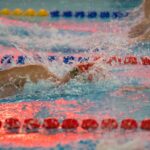 Swimming
 at every level, from first lessons to the Olympics and Masters: how racing works, swimming injuries, swimmer's shoulder, water safety, recov…
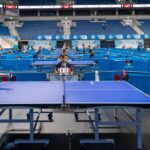 Table Tennis
Table tennis (ping pong) at every level: how the game works, juniors to the Olympics, common injuries and prevention, training, recovery and gear.
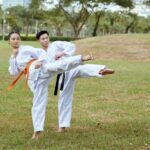 Taekwondo
 for beginners and fans: kyorugi scoring, poomsae, kids to Olympics and Paralympics, kick injuries and concussion, training and gear.
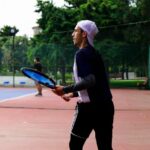 Tennis
 at every level, from red ball to the Grand Slams: how the game works, tennis injuries, tennis elbow, heat, training, recovery and the gear you…
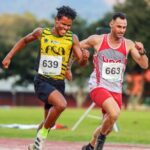 Track and Field
Track and field at every level: sprints, hurdles, jumps, throws and multis, how meets work, track and field injuries, safety, training, recovery and…
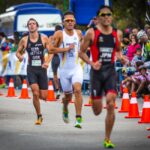 Triathlon
 from sprint to IRONMAN: distances, rules, every level, open water and heart safety, common injuries, triathlon training, recovery and gear.
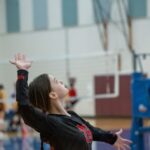 Volleyball
 indoors and on the beach, from youth to the Olympics: how the game works, volleyball injuries, ankle sprains, concussion, training and rec…
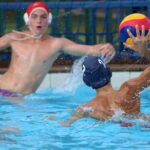 Water Polo
Water polo at every level, from Splashball to the Olympics: the game, water polo injuries, concussion, shoulder and ear care, training and recovery.
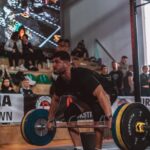 Weightlifting
Olympic weightlifting at every level: the snatch and clean & jerk, meets from local to the Olympics, common injuries, training, recovery and gear.
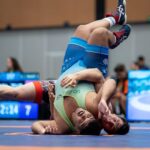 Wrestling
 at every level: folkstyle, freestyle and Greco-Roman, girls' wrestling, wrestling injuries, skin infections, safe weight management and rec…
55 guides in this list.
Added for LA28
These sports were added to the programme for the Los Angeles 2028 Games. Flag football and squash will be Olympic debuts; baseball/softball, cricket and lacrosse return after time away.
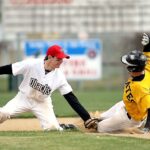 Baseball
 at every level, from tee ball to MLB and LA28: how the game works, baseball injuries, pitch counts, helmets, concussion, training and recove…
 Cricket
 at every level: Test, ODI and T20, youth to MLC and LA28, the most common cricket injuries, helmets and concussion, fast-bowler back care, ge…
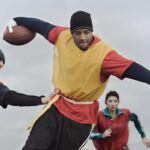 Flag Football
Flag football explained: 5-on-5 rules, youth to Olympic levels, how safe it is compared with tackle football, injuries, training and gear.
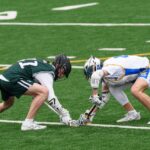 Lacrosse
 at every level, boys and girls, field, box and sixes for LA28: how the game works, lacrosse injuries, concussion, chest protectors and recov…
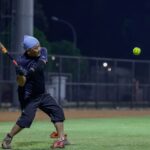 Softball
 at every level, from youth fastpitch to the WCWS, AUSL and LA28: how the game works, softball injuries, pitcher rest, face masks and recover…
 Squash
 at every level: PAR scoring, juniors to the PSA and LA28 Olympics, common squash injuries, eye protection, training, recovery and gear.
6 guides in this list.
Related activities that are not on the Olympic programme
These are close cousins of Olympic sports, such as trail running, gravel cycling or slow-pitch softball. They are popular and often easier to find locally, but they are not themselves on the Olympic programme.
 Cyclocross discipline
Cyclocross explained: timed laps, barriers and run-ups, how to enter a first race, why it is not Olympic, mud and crash safety, training and gear.
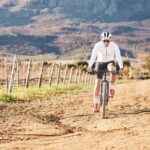 Gravel Cycling discipline
Gravel cycling explained: unpaved road racing, the UCI Gravel World Series, how to start, why it is not Olympic, safety, fueling and gear.
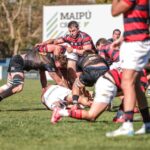 Rugby
Rugby union, sevens and league at every level: how the game works, rugby injuries, the new tackle height, concussion, Activate, training and recovery.
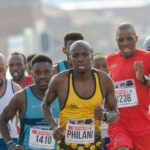 Running
 at every level, road, trail, cross country and ultra: how it works, running injuries, heat and heart safety, training, recovery and gear.
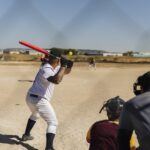 Slow-Pitch Softball discipline
Slow-pitch softball explained: the 6-12 ft arc, ten fielders, no bunting or stealing, leagues and national teams, safety research and gear.
9 guides in this list.
Getting started as a child, teenager or adult
Children usually do best with variety: trying several sports, playing for fun and building basic movement skills like running, jumping, throwing and balance. Teenagers often begin to specialise, which is a good moment to ask coaches about workload, rest days and how to avoid overuse problems. Adults can start almost anything, but it helps to begin gradually and pick a sport that matches current fitness and enjoyment.
Everyone’s body is different. If you have a health condition, an old injury or any doubt, ask a doctor, physical therapist or athletic trainer before starting. Beginner-friendly entry points include learn-to-swim programmes, couch-style running groups, community tennis, intro climbing sessions and youth soccer or volleyball leagues.
Comparing interests and physical demands
Sports ask different things of the body and mind. This simple comparison is a starting point, not a rule.
| If you enjoy… | Consider | Main demands |
|---|---|---|
| Steady, repeated effort | Running, swimming, rowing, cycling | Endurance, pacing, repetitive-motion care |
| Team play | Soccer, basketball, volleyball | Agility, communication, quick changes of direction |
| Racket or bat skills | Tennis, squash, cricket | Hand-eye coordination, reaction, shoulder and leg load |
| Body control and strength | Gymnastics, climbing | Flexibility, grip and core strength, technique |
| Water and wind | Sailing, surfing | Balance, weather awareness, water safety |
Beginner lessons and coaching
Technique-heavy sports such as swimming, gymnastics, climbing, sailing and fencing are safer and more enjoyable with a qualified instructor from the start. Look for coaches certified by the sport’s national governing body, ask about their experience with beginners, and check how they handle safety. Many clubs offer a trial session. Group lessons suit most newcomers; private coaching can help with a specific skill.
Facilities and geographic access
Access varies a lot by where you live. Running, cycling and soccer need little more than a path or field. Pools, climbing gyms, fencing halls and velodromes are fewer and more concentrated in larger towns. Sailing, rowing and surfing depend on nearby water and local conditions. Try your local parks department, school and university facilities, community centres and the sport’s national federation, which usually lists member clubs. Availability and opening times change, so check with each facility.
Equipment, rentals and recurring expenses
Costs differ widely between sports, so think about the types of expense rather than a single number. There is usually starting gear (shoes, a racket, a helmet), ongoing items that wear out (shoes, balls, strings, swimwear), and recurring charges such as club or facility membership, lessons, league and entry fees, and travel. Many clubs and shops rent or lend equipment, which is a sensible way to try a sport before buying. Protective gear should fit properly and meet the standards your sport requires. Our gear reviews and comparisons explain what to look for.
Recreational opportunities
You do not need to compete. Casual leagues, open swims, fun runs, pickup games, social tennis, family bike rides, beach volleyball and recreational climbing are all ways to enjoy these sports. Related activities, like trail running, gravel cycling and slow-pitch softball, often have especially relaxed, welcoming communities.
Club and competition pathways
A typical route runs from recreational play to a local club, then to regional or school and college events, and in some sports national and international competition. Each sport and country organises this differently: some use age groups, some use skill levels or ratings, and some use qualifying standards. The best place to learn the real steps is your sport’s national governing body and its international federation. Olympic selection is highly competitive and set by national bodies, so no guide can promise a result.
Training, safety, recovery and nutrition resources
Whichever sport you pick, these general hubs help you train sensibly and stay in the game:
- Training and performance: building fitness and skills step by step.
- Safety and injury prevention: warm-ups, protective habits, heat and concussion awareness.
- Injuries and joint health: common problems and when to get them checked.
- Recovery and rehabilitation: rest, sleep and returning after a setback.
- Nutrition and athlete wellness: eating and drinking for activity.
- Gear reviews and comparisons: choosing equipment.
Frequently asked questions
Is a sport on the Olympic programme forever?
No. Each Games has its own programme, and sports are added or dropped over time. Baseball/softball, cricket and lacrosse are examples that have returned. Always check olympics.com for the edition you care about.
If a sport is Olympic, are all its variants Olympic too?
No. Usually only specific disciplines and events are included. That is why we list some activities as related rather than Olympic.
Which Olympic sports are easiest to begin as an adult?
It depends on your health, interests and local options. Sports with adult beginner programmes, such as running, swimming, cycling, tennis and climbing, are often easy to find. A doctor, physical therapist or athletic trainer can advise on what suits you.
Do I need to buy equipment before the first lesson?
Usually not. Ask the club or instructor what is needed for the first session; many provide or rent the main items. Comfortable clothing and suitable footwear are typically enough to start.
How do I find a club near me?
Start with the national governing body of the sport, which often has a club finder. Local parks departments, schools and community centres are good second stops.
Can recreational players use the same training advice as Olympians?
The principles, like gradual progress, rest and good technique, are shared, but elite workloads are not a model for beginners. Use our training hub as a general guide and ask a coach for a plan that fits you.
Where are the other sport categories?
See the full sports hub and the related pages below, including the A to Z list.
Sources
For education only, not medical advice. See our editorial policy.